


Heatwave to reach +46°C: how to protect your body?
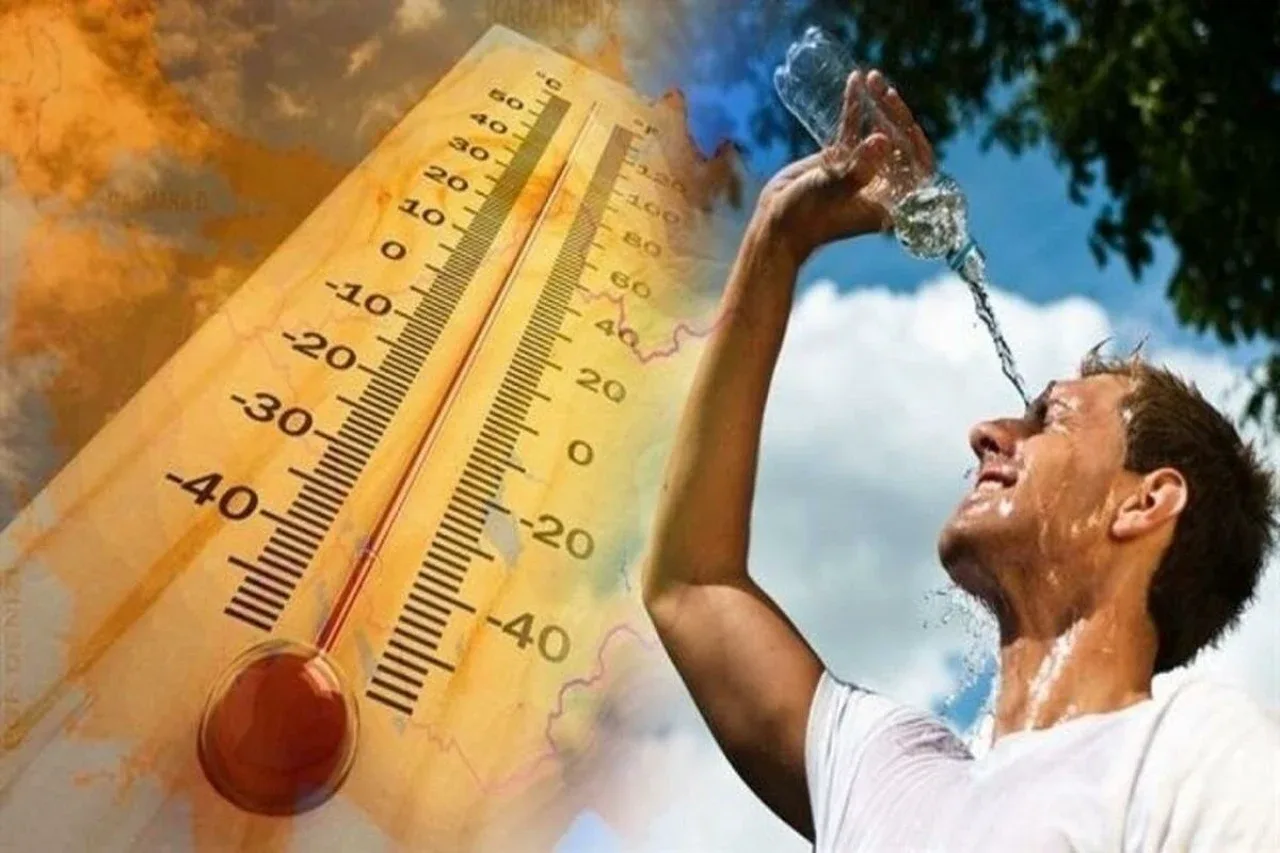
In Uzbekistan, the heatwave will persist throughout the week. In the coming days, temperatures are expected to rise to +41…+43°C, and up to +44…+46°C in the northern, southern, and desert regions. In such weather, the greatest danger is not just discomfort, but body overheating, dehydration, and heatstroke.
Who is at higher risk?
The Ministry of Health emphasized that during hot days, the population, especially those in high-risk groups, must strictly follow safety precautions.
According to experts, the following individuals are more vulnerable to the effects of the heat:
Risk group | Why should they be careful? |
|---|---|
Elderly people over 65 | thirst may be felt late and body temperature regulation can become difficult |
Infants and young children | the body is more sensitive to heat |
Pregnant women | additional strain may be placed on the cardiovascular system |
Those with chronic illnesses | the probability of disease exacerbation increases |
Those taking heart, blood pressure, or diuretic medications | water-salt balance may be disrupted |
According to the Ministry of Health's recommendation, it is necessary to regularly check on the condition of such individuals, as they may experience a delayed sensation of thirst or may not notice the effects of the heat.
Don't wait for thirst: drink water in advance
In extreme heat, the body loses large amounts of fluid and minerals through sweating. Therefore, you should not wait for the "I'm thirsty" signal — you need to drink water in small amounts frequently throughout the day.
For healthy adults, it is generally recommended to drink about 2–3 liters of fluid per day. However, patients with heart or kidney diseases or a tendency toward swelling should determine their fluid intake based on a doctor's recommendation.
The simplest rule here is: it is better to drink water "frequently and in small sips" rather than "a lot at once." The body processes intake slowly; it doesn't need a "3-liter patch" all at once.
Clothing is also a protective tool
Choosing clothing in the heat is not a trivial matter. Light, loose, breathable, and light-colored clothing helps protect the body from overheating.
Natural fabrics like cotton and linen help the body breathe and facilitate the evaporation of sweat.
When going outside, it is advisable to use a wide-brimmed hat, sunglasses, and sunscreen when necessary.
Do not strain your body with food
In extreme heat, heavy, fatty, fried, spicy, and hard-to-digest foods place an extra burden on the body.
Therefore, light meals are preferred:
• vegetable salads;
• light soups;
• kefir and ayran;
• cottage cheese;
• eggs;
• chicken or fish meat;
• fruits.
It is advisable to eat small portions 5–6 times a day. This helps the body avoid spending excess energy on digestion in the heat.
Be careful from 11:00 to 17:00
Experts recommend limiting time spent under direct sunlight between approximately 11:00 and 17:00.
It is better to postpone necessary tasks to the cool morning or evening hours. If you must go outside, walk in shaded areas, wear a hat, carry water with you, and drink small amounts every 15–20 minutes.
Heavy physical labor and sports training should also be limited during the hottest time of the day.
Leaving someone in a car is life-threatening
The Ministry of Health issues a special warning: children, the elderly, or animals should never be left alone inside a vehicle.
Inside a car parked in the sun, the temperature can rise to life-threatening levels in just a few minutes. This situation is extremely dangerous even in cases where you think "I'll just be in and out for five minutes."
A hot car interior is not a sauna without air conditioning; it is a real source of danger.
Call for emergency help for dangerous symptoms
If symptoms of heatstroke or severe dehydration appear, do not take the situation lightly.
Pay attention to the following signs:
Symptom | What to do? |
severe weakness | move to a cool place and drink water |
dizziness | lie down or sit, get out of the sun |
nausea | stop physical activity |
rising body temperature | seek emergency medical assistance |
fainting | call 103 immediately |
Especially if such symptoms appear in people in high-risk groups, it is necessary to call for medical help without delay.
Main rule: coolness, water, and caution
Throughout the week, the heatwave will persist in Uzbekistan. In some regions, temperatures may reach +46°C.
On such days, the most important rules are simple: stay in a cool place, drink enough water, dress lightly, limit heavy food and strenuous physical labor, check on loved ones in high-risk groups, and seek emergency medical help if dangerous symptoms arise.
Do you think working hours should be temporarily changed during such heatwaves?



Comments 0
…