


7,9 percent decline: Why is the number of babies in Uzbekistan falling?
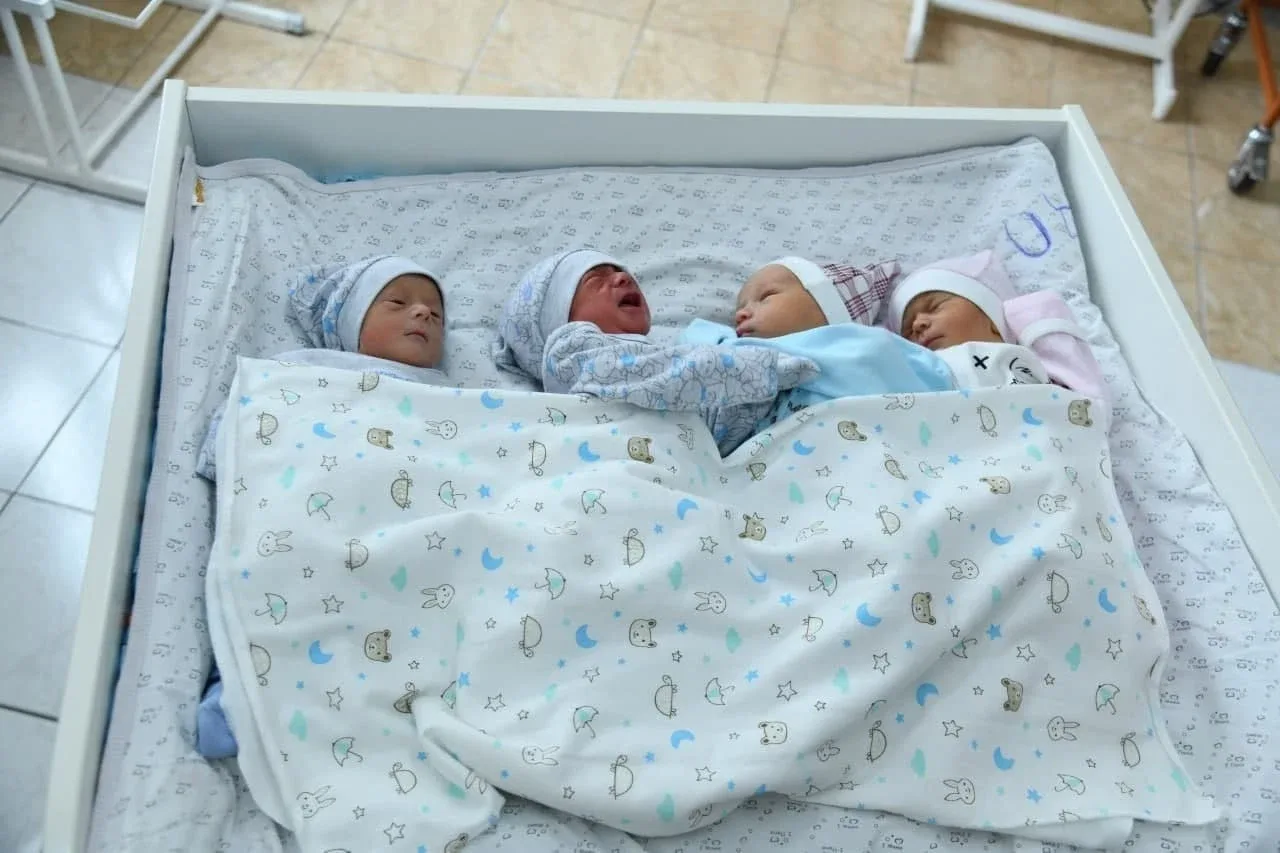
New trends are emerging in the high demographic growth rates that have continued for many years in Central Asian countries. By the end of the first half of the current year, a total of 711,3 thousand births were recorded in the region’s countries (excluding Turkmenistan), which is 5,5 percent lower than in the same period last year.
The decline in the overall figures is mainly attributable to the region’s two largest countries — Uzbekistan and Kazakhstan.
Figures and differences: What changes occurred in each country?
During the first six months of the year, the following demographic picture emerged across the countries of the region:
Uzbekistan: 373,4 thousand births were recorded (a −7,9 percent decrease compared with last year);
Kazakhstan: 149,8 thousand births were registered (a −7,1 percent decline);
Kyrgyzstan: 66,3 thousand babies were born (+2 percent growth);
Tajikistan: 121,8 thousand births were recorded (+0,9 percent positive growth).
A unique trend amid an overall decline in the CIS and post-Soviet region
According to local economist Mirkomil Xolboyev, while birth rates are declining in almost all countries across the post-Soviet region, the growth recorded in Kyrgyzstan and Tajikistan is a rare occurrence:
Armenia: Births declined by 1,9 percent over the six-month period;
Azerbaijan: The figure fell by 12,3 percent in January–May;
Ukraine: The demographic decline amounted to 16 percent;
Russia: In Russia, which has limited the publication of official statistical data, preliminary estimates indicate that births fell by 6 percent in the first quarter.
Experts attribute the declining trend in Uzbekistan and Kazakhstan to the acceleration of urbanization, the rising age at which people marry, and socioeconomic factors.
Leave your opinion in the comments and share the article with your acquaintances via Telegram or other social networks.



Comments 0
…