


Japan restarts world's largest nuclear power plant: Nuclear waste crisis intensifies
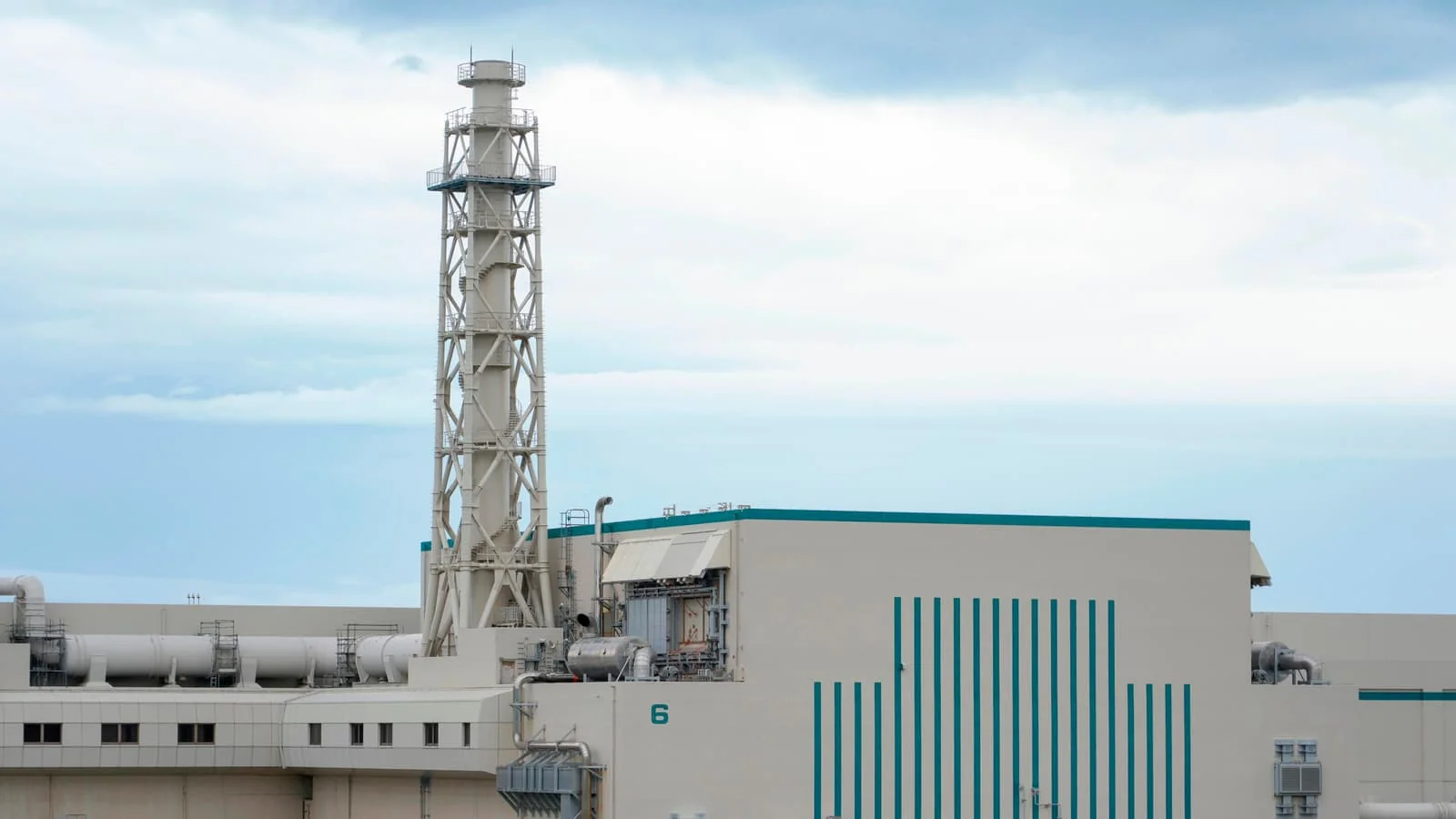
As part of its strategy to address the global energy crisis and reduce dependence on imported resources, Japan has restarted reactor No. 6 at the Kashiwazaki-Kariwa facility, the world's largest nuclear power plant. While this step is crucial for the country's economy, industry experts are expressing serious concerns regarding the storage of nuclear waste. According to ixbt.com, the reactivation of the plant has brought the most sensitive issue in Japan's nuclear industry—the disposal of spent fuel—back to the agenda. This is reported by news from
Ixbt.com.
The operator of the Kashiwazaki-Kariwa plant, Tokyo Electric Power Company Holdings (TEPCO), had suspended the facility's operations due to a national moratorium introduced after the 2011 Fukushima-1 disaster. Now, reactor No. 6 has been equipped with filtration systems and additional safety measures to protect against hydrogen explosions. Nevertheless, the plant's general manager, Takeyuki Inagaki, warned that without a sustainable plan for handling fuel, electricity production will inevitably stop sooner or later.
Filling waste storage facilitiesAccording to the Japan Atomic Industrial Forum, fuel storage pools at at least three nuclear power plants in the country will be completely full within the next five years. At the Kashiwazaki-Kariwa plant itself, the filling level of the reactor No. 6 pool has already reached 88 percent. This indicates that there is no space left to accommodate new fuel elements.
The Japanese government is currently considering two ways to solve this problem: reprocessing spent fuel to extract plutonium and uranium, or burying it directly as waste. Official Tokyo is emphasizing the reprocessing option due to limited resources, but this technology has not yet been fully implemented. As a result, the country has accumulated a large amount of plutonium, enough to produce thousands of nuclear warheads.
The remote Pacific island optionTo resolve the situation, the Japanese government is exploring the possibility of establishing a permanent waste dump on Minamitorishima Island, located nearly 2,000 kilometers south of Tokyo, which has no permanent population. However, this initiative is being sharply criticized by experts and local authorities. They believe that choosing such a remote and difficult-to-reach area is more of a political decision than a technical one.
- The figures provided by Japan's Ministry of Economy, Trade and Industry clearly show the scale of the crisis in the sector:
- As of December 2025, more than 17,000 tons of spent fuel have accumulated at 17 nuclear power plants;
- The total capacity of existing storage facilities is over 80 percent occupied;


Comments 0
…