


Unfixable Vulnerability Found in Apple Chips: iPhone Devices at Risk
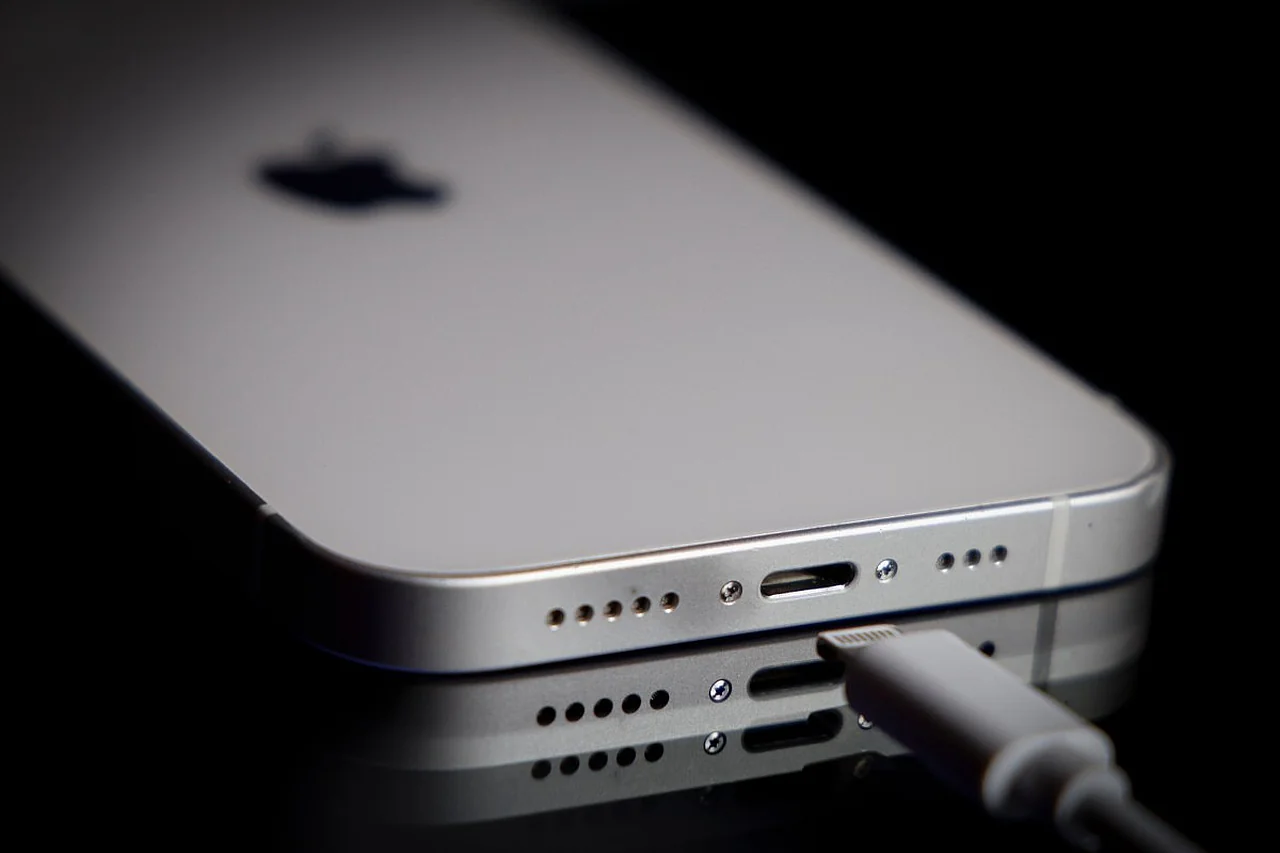
Cybersecurity experts have identified a serious and, most importantly, unfixable software vulnerability in chips manufactured by Apple. This flaw could open the way for full control of older iPhone models, namely "jailbreak" operations. This discovery is attracting attention not only from security researchers but also from companies developing spyware for government agencies, according to Techcrunch.com reports .
The Barcelona-based cybersecurity firm Paradigm Shift has publicly released detailed information about this vulnerability and a proof of concept. Named "usbliter8", this flaw allows bypassing security systems when physical access to the device is available. This means that if a hacker can connect the device to a computer via cable, they can penetrate the innermost layers of the system.
Which models are at risk?
The identified vulnerability pertains to Apple's A12 and A13 Bionic chips. These processors were introduced in 2018 and 2019 and were used in the following devices:- iPhone XS and XS Max;
- iPhone XR;
- iPhone 11, 11 Pro, and 11 Pro Max;
- iPhone SE (second generation).
Risk Level and Consequences
Although this vulnerability is serious, it does not mean all iPhone 11 or XR owners will immediately fall victim to hacker attacks. To execute the attack, a hacker must physically possess the device and chain together several other additional vulnerabilities. However, the announcement of usbliter8 creates new opportunities for companies like Cellebrite or Magnet Forensics, which collaborate with law enforcement, to break into locked devices.Considering that iPhone 11 and XR models remain popular in the Uzbekistan market, users should be cautious about handing their devices over to strangers. Experts emphasize that the only and most effective way to protect against this hardware-level flaw is to upgrade to devices with newer processors (A14 and higher).
Apple has not yet issued an official response to this situation. Although the company has tried to keep its ecosystem closed and secure for years, cases like usbliter8 prove once again that there is no such thing as perfectly protected technology. For now, users are only advised to strengthen physical security measures.



Comments 0
…