


Midnight Sun: US approves space mirror project despite scientists' objections
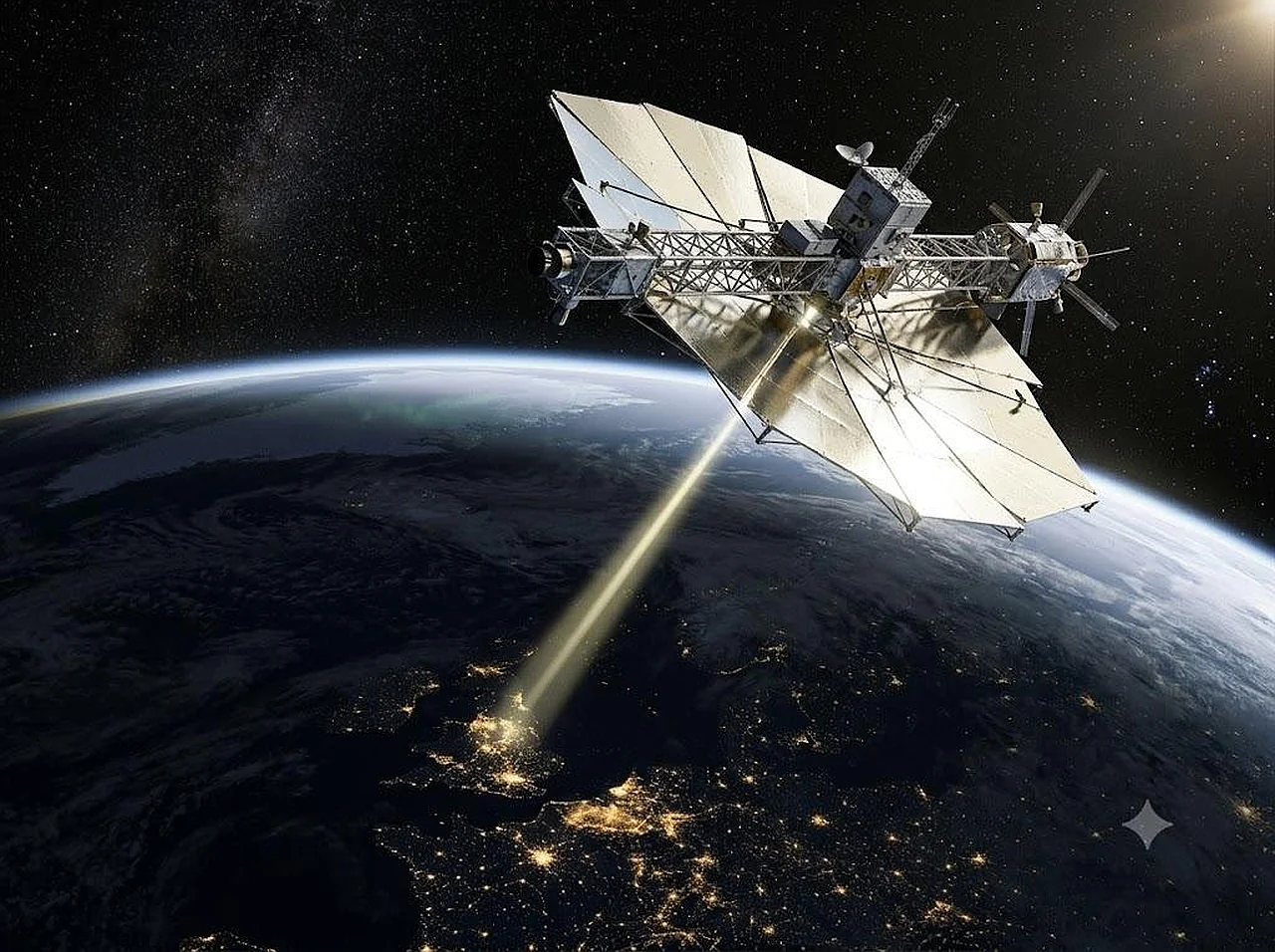
The US Federal Communications Commission (FCC) has approved an application from Reflect Orbital to launch an experimental satellite with a special reflective coating into space. This device is designed to direct sunlight to specific areas on Earth at night. The decision was made despite strong objections from astronomical organizations and environmental groups. This was reported by Ixbt.com reports.
Reflect Orbital plans to use a steerable orbital mirror to create a light spot on the planet's surface with a diameter of approximately 5 kilometers. Startup representatives claim that this technology could be very useful for providing additional illumination for solar power plants at night and for rescue operations in disaster-stricken areas. The first demonstration satellite, named Eärendil-1, is expected to be launched into orbit in the coming months.
Environmental concerns and astronomical obstacles
The project envisions creating a massive system of up to 50,000 satellites in the future. It is the scale of this system that is causing the main concern for the scientific community. Before making the decision, the FCC reviewed about 1,800 submissions, the majority of which were against the project. Experts warn that artificial lighting could increase light pollution in the night sky and harm natural ecosystems.According to Roohi Dalal, a representative of the American Astronomical Society (AAS), the intense reflected light could temporarily blind drivers and pilots, and damage the eyes of amateur astronomers observing the sky through telescopes. It would also seriously interfere with the work of professional observatories. However, the FCC stated that these risks fall outside the commission's jurisdiction, as their mandate is limited to regulating the use of radio frequencies.
Global consequences of space-based lighting
According to ixbt.com, modeling results conducted by astronomer Olivier Hainaut have shown that 50,000 mirror satellites would drastically increase the brightness of the night sky. As a result, even protected dark-sky areas could turn into light-polluted zones similar to city outskirts. This poses a major obstacle for large international projects aimed at deep space exploration.Currently, massive telescopes such as the Vera Rubin Observatory, ELT, and GMT are being built to allow for the most detailed observation of the universe. Light scattered in the atmosphere from satellites, illuminating a much wider area than expected, will compromise the accuracy of these scientific studies. Nevertheless, technological startups and regulatory bodies are prioritizing economic interests and innovation.


Comments 0
…