


Artemis 2 Astronaut Urges NASA to Modify Lunar Landing Plan
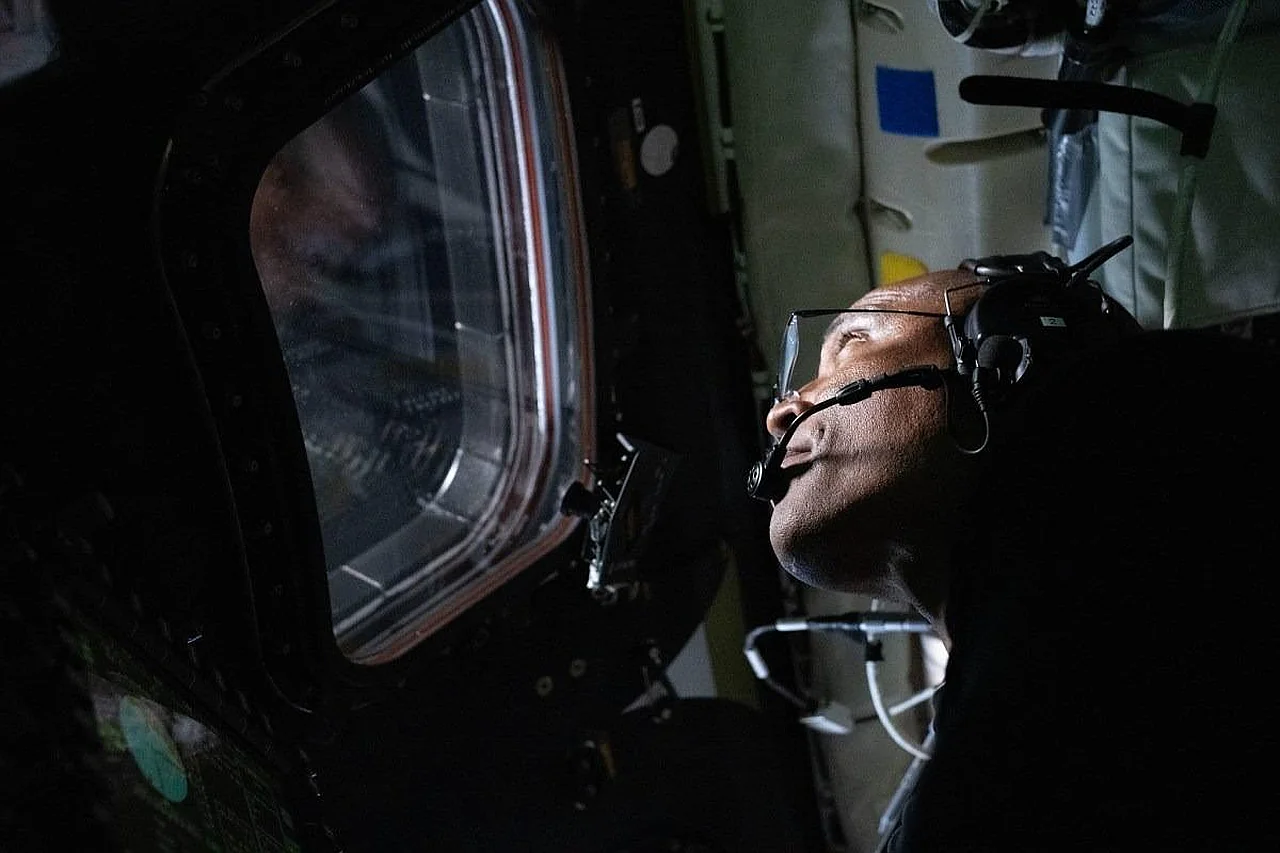
Victor Glover, pilot of NASA's Artemis 2 mission, has called on the U.S. space agency to reconsider its strategy for resuming crewed lunar flights. The astronaut believes that instead of immediately sending the first crews to the Moon's South Pole, landing closer to the equator first would be safer and more efficient. This was reported by ixbt.com, citing the NASA Exploration Science Forum. This was reported by ixbt.com .
In submitting his proposal to NASA leadership, Glover focused on minimizing risks. According to him, the equatorial region of the Moon has been well-studied through the previous Apollo program, and conditions there are much more favorable for astronauts. If the agency's primary goal is to return to the lunar surface as quickly as possible, choosing familiar and illuminated areas is a more logical step.
Challenges and Risks at the South Pole
According to NASA's current plans, Artemis missions are specifically intended to land at the South Pole. However, Victor Glover emphasizes that this region has unique complexities. In particular, because the Sun sits very low on the horizon at the South Pole, long and deep shadows are cast. This seriously complicates not only spacecraft landings, but also astronaut mobility and equipment operation.Another important aspect is the crew's abort and return capability. The current project plans to use a Near-Rectilinear Halo Orbit (NRHO) associated with the Gateway space station. Due to this trajectory, astronauts could be stranded on the lunar surface for up to a week waiting for a favorable return window. In equatorial regions, emergency return options to Earth are much broader.
Step-by-Step Development Strategy
Glover believes NASA must gain experience before transitioning to complex polar missions. It is advisable to first build landing and survival skills in simpler conditions before moving on to more difficult expeditions. This approach not only guarantees mission success, but also plays a vital role in preserving human life.It should be noted that this proposal is currently the astronaut's personal position. NASA has not officially changed its plans and still views the South Pole as the primary target for future Artemis missions. This is because frozen water reserves are hypothesized to exist precisely in this region, serving as a vital resource for future long-term bases.


Comments 0
…