


Samsung Unveils New Memory Architecture for AI Systems
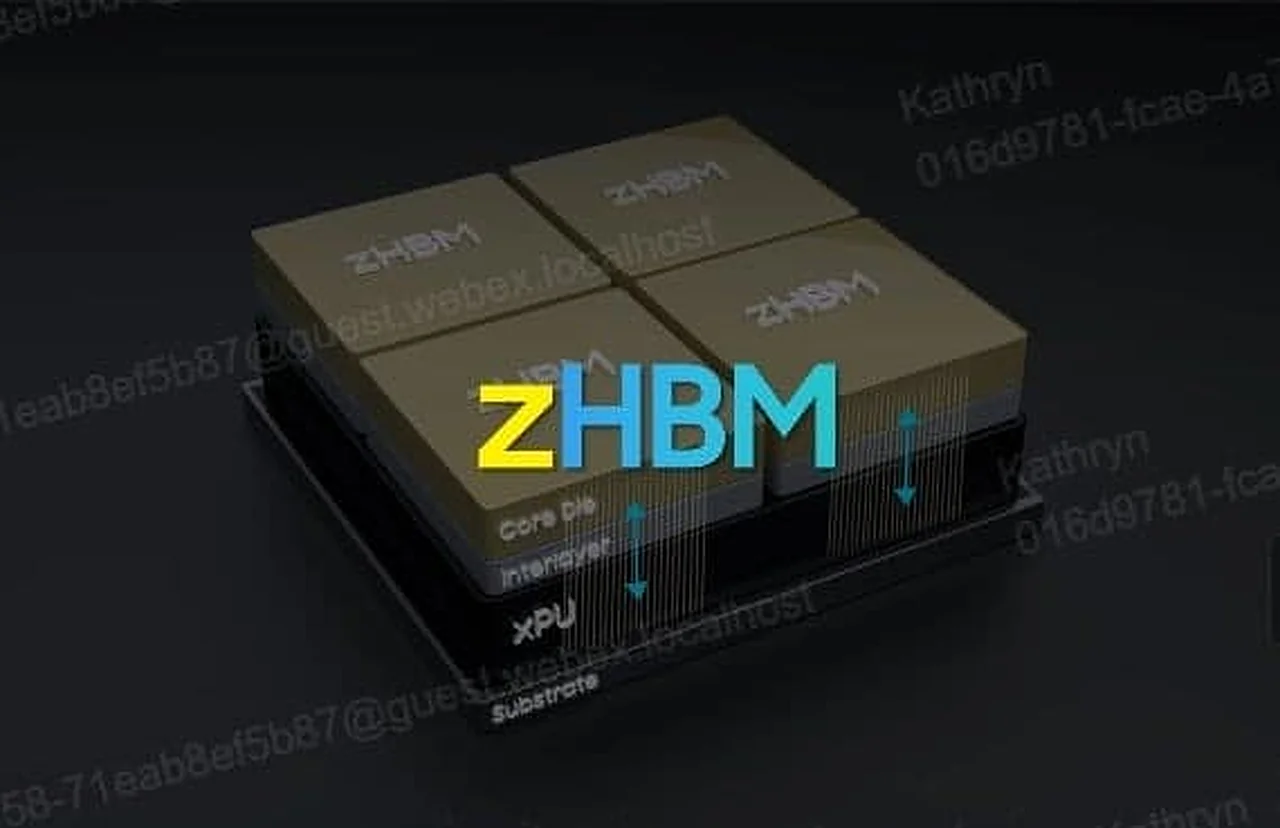
Samsung Electronics presented advanced developments aimed at advancing artificial intelligence systems at the Future of Memory and Storage (FMS) 2026 conference. According to ixbt.com, the most notable of the new concepts is the zHBM memory architecture, which could dramatically increase data-processing speeds in the future. This is what Ixbt.com reports.
The rapid development of artificial intelligence technologies is creating growing demands for data-transfer speeds and memory capacity. The zHBM concept presented by the South Korean technology giant is designed to address these challenges and is expected to take modern data centers and neural-network training to a new level.
The zHBM Architecture and Its Capabilities
The key feature of the new zHBM approach is that it places high-speed memory directly on top of the artificial intelligence accelerator rather than side by side as usual. This innovative configuration helps shorten the distance data must travel.According to Samsung estimates, this architecture could offer several major advantages over the HBM5 generation:
- Achieving approximately 8 times higher performance
- More than a 10-fold increase in memory density
- A 3-fold increase in energy efficiency
- A reduction of more than 50 percent in thermal resistance
V10 Bonding V-NAND and Other New Developments
The conference also featured a prototype of V10 Bonding V-NAND with more than 400 layers. The technology uses a Bonding Vertical (BV) scheme. The memory-cell array and control circuitry are produced separately and then combined into a single structure.According to Samsung, this method increases storage density by 58 percent compared with the V9 V-NAND generation and improves read, write, and data-transfer speeds. The event also showcased the zNAND-O concept for edge artificial intelligence systems, as well as HBM4E, HBM5, LPDDR5X-PIM, and the PM1763 and BM1773 enterprise SSDs.
Samsung has not yet provided specific details on the commercial launch schedule, pricing, or compatibility of these promising developments with artificial intelligence accelerators. Therefore, the presentation represents a showcase of future technologies rather than finished mass-production products.


Comments 0
…