


Anti-drone shield: An unexpected way to protect oil infrastructure (video)
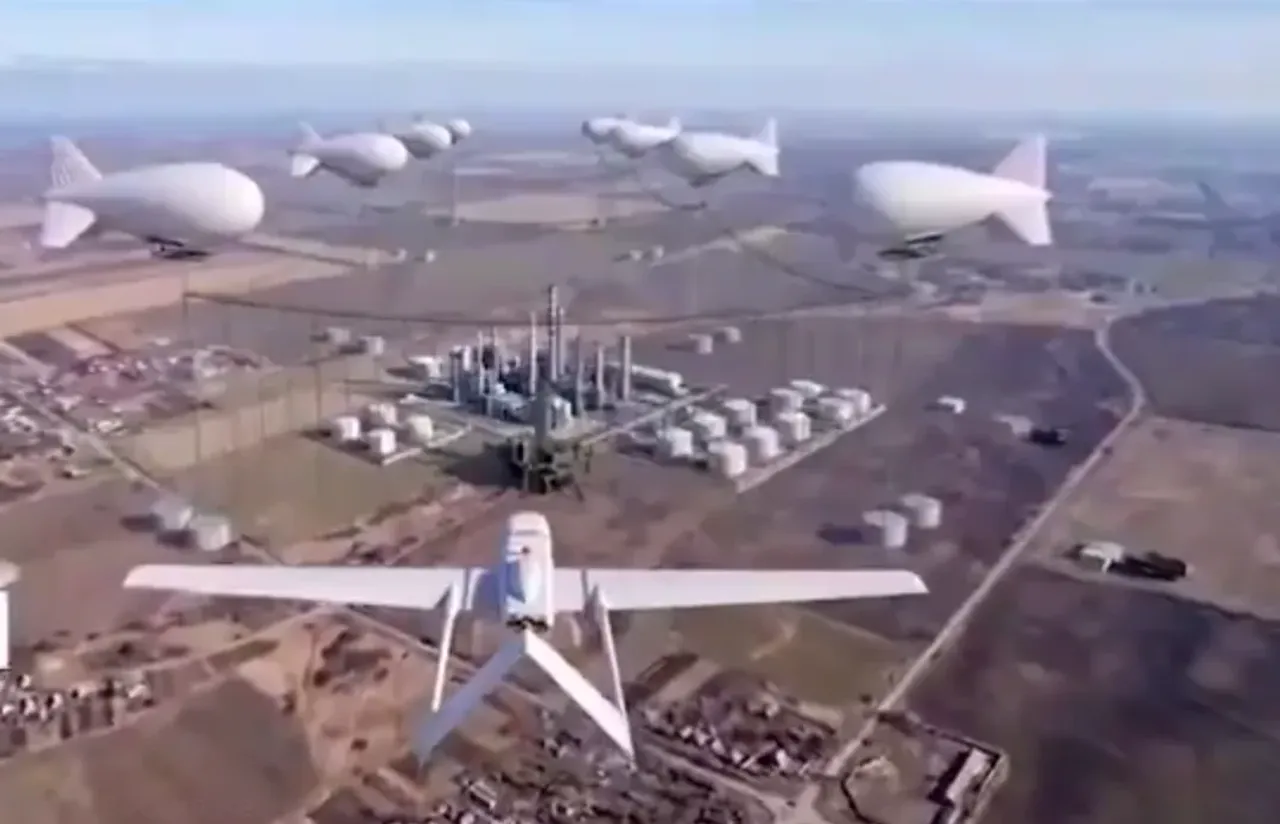
In Russia, the production of special aerostats (hot-air balloons) has been launched to protect strategically important oil refineries (ORPs) and energy infrastructure from attacks by unmanned aerial vehicles (drones).
Since air defense (AD) systems are not always highly effective against small, low-flying drones and spending expensive missiles poses an economic burden, engineers decided to revive the "barrier aerostats" system widely used during World War II based on modern technologies.
How does the aerostat defense system work?
This protective shield relies on simple yet physical mechanics that create a serious obstacle for low-flying kamikaze drones:
Steel ropes and durable nets: Giant aerostats lifted into the sky are interconnected with strong metal wires, steel cables, and resistant nets;
Invisible barrier: Drones rapidly approaching the factory area at low altitude crash into these cables or nets and either explode in the air before reaching the target or fall to the ground with damaged wings;
Radar monitoring capability: Modern aerostats can act not only as a physical barrier but also be equipped with special radar and optical surveillance devices to detect low-flying targets coming from a long distance in advance and act as an early warning system.
Why aerostats in particular?
Military and economic analysts point out several important reasons for this decision:
Economic efficiency: Modern anti-aircraft missile systems (such as "Pantsir" or "Tor") and their missiles are extremely expensive, and using million-dollar weapons against every cheap drone requires huge expenses. Aerostats, on the other hand, are a much cheaper and continuously operating alternative solution;
Continuous duty: An aerostat can hover in the air for weeks without consuming fuel and provide a permanent "safety dome" over the plant.
This technology is expected to be deployed on a trial basis around large oil depots and processing enterprises in border and central regions that are most at risk during the initial phase.



Comments 0
…