


Baidu and Lyft Begin Testing Autonomous Taxis in London
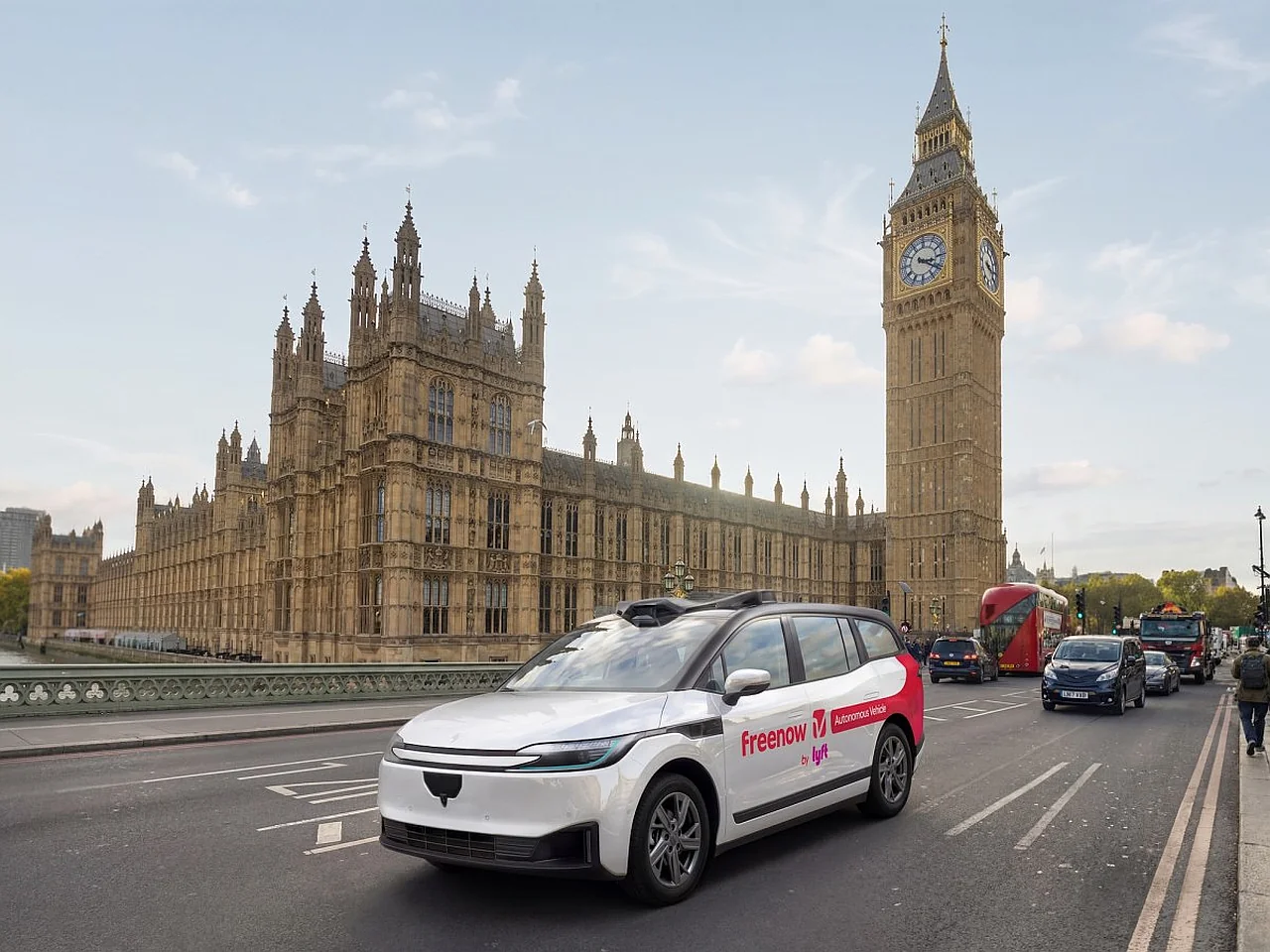
Chinese tech giant Baidu, in partnership with Lyft and its subsidiary platform Freenow, has started testing self-driving cars on the streets of London. This move is an important step towards launching a commercial robotaxi service in the UK, turning the British capital into a major competitive arena for autonomous vehicles. This was reported by Techcrunch.com reported by.
According to ixbt.com, human operators will be present inside the cabin during the testing process, which began on Tuesday, to ensure safety. This process comes nearly a year after a strategic agreement was signed between the two companies to bring Baidu's specially developed Apollo Go RT6 robotaxis to the European market.
It is reported that the vehicles will be provided to users in the future through the Freenow app, which Lyft acquired in 2025 for nearly 197 million dollars. This acquisition gave American company Lyft a strong foothold in the European ride-hailing market, where several large venture-backed companies are now competing for leadership in the robotaxi market.
London is becoming a key arena for autonomous transport
In particular, the city of London has already become a major testing ground in this direction. In April of this year, Waymo also began testing its autonomous vehicles under the supervision of safety operators. Additionally, Uber announced plans to launch its robotaxi service in London this year together with Wayve, its partner in AI and self-driving technologies.At the current stage, the companies are operating dozens of test vehicles in the London borough of Brent. According to representatives of Baidu and Freenow by Lyft, public access to the robotaxis is expected to open in 2027, depending on regulatory approval.
Thomas Zimmermann, CEO of Freenow by Lyft, noted that once the service is fully operational, it will operate as a hybrid network. This means professional drivers of traditional taxis and personal cars will work alongside robotaxis to help ensure urban mobility.


Comments 0
…