


China Begins Serial Production of Its Own Immersion DUV Lithography Systems
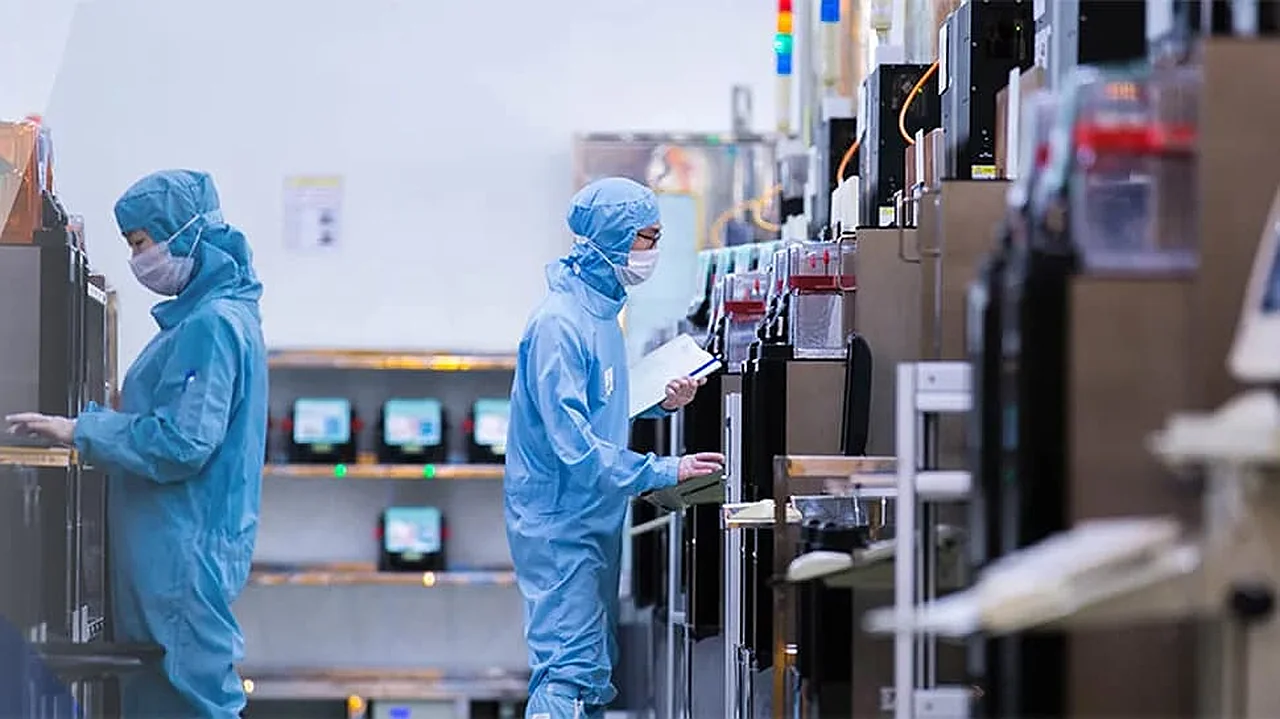
China has taken a crucial step toward achieving technological independence in the semiconductor market by launching serial production of domestically manufactured immersion DUV lithography systems. According to sources cited by The Information, the first units of this high-tech equipment are planned to be delivered to the country's leading chip manufacturers as early as this year. This was reported by Ixbt.com reports .
As part of this strategically important project, clear targets have been set for the manufacturer in the coming years. Specifically, around five such machines are planned for production throughout 2026, with the goal of increasing this figure to 20 units per year by 2027. Although the name of the manufacturing company has not been officially disclosed, sources emphasize that several major Chinese enterprises are behind this initiative, including the state-backed startup Shanghai Yuliangsheng Technology.
Testing Process and Production Specifics
Testing of the new technology's capabilities has already begun. Reports indicate that a prototype of the immersion DUV lithography system has been successfully tested at SMIC's production facility since September 2025. While the core components of the equipment are produced within China, certain critical spare parts are purchased from Japanese companies. Supply chain issues regarding these specific components remain the primary factor limiting the current pace of serial production.Immersion DUV lithography is considered one of the most complex technologies in modern microchip manufacturing. Such devices enable the production of chips based on a 28nm technological process in a single exposure cycle. If multiple patterning technology is applied, the equipment is capable of producing advanced microchips down to the 7nm level.
US Pressure and Leading Chinese Companies
China's initiation of domestic lithography equipment production comes against the backdrop of intensifying sanctions and pressure from the US. Currently, the MATCH Act bill is under discussion in the US Congress. If approved, it could ban the Netherlands-based ASML from not only supplying new immersion DUV systems to Chinese enterprises but also providing maintenance services for already installed equipment.At present, potential companies facing this risk include SMIC, Hua Hong Semiconductor, and ChangXin Memory Technologies (CXMT). These major market players are at the top of the list to receive the new domestic lithography systems first. The introduction of this new local technology is expected to significantly mitigate the impact of foreign restrictions on China.


Comments 0
…