


Russian strikes target Ukraine's critical infrastructure
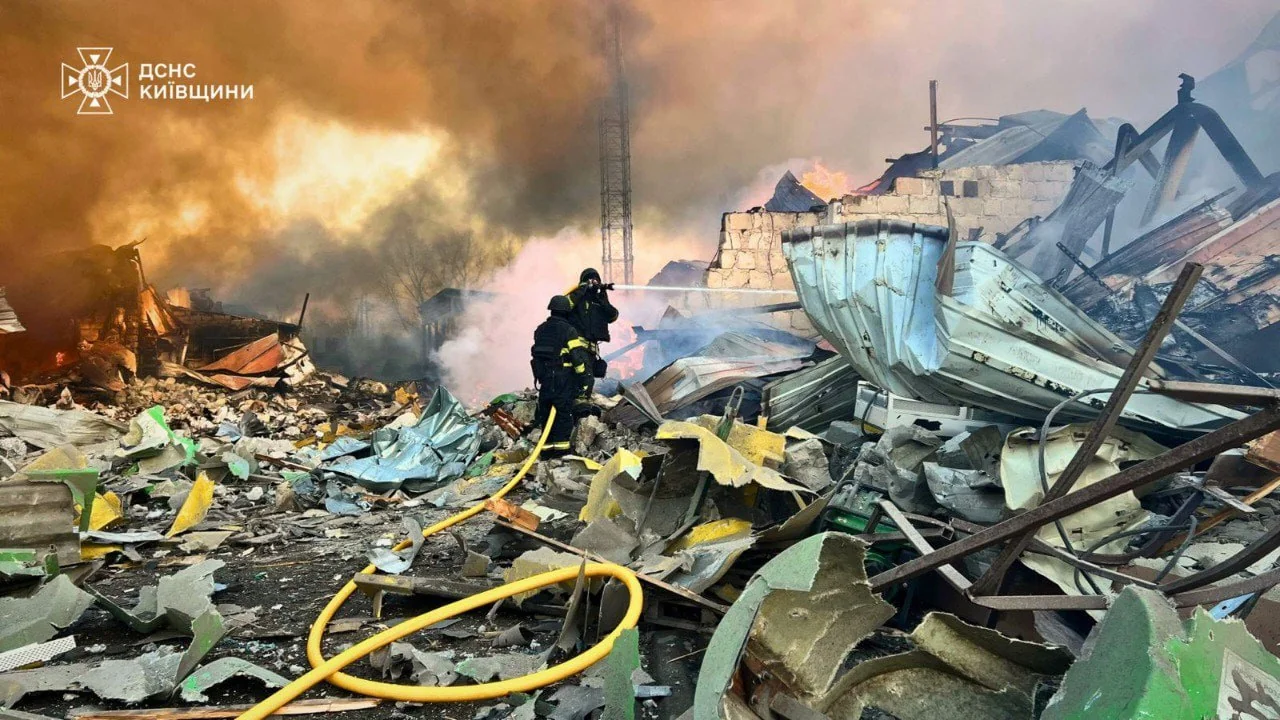
On the morning of March 13, 2026, a devastating missile strike hit a passenger bus near the village of Novaya Aleksandrovka in the Kupyansk district of the Kharkiv region. The vehicle, which was traveling from Kharkiv to Velikiy Burluk, was carrying 15 passengers when it was struck. According to the Kharkiv regional prosecutor's office, the attack resulted in the deaths of the driver and two passengers, while four others sustained injuries. The blast also caused significant damage to nearby private residential properties, highlighting the ongoing danger faced by civilians in the region.
Conflicting reports have emerged regarding the weaponry used in the assault. While Andrey Kanashevich, head of the Kupyansk district military administration, identified the weapon as a Russian "Lancet" attack drone, the regional prosecutor's office stated that the strike was carried out using an "Iskander-M" ballistic missile. This discrepancy underscores the complexity of monitoring active conflict zones where multiple types of munitions are deployed simultaneously. The incident is part of a broader pattern of intensified aerial aggression across Ukraine.
The violence extended beyond the Kharkiv region throughout the night and into the following day. In Balakleya, Russian forces launched a series of drone strikes against residential areas, causing multiple explosions. Simultaneously, the southern regions faced their own share of destruction. In the Odessa region, a Russian drone strike targeted port infrastructure, specifically hitting a food warehouse and sparking a fire that was eventually extinguished. Fortunately, local authorities reported no casualties in that specific incident.
The Zaporizhzhia region also suffered significant losses. Regional military administration head Ivan Fedorov confirmed that a drone strike on a tanker truck in the Zaporizhzhia district killed a 57-year-old man and injured another. Later that day, drones also targeted a multi-story residential building in the city of Zaporizhzhia, though reports on potential casualties from that specific strike remain pending. These events reflect a coordinated effort by Russian forces to disrupt logistics and terrorize civilian populations across diverse geographical fronts.
According to the Ukrainian Air Force, the scale of the overnight offensive was massive, involving an "Iskander-M" ballistic missile and 126 attack drones launched across the country. While Ukrainian air defenses successfully intercepted or neutralized 117 of these drones, the remaining munitions and debris caused damage across seven different regions. The persistent use of high-precision missiles alongside swarms of cheaper drones represents a tactical shift aimed at overwhelming defensive systems. As the conflict continues, the civilian toll remains the most tragic consequence of these relentless aerial campaigns, leaving communities in a state of constant vulnerability and fear.



Comments 0
…