


Eight-week war against Iran led to severe consequences worldwide
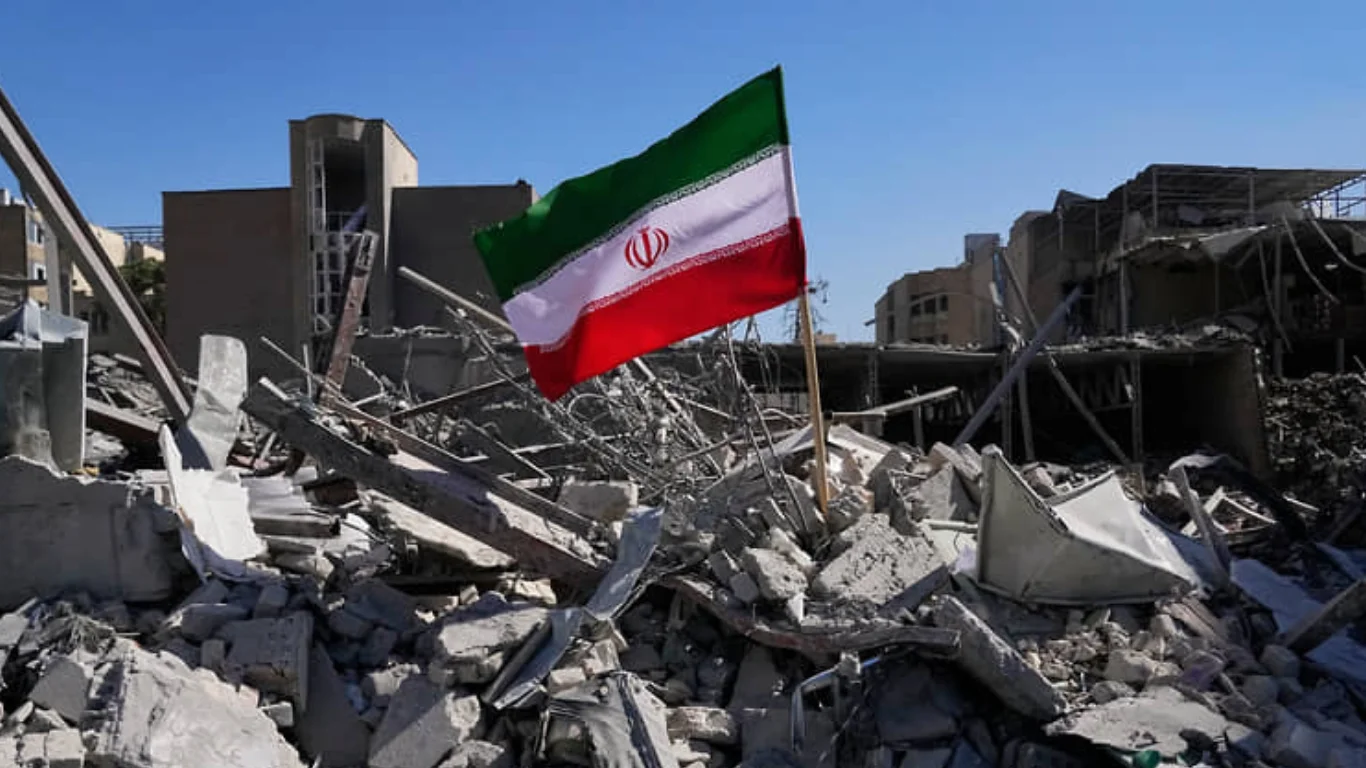
According to the publication, the economy has suffered a serious blow, and its consequences are being felt in dozens of countries. The New York Times reported this.
1. Factories are closing in India and Bangladesh.
2. Disruptions in air travel have begun in Ireland, Poland, and Germany.
3. Electricity restrictions are being introduced in Vietnam, South Korea, and Thailand.
4. The Japanese automotive industry and the Indian metallurgical industry are cutting production.
5. Factory workers in China are losing their jobs.
The reason is the rise in oil, gas, and fertilizer prices following attacks on infrastructure and problems around the Strait of Hormuz. This has led to shortages of various goods ranging from aluminum and helium to microchips.
Furthermore, due to the sharp increase in jet fuel prices, the world's largest airlines have begun reducing flights, which is already affecting tourism and business.
The New York Times notes that even if the war ends tomorrow, high energy prices may persist in the coming years.


Comments 0
…