


Trump Imposes New Tariffs on 60 Countries: Who Is on the List?
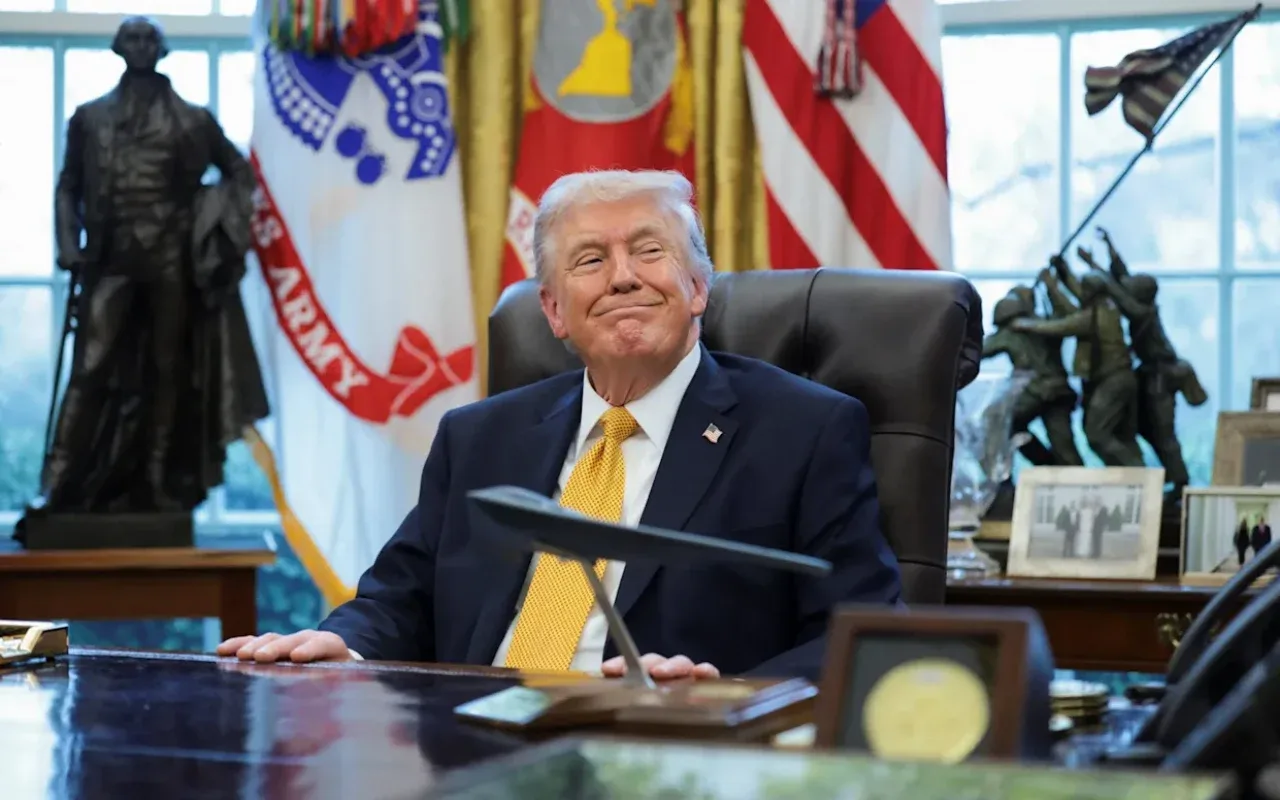
The administration of U.S. President Donald Trump has introduced new tariff rates of 10% and 12.5% on products imported from 60 trading partners. Washington justifies this decision by citing insufficient compliance with requirements against forced labor in global supply chains.
It is reported that the new tariffs will cover almost all U.S. imports. However, exceptions have been maintained for certain strategic goods.
New tariffs will cover 99.4% of imports
According to reports, the new tariff measures will apply to approximately 99.4% of U.S. imports.
At the same time, tariffs will not be applied to certain goods deemed essential for the economy and national security.
Exceptions include:
oil and gas;
fertilizers;
certain food products;
aircraft;
critical minerals;
goods already subject to other national security tariffs.
Which countries are subject to the 10% tariff?
A 10% import tariff has been applied to products from countries such as Argentina, Bangladesh, Great Britain, Canada, India, Indonesia, Malaysia, Mexico, and Pakistan.
For the European Union, Japan, South Korea, Taiwan, and Switzerland, the total tariff burden is set at 10% to 12.5% .
A 12.5% rate has been introduced for the remaining 38 countries, including China and Vietnam.
Country Group | Tariff Rate |
|---|---|
Argentina, Canada, India, Mexico, and others | 10% |
European Union, Japan, South Korea, Taiwan, Switzerland | 10–12.5% |
China, Vietnam, and 36 other countries | 12.5% |
Kazakhstan's products were also included in the list
According to the new decision, a 12.5% tariff has been set for products imported from Kazakhstan.
The U.S. side states that tariff rates and exceptions were chosen as the most optimal measure to address trade practices identified during investigations.
However, there is no detailed information yet on which of Kazakhstan's export products will be most affected by the tariffs.
Washington justified the decision with forced labor
The U.S. administration stated that the main goal of the new tariffs is to strengthen the fight against the use of forced labor in global supply chains.
According to Washington's position, trading partners must exercise stronger control over compliance with labor rights in production processes.
Therefore, the tariffs are being used not only as an economic tool but also as a means to influence labor standards.
U.S. partners opposed the decision
The European Union, Australia, Brazil, Norway, and Canada have opposed the new tariffs, labeling them unjustified.
These countries are concerned that the tariffs could negatively affect trade relations, increase the price of goods, and lead to retaliatory measures.
The main question now is whether U.S. trading partners will choose the path of negotiation or introduce retaliatory tariffs against Washington's products?
Do you think the new tariffs will strengthen the fight against forced labor or further escalate global trade tensions? Leave your opinion in the comments.



Comments 0
…