


BRICS Leaders Adopt Historic Declaration: Is an Alternative Power to the West Emerging?
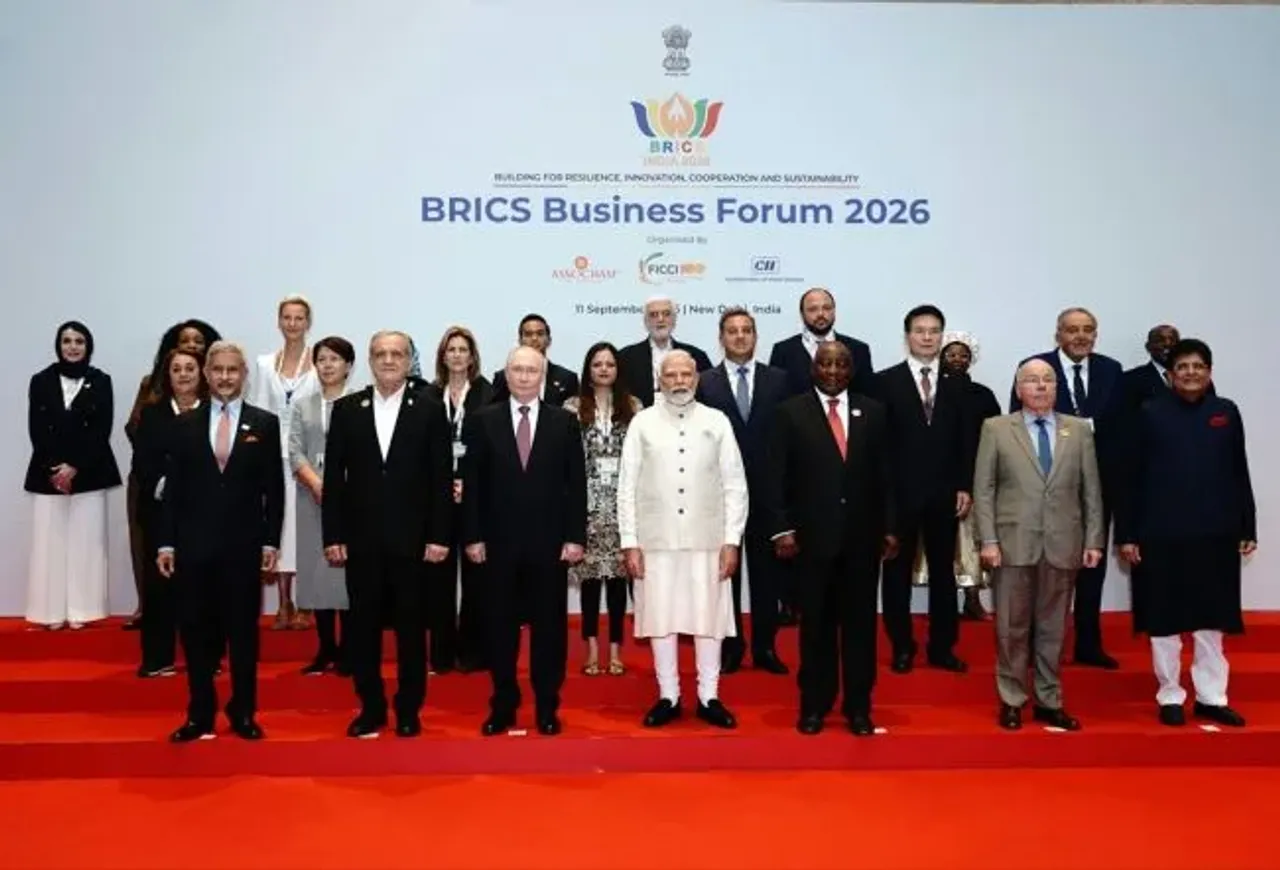
The BRICS organization, which aspires to shape a multipolar world order, has issued one of its most significant political statements on global economy and security issues. Following the BRICS summit in New Delhi, India, the heads of state unanimously approved a joint declaration.
According to reports from India's influential NDTV channel, the document puts forward sharp demands to abolish unilateral tariffs, restrictions, and illegal secondary sanctions that are disrupting global trade. Furthermore, the bloc's members reached a consensus on developing international cross-border payment mechanisms, strengthening the use of national currencies to move away from the dollar, and preventing nuclear risks.
So, what other strategic directions were set in the New Delhi Declaration, how will BRICS' new financial plans affect global markets, and how does the organization intend to support the role of the UN?
“Abolish secondary sanctions!”: Sharp objections regarding trade and tariffs
The adopted joint declaration paid special attention to the violation of international trade rules:
Resistance to the violation of WTO rules: BRICS nations expressed serious concern over the increasing number of unilateral tariff and non-tariff measures that artificially distort trade and contradict World Trade Organization (WTO) norms;
Call against sanctions: Summit participants called for the complete abolition of unilateral and secondary sanctions that are paralyzing the global supply chain;
Uninterrupted supply chain: The document emphasized the need to expand cooperation to maintain the free flow of global trade, product delivery systems, and, most importantly, the stability of energy resource supplies.
A system independent of the dollar: National currencies and cross-border payments
The summit's most resonant financial decisions were aimed at limiting the dollar's monopoly:
Trade in national currencies: BRICS countries confirmed they will consistently work to further expand the use of their national currencies in mutual settlements;
Independent payment mechanisms: Plans were solidified to create secure cross-border payment mechanisms to reduce dependence on Western international financial systems (including SWIFT restrictions);
Global financial sovereignty: This initiative is aimed at creating an independent financial shield not only for BRICS members but also for dozens of developing countries wishing to join.
Nuclear risk, conflicts, and the UN mandate: Security standards
A number of important principles regarding international security were established in New Delhi:
Addressing the root causes of conflicts: The document noted that preventing wars and conflicts in the world is only possible by addressing their root causes;
Growing nuclear danger: Leaders expressed concern over the increasing threat of nuclear danger and geopolitical clashes;
Guarantees during armed conflicts: It was emphasized that even in the event of armed conflicts, nuclear safety guarantees and environmental protection must always be unconditionally observed;
Cultural heritage and supporting the UN: Agreement was reached to take measures against the destruction and illegal trafficking of cultural assets in war zones, as well as to fully support the UN in fulfilling its global mandate.
The New Delhi summit demonstrated that the BRICS bloc is becoming more than just an economic club; it is evolving into a geopolitical pole capable of writing new rules for international relations.
Do you think the shift of BRICS countries to national currencies and the launch of new cross-border payment systems can end the hegemony of the US dollar? How effective will this unanimous position of BRICS in New Delhi be in stopping global conflicts? Leave your thoughts in the comments and share this analysis of this historic turning point in world geopolitics with all your friends and analysis enthusiasts!



Comments 0
…