


BRICS-2026: Global Trade, New Finance and Independent Corridors
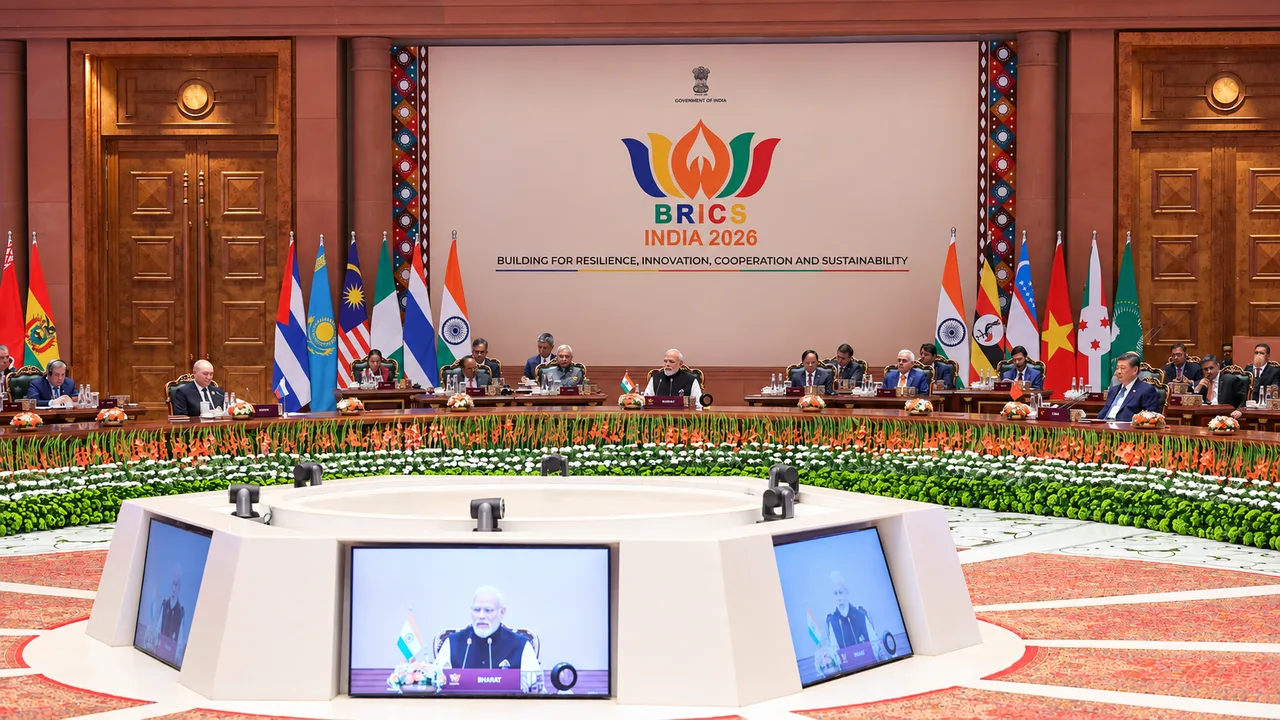
Following the BRICS summit held at the grand conference complex in the capital of India, a comprehensive official statement was adopted, and new strategic directions for international economic relations were approved. Representing a significant portion of the world's population and a vital share of global trade, the dialogue platform focused primarily on financial stability, alternative logistics, and the principles of sovereign equality.
During the negotiations, the need to transition from hegemony-based rules in international trade to multipolar mechanisms was highlighted. Participating states stated that artificial restrictions, unilateral protectionist tariffs, and economic sanctions contrary to international rules are harming the global market. In this regard, the necessity of fully restoring the dispute settlement mechanism within the framework of the World Trade Organization and protecting open market rules was put forward.
On the issue of ensuring financial independence, the idea of creating a common single currency was completely abandoned. Instead, an agreement was reached to expand the practice of using national currencies in mutual settlements and to integrate independent digital systems that accelerate payments. Such an approach aims to reduce dependence on intermediaries and third-party pressure in foreign trade, as well as to lower cross-border financial risks.
The transport problems of landlocked countries were also widely discussed at the summit. Developing alternative transport corridors in the South Asian direction and strengthening the infrastructure connecting ports and logistics networks were identified as priority tasks. These initiatives create new practical opportunities for inland regions such as Central Asia and Uzbekistan to freely access global maritime routes, particularly India and neighboring markets.
Additionally, in the field of technological and industrial security, multilateral cooperation mechanisms were approved to protect the critical minerals market from political influences, create equal conditions for all countries in the transition to green energy, and support digital startups.
It was specifically emphasized that international structures, including the United Nations and financial institutions, must be adapted to the demands of today's era, and the voices of developing countries within them must be increased. The results achieved in New Delhi demonstrate that global development will henceforth progress not based on unilateral instructions, but on sovereign interests and mutually beneficial pragmatic cooperation.



Comments 0
…