


«Trump says something different every day»: Tehran doesn't know which of Washington's words to trust
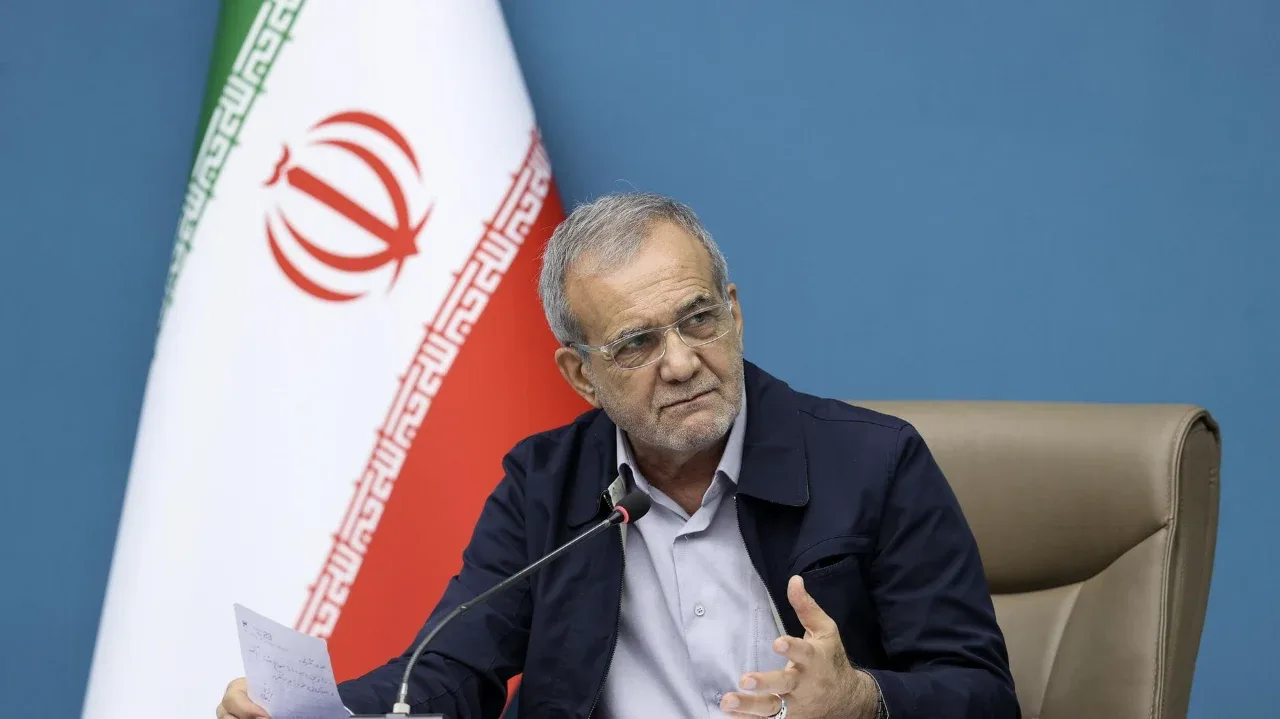
Against the backdrop of the geopolitical situation in the Middle East and complex diplomatic ties between Washington and Tehran, President of the Islamic Republic of Iran Masoud Pezeshkian made an open and critical statement regarding the political rhetoric of US leader Donald Trump. The Iranian leader emphasized that the White House chief's remarks regarding Iran are extremely contradictory and unstable, stating that official Tehran does not know which of Trump's statements it should accept as a genuine position and what to rely on when taking action.
Threats and pressure one day, followed by calls for friendship and cooperation the next, further complicate the already low level of mutual trust between the two countries. So, which of Trump's contradictory views did Pezeshkian expose, how do the White House's unstable signals affect Tehran's diplomacy, and what does this uncertainty in US-Iran relations mean for regional security?
«One day he wants to destroy us, the next he says we are friends»: Pezeshkian's open objection
Iranian President Donald Trump clearly illustrated the sharp discrepancies between his daily statements with specific examples:
Constantly changing rhetoric: «Trump says different things every day. There is no consistency or clear diplomatic line in his statements», — the Iranian head of state said;
The threat of destruction and claims of friendship: «One day he declares his desire to completely destroy Iran, but the very next day he states “we are friends of Iran”», — Pezeshkian responded;
The game of recognition and denial: It was also noted that one day he claims to recognize Iran as an independent and legitimate force, while the other day he insists on completely denying it;
Deadlock in decision-making: «Therefore, we do not know for sure which of his statements we should accept and which one we should rely on in our political actions», — the Iranian leader concluded.
Washington's «conflicting signals»: Deepening crisis of trust
Disproportionate statements issued by the White House are complicating bilateral dialogue:
Confusion of threats and offers: While the US administration states on the one hand that it will increase economic and military pressure against Iran, on the other hand it invites them to a new agreement and the negotiating table;
Tehran's cautious stance: The Iranian side has repeatedly emphasized that in such unstable conditions, it can only believe in practical steps, the real lifting of sanctions, and official guarantees, rather than words;
Disruption of the diplomatic balance: The rapidly changing statements of the US leader on social networks and in the press are also significantly complicating the work of international mediators (including Oman and other countries).
Middle Eastern tensions and an uncertain future
The war of words between the US and Iran is having a serious impact on regional politics:
Strait of Hormuz and oil security: The escalation of statements poses a direct threat to strategic maritime routes and stability in the global energy market;
Fading prospects for negotiations: Until there is a clear and consistent political position, the likelihood of concluding a new solid agreement on the nuclear program or regional security remains very low;
Observational diplomacy: Official Tehran is currently choosing a strategy of closely monitoring US domestic politics and how Trump's future concrete actions will unfold.
This statement by Masoud Pezeshkian once again proved that Iran relies only on firm and balanced diplomacy in its dialogue with Washington, rather than uncertain and unstable promises.
Do you think such contradictory statements by Donald Trump regarding Iran are a special tactical pressure, or do they indicate that Washington lacks a clear strategic plan? Will Iran and the US be able to reach a peaceful diplomatic compromise in the near future? Leave your thoughts in the comments and share this important analysis of Middle East diplomacy with all international politics enthusiasts and your friends!



Comments 0
…