


How does the US new hypersonic missile bypass air defense systems?
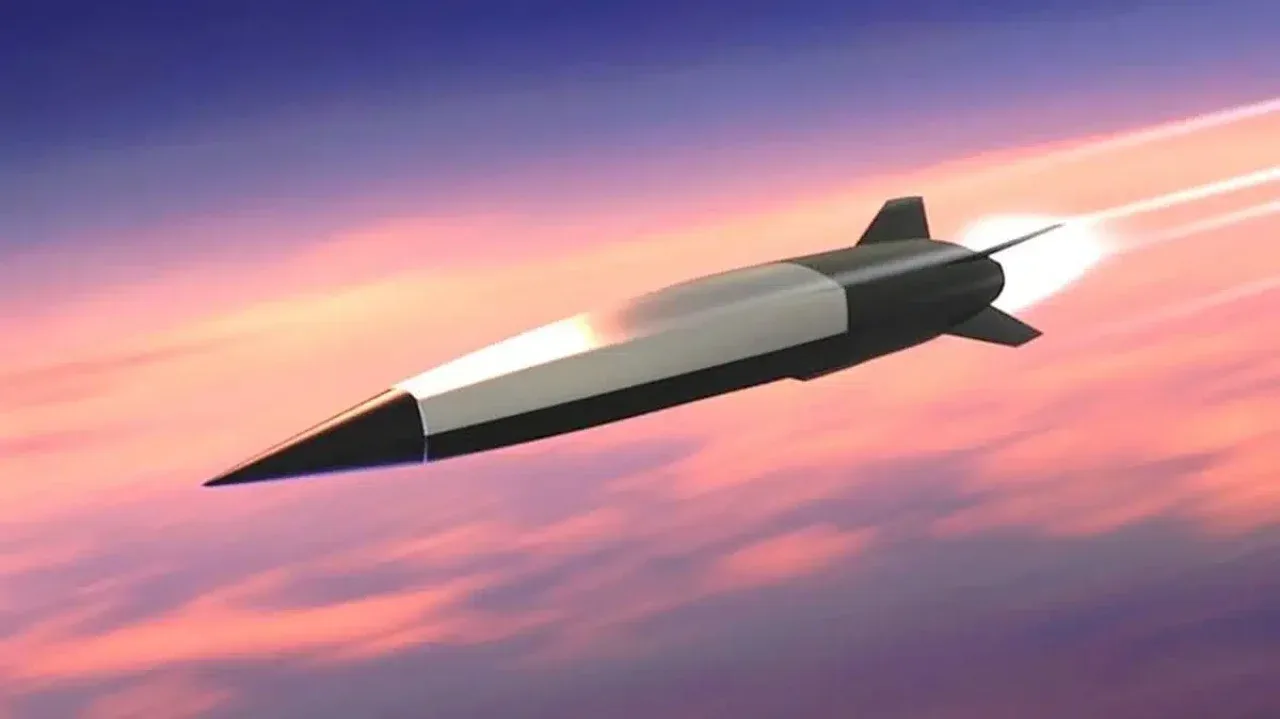
The US Air Force, in cooperation with the Royal Australian Air Force, has conducted the first successful flight test of the HACM (Hypersonic Attack Cruise Missile) project, a new generation hypersonic cruise missile. This was reported by the influential military publication The War Zone, citing US military officials.
According to an official US Air Force spokesperson, this test was carried out as part of a program to improve capabilities for striking long-range targets with high precision and unstoppable speed.
Secret launch at the Woomera range
Although official military data did not disclose the type of aircraft that dropped the missile or the name of the test range, according to The War Zone, the historic test took place at the famous Woomera Test Range military testing ground in Australia:
Air-launch: An RAAF aircraft dropped the HACM test article at a designated altitude within a specially allocated airspace;
Data collection: During the flight, critical telemetry indicators regarding the missile's aerodynamics, entry into the hypersonic environment, and stable operation of its components were successfully recorded.
Two-stage hypersonic system: The missile consists of a solid-propellant booster (initial block) and a combat flight section equipped with an independent hypersonic ramjet engine;
Speed and maneuverability: The weapon can reach a speed of approximately Mach 7 (7 times the speed of sound). The fast-moving glider has the ability to execute sharp maneuvers in altitude and direction, making it virtually undetectable to modern anti-missile defense (AMD) radars;
Operating range: The missile's projected strike range is 500 kilometers;
Compact size for fighters: Unlike heavy and bulky hypersonic complexes, HACM features compact dimensions. Therefore, it can be utilized not only by strategic bombers, but also by tactical fighters — its primary carriers, the F-15E Strike Eagle and naval aviation's F/A-18F Super Hornet aircraft.
Mach 7 speed and compactness: HACM technical capabilities
The exact technical characteristics of the HACM missile are strictly classified. Nevertheless, information from open military sources reveals its highly dangerous features:
Delays and mass production timeline
Due to the project's technical complexity, its testing had been delayed several times. Initially, tests were scheduled for 2024, but the deadline was postponed first to 2025, and then to 2026.
Following the first successful launch in Australia, the US Department of Defense is moving to the next phase of the program. The goal of the US Air Force is to initiate low-rate initial production and put HACM hypersonic cruise missiles on combat duty by the end of 2027.



Comments 0
…