


NASA observatory saved: LINK spacecraft resolves critical orbital malfunctions
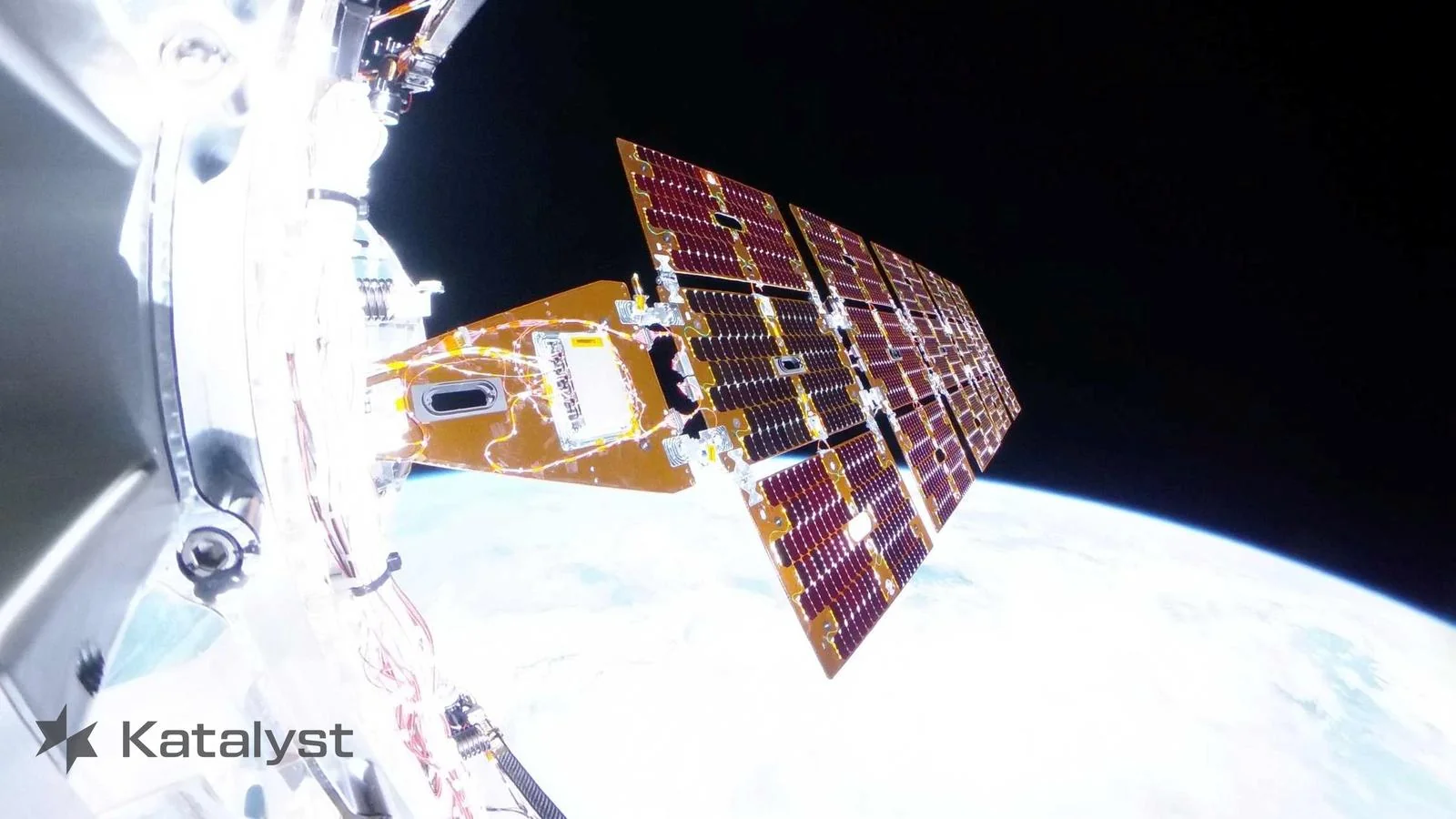
The LINK service spacecraft, developed by Katalyst Space and designed to extend the lifespan of NASA's Neil Gehrels Swift Observatory, has successfully passed complex tests in space. Previously, the spacecraft experienced critical malfunctions in its orientation system, but engineers managed to save the mission by remotely updating the software. This was reported by Ixbt.com reports .
Launched into space on July 3, the LINK spacecraft has now completed half of its preparatory phase before performing its primary mission. This device acts as a unique "rescuer" in space: it must dock with the Swift observatory and boost its orbit. This operation will allow the scientific station's service life to be extended by several years.
Emergency software changes
In the early days of the flight, specialists encountered a series of technical issues. In particular, communication interruptions and the failure of one of the reaction wheels that control the spacecraft's orientation in space put the mission at risk. According to ixbt.com, engineers urgently revised the control algorithms and sent new software code to orbit.This update served to restore the spacecraft's stability and improve communication quality. Currently, LINK has successfully tested its electric engines, which operate on xenon fuel. Using these engines, it will gradually approach the observatory and push it into a higher orbit over several months.
Representatives of Katalyst Space state that such service missions open a new era in space exploration. Repairing and extending the life of valuable scientific observatories using automated devices, without the need for crewed missions, is considered highly economically efficient.
Currently, the LINK spacecraft is making final preparations to approach the Swift observatory. If this mission is successfully completed, it is expected that similar "orbital services" will be introduced for many other aging, yet still functional, satellites in the future.


Comments 0
…