


Neurotechnology Revolution: Brain Implants Move from Lab to Practice
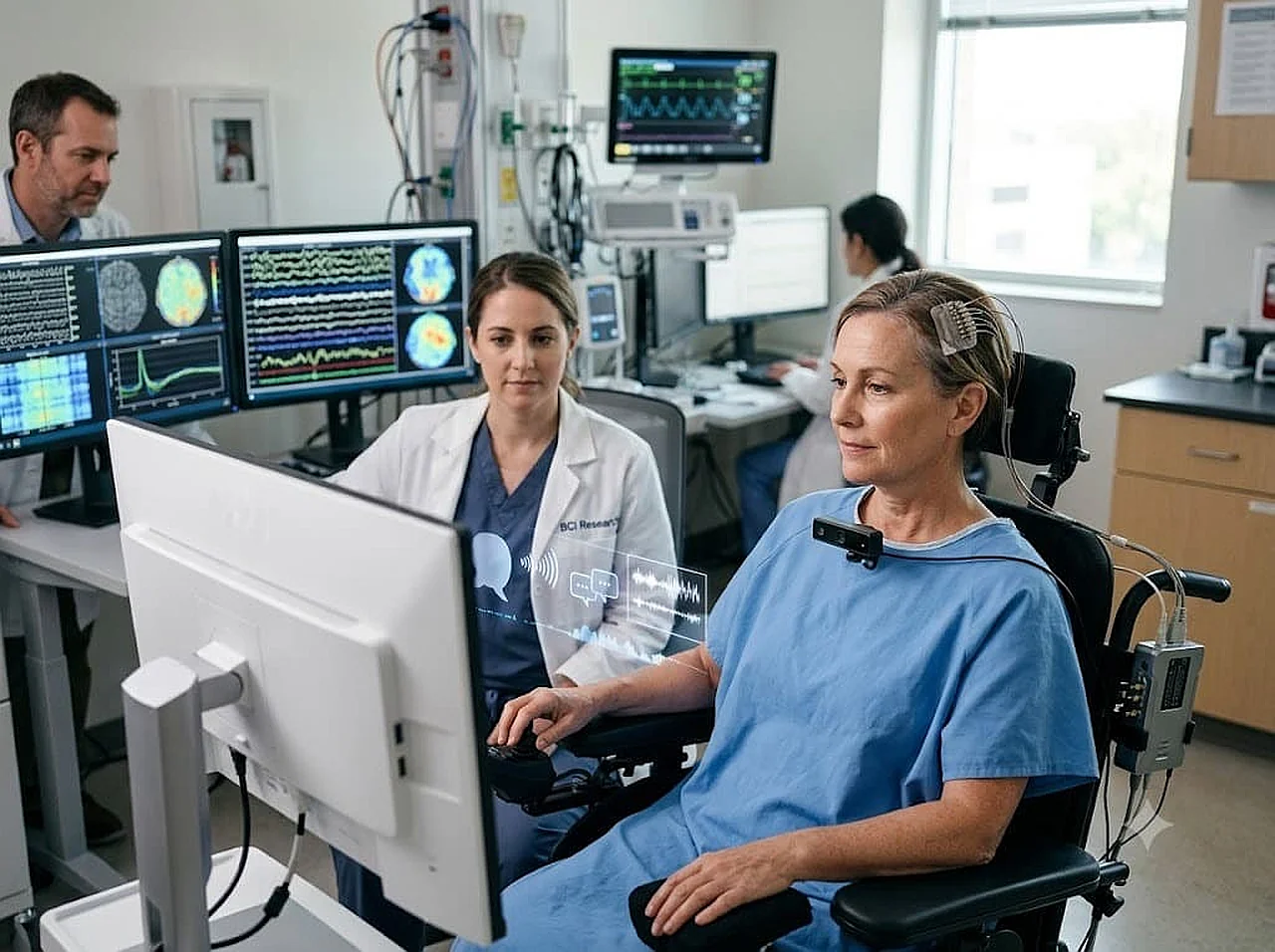
Brain-Computer Interface (BCI) technologies, which provide a direct connection between the human brain and a computer, have entered a stage of rapid development over the last two years. According to clinical trials and medical application analysis, the number of people with implanted electrodes in their brains has more than doubled, reaching nearly 150. These figures indicate that the technology is moving from closed laboratory experiments to real medical practice. This is reported by Ixbt.com report says.
These systems read the electrical activity of the brain and convert it into commands understandable for digital devices or synthetic speech. A prime example of this technology is the case of a patient named Casey Harrell. Suffering from amyotrophic lateral sclerosis (ALS), this individual regained the ability to "speak" and use digital services despite paralysis, thanks to an implant developed by University of California scientists.
Speech Restoration and Digital Communication
The operating mechanism of BCI systems involves a complex process. Electrodes implanted in the cerebral cortex record signals generated when a person attempts to speak. Then, special algorithms break this data down into phonemes — the basic sound units of speech — and synthesize speech using an artificial voice. In Casey Harrell's case, the system even used recordings of his pre-disease voice to allow him to speak in a cloned personal voice.Currently, not only the USA but also China is striving for leadership in this field. According to iXBT.com, companies such as Neuralink, Synchron, Precision Neuroscience, and China's Neuracle are expanding clinical trials. In China, initial official permits for using such systems for medical purposes have already begun to be issued. This signifies the start of a global neurotechnological race.
BCI technologies are divided into several types based on the level of invasiveness:
- Fully implantable systems (electrodes are placed directly inside the brain);
- Minimally invasive solutions (installed on the surface of the cerebral cortex);
- External sensors (read signals over the skull).
Future Challenges and Prospects
As the technology evolves, new functions are being added to the systems, including privacy modes and speech filters. For example, modern algorithms have mechanisms that protect against the patient emitting accidental offensive words or unnecessary sounds. This is a high example of the harmony between AI and neurobiology.However, many problems in the field still await solutions. Questions remain regarding the long-term reliability of implants and why devices stop working over time in some patients. Despite this, BCI technologies are moving past the experimental stage and are initiating a new era at the intersection of medicine and computing systems.


Comments 0
…