


Memory Device Market to Spike: Prices to Keep Rising Until 2028
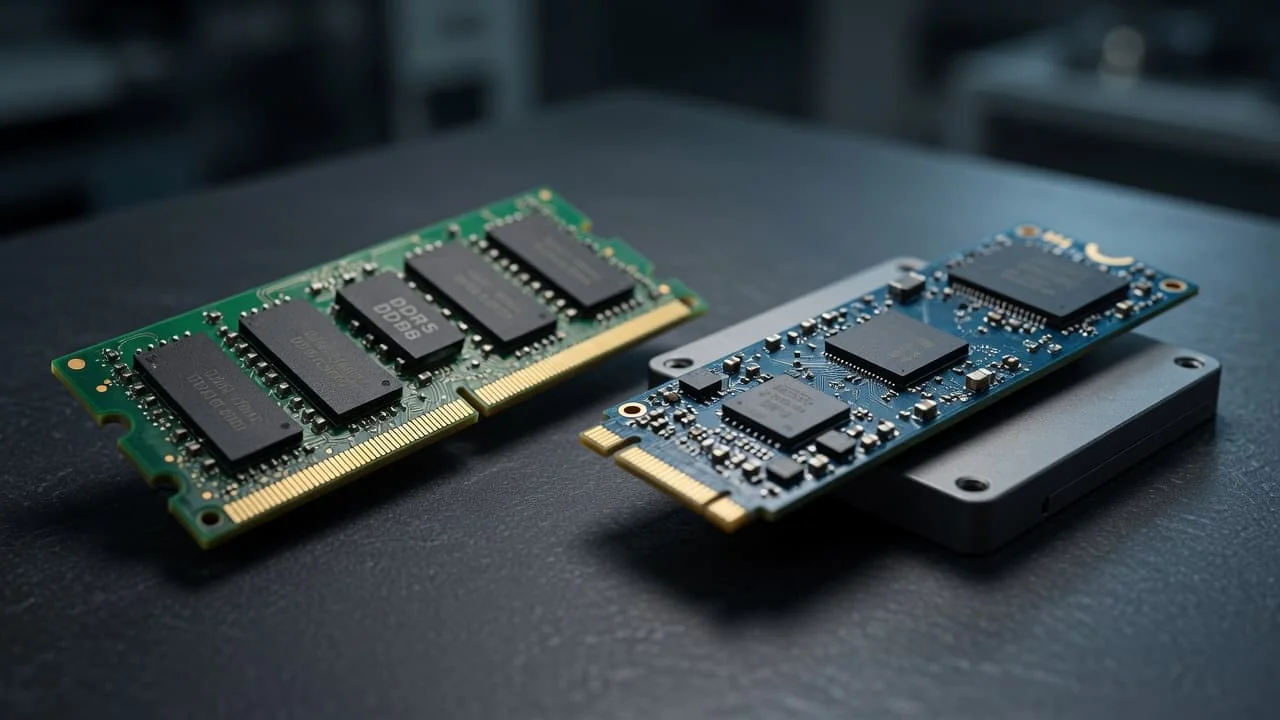
Prices for memory devices (DRAM and NAND) in the global technology market are expected to rise to unprecedented levels in the coming months and years. A new report from analysts at the New York-based investment bank Jefferies Financial Group indicates that the second half of this year will become a serious financial challenge for consumers and manufacturers. This trend will directly affect not only computer components but also smartphones and server equipment. This is reported by Ixbt.com news reports.
According to Jefferies, memory chip prices could jump by 40-50% in the third quarter of this year compared to the previous quarter. A further increase of 30-40% is expected in the fourth quarter. Such a sharp rise will lead to higher production costs for technological devices and increased retail prices for final products. These global fluctuations are bound to be clearly felt in the prices of imported equipment in the Uzbekistan market.
Long-term Shortage and Price Forecast
Experts note that the rate of price growth will not be limited to the current year. Annual price increases of 40% to 45% are predicted throughout 2027. Jefferies analysts state that the market may only stabilize slightly by 2028. Until then, demand will continue to exceed supply.Aletheia Capital, a large independent research company from Asia, also supports these forecasts. Although Aletheia is slightly more cautious, estimating a 30% increase for the third quarter, both organizations agree on one point: the crisis situation in the memory market will not be resolved until 2028. This means it is illogical to expect cheap memory chips for the next four years.
Production Capacities and New Technologies
Although a price drop is expected in 2028, this decrease will be very modest — approximately 15-20%. This is explained by the gradual expansion of global production capacities. For now, manufacturers are focusing all their efforts on next-generation technologies. For example, Samsung Electronics recently announced the development of the industry's fastest Universal Flash Storage (UFS) 5.0 solution.In conclusion, the development of AI systems and the need for high-speed data processing are driving the demand for memory chips to record levels. For consumers, this is a serious signal that they should be prepared for price increases for new gadgets and computer components. In the coming years, memory devices will become one of the most expensive components in the cost of technological products.


Comments 0
…