


US Bans Foreign Robots and Inverters Citing National Security
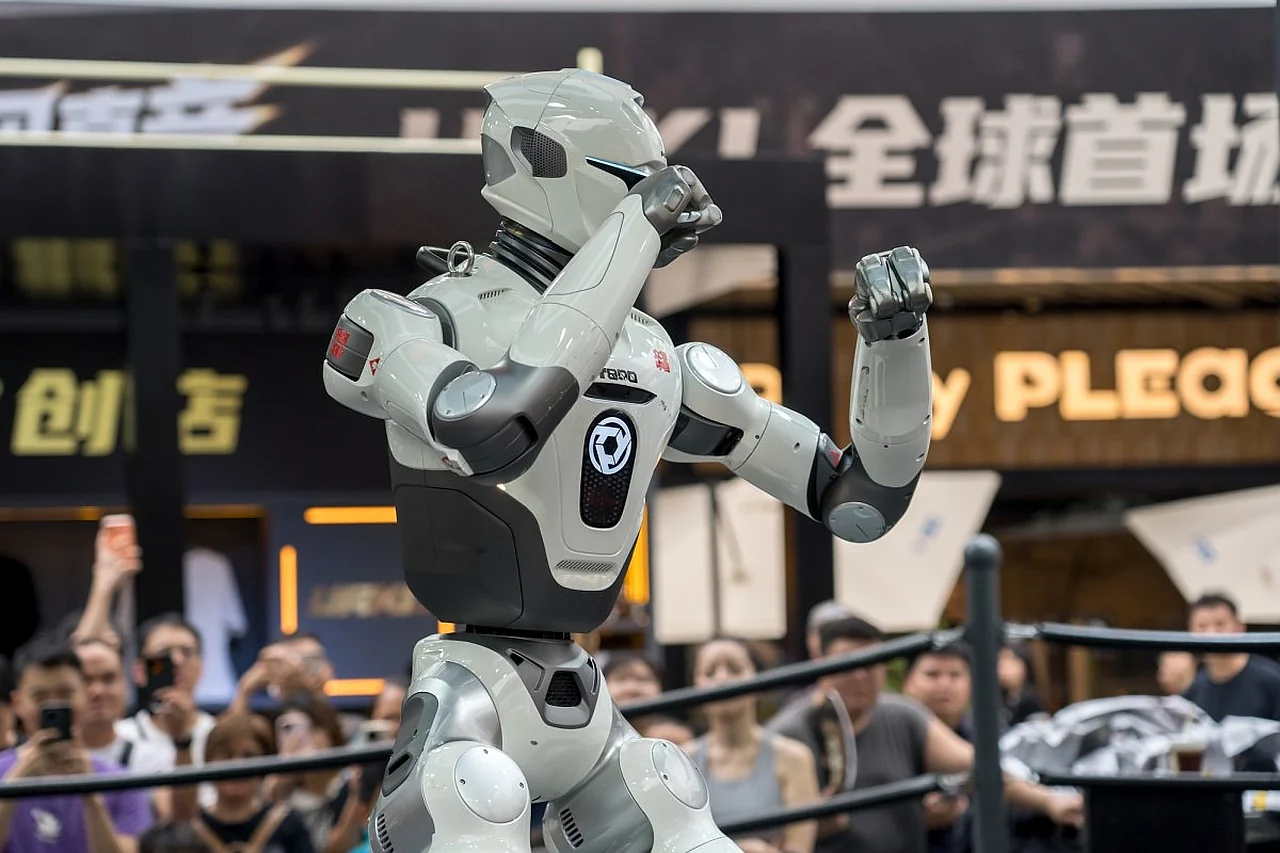
The US government has banned the import of newly manufactured foreign humanoid robots, robot dogs, and power inverters, citing an “unacceptable” threat to national security. According to ixbt.com, this restriction primarily targets Chinese products, as official Beijing currently dominates a massive share of this global market. The US Federal Communications Commission (FCC) announced this decision on Thursday, aiming to protect the country's infrastructure from cyberattacks and potential espionage risks, Techcrunch.com reports .
The commission's statement emphasizes that foreign-made devices could be remotely controlled by foreign governments, used for espionage purposes, or deployed to launch cyberattacks. However, the regulator noted that exceptions may be made if it is proven that a specific device poses no threat to US national security. Washington has long accused China of launching cyberattacks against US businesses, stealing data, and preparing for future military objectives.
Technology Market and Scope of the Ban
The technologies affected by this ban are at varying stages of development. In particular, humanoid robots are not yet widespread and remain largely in their early developmental stages. According to reports, only about 15,000 such robots were shipped globally in 2025, with the majority coming from two major Chinese manufacturers. At the same time, power inverters are widely used in US homes to connect solar panels and other renewable energy sources to the grid.Officials noted that the restriction applies only to newly imported devices and will not affect existing equipment already installed and operating in homes and infrastructure. In recent years, the US has taken a series of measures against Chinese companies. Examples include forcing the transfer of TikTok to US investors, as well as bans on foreign consumer routers and Chinese video surveillance equipment manufacturers such as Hikvision and Dahua, which have been accused of human rights violations.


Comments 0
…