


Smart Water Heaters: Reservoir Unveils a New Device for Homes and the Power Grid
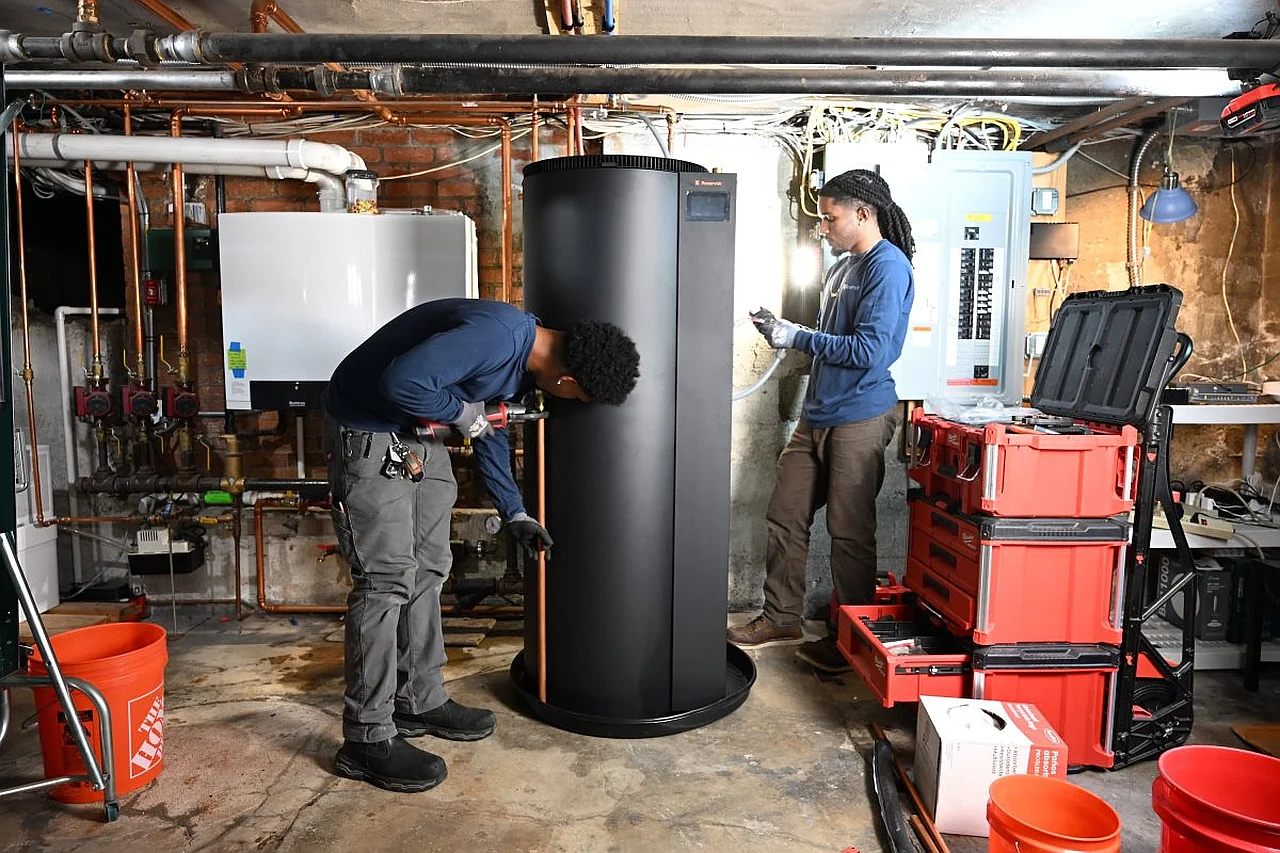
It is time to fundamentally modernize water heaters, one of the most overlooked yet energy-intensive household appliances. People usually remember these devices only when cold water comes out of the shower or in an emergency. They account for nearly 18 percent of a home's energy budget and are one of the leading causes of residential flooding. According to information circulated by ixbt.com and other technology publications, Reservoir, the startup tackling this problem, has secured $8 million in funding to develop its smart water heaters, as Techcrunch.com reports .
Luke Winston-Almanzar, former chief business officer of 3D-printing company Formlabs, founded Reservoir with Gabriel Pari-Amon and Jake Felser. He says traditional water heaters are completely unintelligent, and the energy they consume can exceed the power required to drive an electric vehicle. The newly raised $8 million in seed funding was led by Asymmetric Capital Partners, with participation from Founder Collective and MCJ.
Smart Technology and Grid Stabilization
Following the funding round, the company is expanding installations of its devices in homes across Boston, its first market, and the surrounding areas. So far, Reservoir has installed approximately 100 devices and plans to reach 1,000 by the end of next year. Winston-Almanzar emphasized that this would represent megawatt-scale capacity, and that storing megawatt-hours of energy as hot water could make a major contribution to stabilizing the power grid.Unlike most conventional devices, Reservoir can predict consumers' hot-water needs in advance. This allows the system to heat the tank when demand for electricity is low and prices are cheaper. In addition, the device's heat pump is nearly four times more efficient than a standard electric water heater and five times more efficient than a natural-gas version.
Convenience for Consumers and Future Plans
The startup's representatives understand that although grid specialists may value energy-storage capabilities, ordinary customers cannot be won over by that alone. Most people buy whichever water heater a plumber has available when their existing unit breaks down. That is why the Reservoir team is guided by the principle that an environmentally friendly product must also be the most convenient option.To create a device that people would actively seek out and buy, the company equipped it with a range of features not found in conventional water heaters. In particular, predictive heating is closely integrated with energy storage. Once a Reservoir device is installed in a home, it learns water-consumption patterns during the first month and trains a dedicated artificial intelligence model. After training is complete, the system activates the heat pump at the most efficient and economical times to save money while maintaining an adequate reserve.
In the future, Reservoir plans to aggregate its fleet of devices and participate in utility demand-response programs. Such programs can provide large consumers with substantial income in exchange for not drawing power from the grid at certain times. Winston-Almanzar said the company is exploring ways to use these payments to keep Reservoir products affordably priced.


Comments 0
…