


Neurobiologists Discover a New Mechanism for Brain Tissue Repair
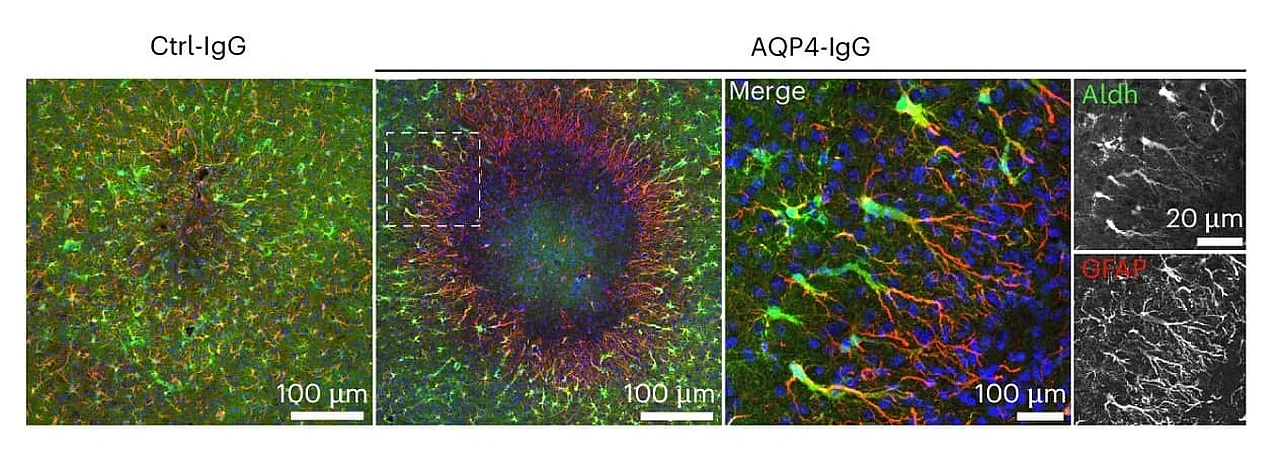
A team of neurobiologists from the University of Zurich has discovered a previously unknown repair mechanism in astrocytes—star-shaped glial cells that maintain brain tissue integrity and nourish neurons. According to ixbt.com, this scientific finding could fundamentally change our understanding of the human brain’s ability to recover after injury. Ixbt.com reports .
During the study, researchers conducted unique experiments on live mice using two-photon microscopy. The results showed that when the brain is injured, a special group of “regenerative astrocytes” does not simply divide in place. Instead, it directs the nuclei of daughter cells along its long processes toward the damaged area.
A Unique Migration Process and Tissue Repair
Once the nuclei reach the damaged area, they rebuild the astrocytic network, effectively “stitching” the tissue back together. This complex process occurs in several stages: first, the nuclei actively migrate through the cellular processes, after which specific genes and signaling pathways responsible for repair are activated. As a result, the cells fully reconstruct their network and restore tissue functions.Astrocytes are known to support the brain by supplying neurons with essential nutrients, modulating blood flow, and maintaining a healthy environment. If they are severely damaged or destroyed by autoimmune diseases, the brain becomes unable to withstand external influences and injury.
Future Medical Prospects
During this process, the researchers identified numerous genes and signaling pathways that are temporarily activated. According to the specialists, these genes could eventually become key therapeutic targets for deliberately influencing the repair of brain tissue after trauma and various severe diseases.This scientific discovery marks an important turning point in medicine. It moves the brain out of the category of “organs that undergo irreversible degradation after injury” and places it among systems that retain hidden self-repair mechanisms that can be selectively activated.


Comments 0
…