


US Space Force Funds Satellite Launches Using Centrifugal Force
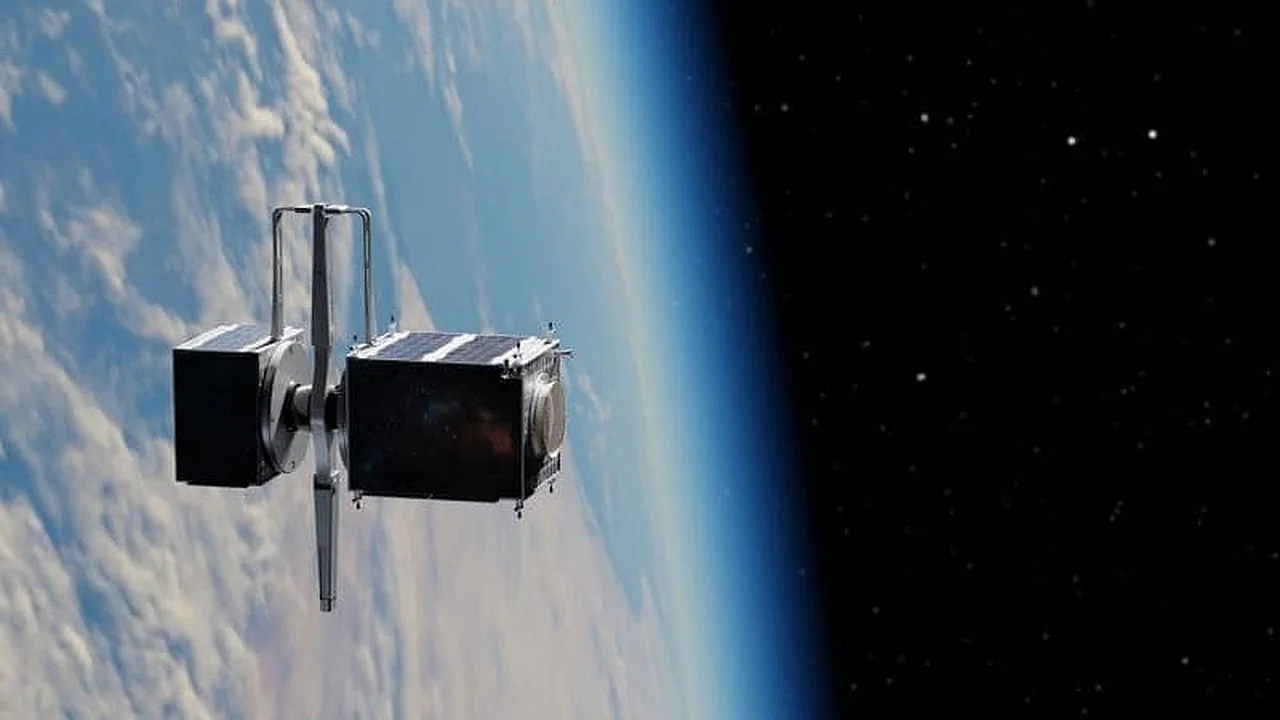
The US Space Force has funded a new technology that could fundamentally transform access to space and the delivery of payloads into orbit. According to ixbt.com, startup Space Kinetic has secured a $50 million OTA contract to develop the Whirlwind system, designed to launch spacecraft without fuel. This was reported by Ixbt.com reports .
This innovative idea is based on the principle of the ancient sling weapon. According to CEO Ryan Sullivan, the electromechanical system spins a payload at high speed using centrifugal force and launches it into space. The satellite then uses its own engines to continue toward the required orbit or destination.
Overcoming the Rocket Equation’s Limitations
Centrifugal acceleration makes it possible to bypass the strict limitations of the traditional rocket equation. The primary energy required for initial velocity comes not from chemical fuel, but from mechanical tension. Since the Whirlwind launcher is not tied to a specific payload type or orbital profile, it is considered a highly flexible solution.The company says the system could support missions such as space-based reconnaissance, communications, scientific probe delivery and even space debris inspection. However, its main focus is the “drone economy” in space, where the service lives of inexpensive satellites could be measured in minutes rather than years.
The Concept of Attritable Payloads in Space
This approach is the complete opposite of traditional multiyear missions and heavy spacecraft costing millions of dollars. The concept of an expendable payload, known as an “attritable payload,” has a defined “service life” and opens a new chapter in modern space strategies.It is worth noting that Space Kinetic has already achieved several milestones. The startup received a multimillion-dollar contract from DARPA to adapt its architecture for an asymmetric missile defense system. The company was also selected for the SpaceWERX Adaptive and Intelligent Space Challenge program.
The team now has 50 employees, a prototyping laboratory is operating in Albuquerque, and a new office is being opened in El Segundo. Specialists have not yet announced the date of the first orbital test; ground-based technology testing and negotiations with integration partners are currently underway.


Comments 0
…