


Expansion of the Starlink V3 orbital constellation to begin in 2026
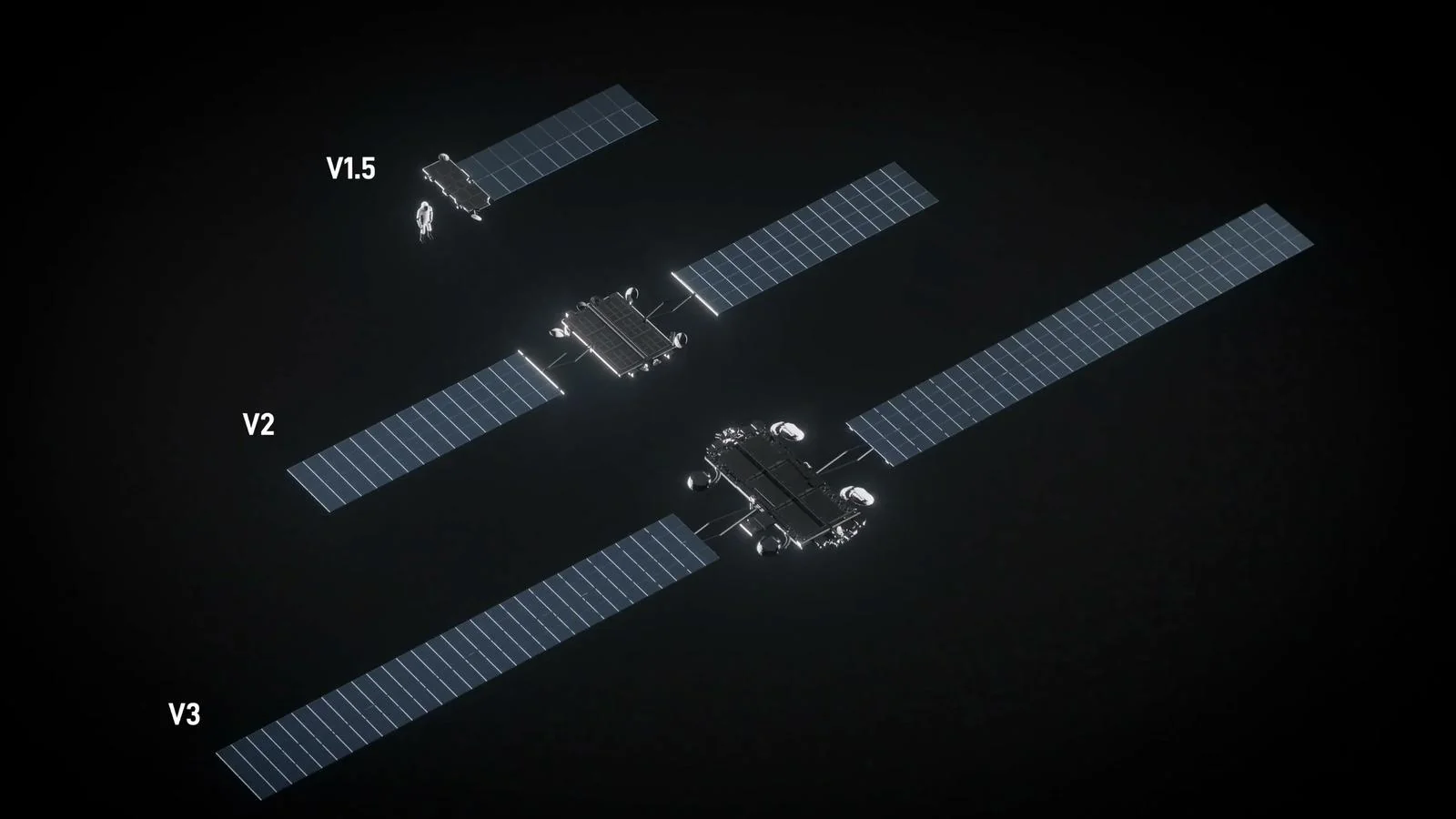
Huge changes are on the horizon in the field of space technology. According to Elon Musk, SpaceX will soon begin launching the new generation of Starlink V3 satellites, which will dramatically increase network capabilities. This is reported by Ixbt.com .
According to the publication, the new series of spacecraft will provide more than a hundred times higher throughput compared to the current system. Currently, about 11,000 such devices are operating in Earth's orbit.
Technical advantages of the new generation
This project is expected to be the largest technological leap since the inception of the Starlink network. The launch of the first batch of Starlink V3 is planned for the next—the fourteenth—test flight of the Starship rocket.According to the plan, this rocket will carry 26 new satellites into space in a single flight. Each device is expected to add approximately 1 Tbit/s of throughput capacity to the network.
As a result, a single space mission could immediately increase the network's total capacity by 26 Tbit/s. For comparison, this figure is ten times higher than the results obtained from the previous generation of Starlink V2 mini devices.
Orbital processes and additional tasks
Once in space, Starlink V3 units will deploy their solar panels and special antennas. After that, they will begin establishing communication with Earth and the general constellation using radio frequencies and lasers.At the same time, the satellites will use their onboard engines to climb to the required altitude. Once orbital tests and checks are successfully completed, they will begin serving customers directly within a few weeks.
Additionally, three new satellites are equipped with a set of special cameras that will scan the heat shield of the Starship rocket. These images will be transmitted to operators to assess the rocket's readiness for return in future flights.


Comments 0
…