


NASA Administrator: US Must Land on the Moon Before China
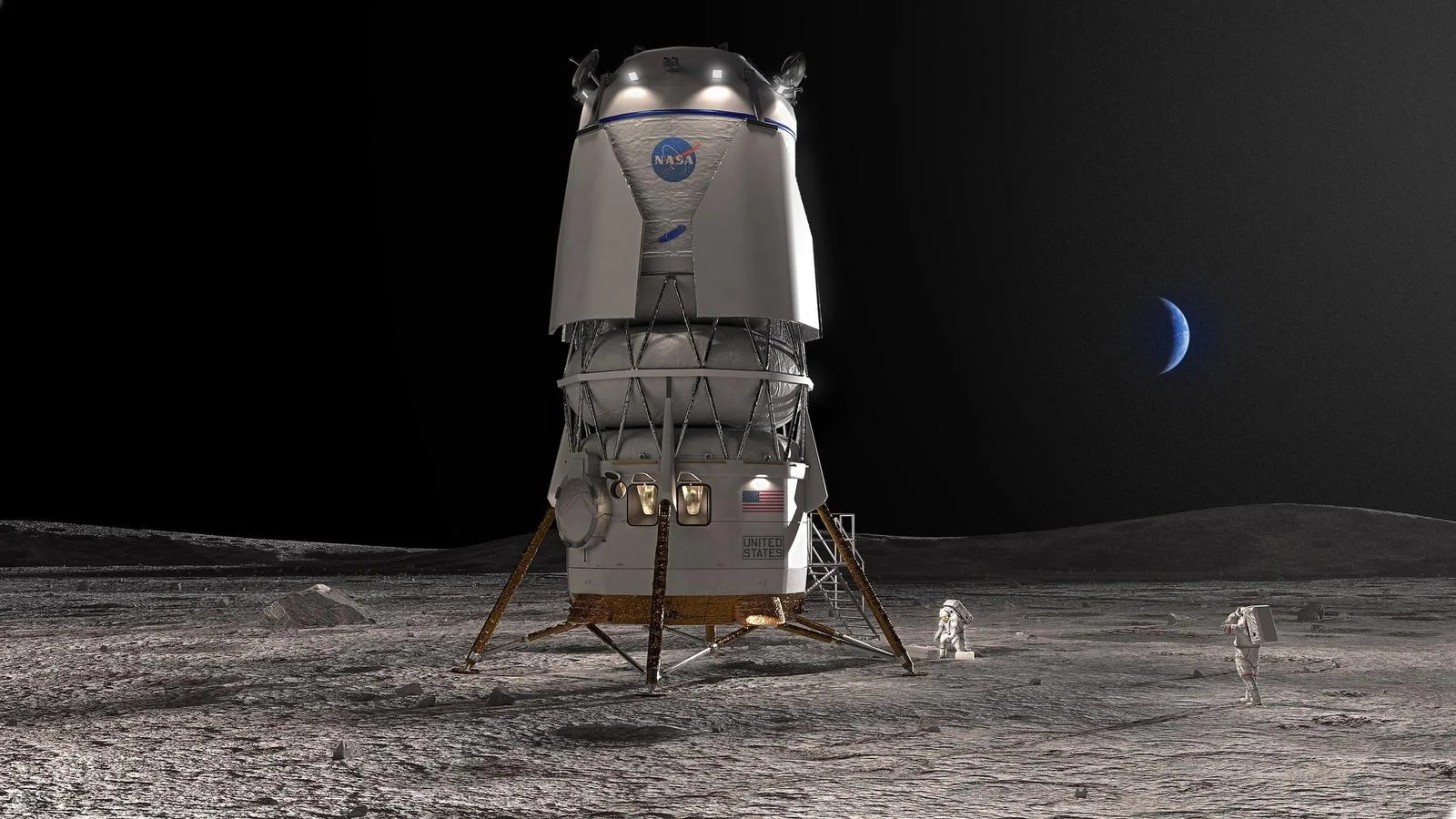
The US must land on the Moon before Chinese astronauts, as the outcome of the new space race could significantly impact not only space programs but also international alliances, technological standards, and American global influence. This was stated by NASA Administrator Jared Isaacman. He emphasized that this competition has become a critical component of the country's national security. This is reported by Ixbt.com reports .
Currently, NASA plans to land humans on the lunar surface by 2028, while China has scheduled its crewed mission for 2030. However, as reported by ixbt.com, if American experts fail to adhere to the schedule, there is a possibility that Beijing could overtake the United States. This could be decisive for the future geopolitical balance.
The Moon's South Pole and limited opportunities
The primary area of the new space race has been identified as the Moon's south pole. This region is highly likely to contain mineral resources, and its conditions are well-suited for testing technologies necessary for future missions to Mars. At the same time, suitable locations for landing and operations are very limited.Isaacman compared these areas to "limited parking spots" and noted that both countries are vying for them. The party that arrives first could directly influence which technologies other nations develop, whose standards they adopt, and with whom they cooperate in terms of security.
Historical parallels and military cooperation
The NASA Administrator recalled the 1969 Apollo 11 mission, assessing it as a brilliant demonstration of US capabilities. In his view, if China succeeds first this time, it could negatively impact American influence and lead to adverse consequences.In this regard, Isaacman expressed support for strengthening cooperation between NASA and the Pentagon. Although both agencies remain separate entities, it is appropriate for them to jointly develop operations and technologies in cislunar space, as well as space nuclear power projects.
According to the expert, separate efforts by the two agencies lead to the dissipation of limited resources. Joint investments would allow for more efficient use of the capabilities of civilian and military space programs.


Comments 0
…