


SpaceX has stopped accepting orders for the Falcon 9 rocket
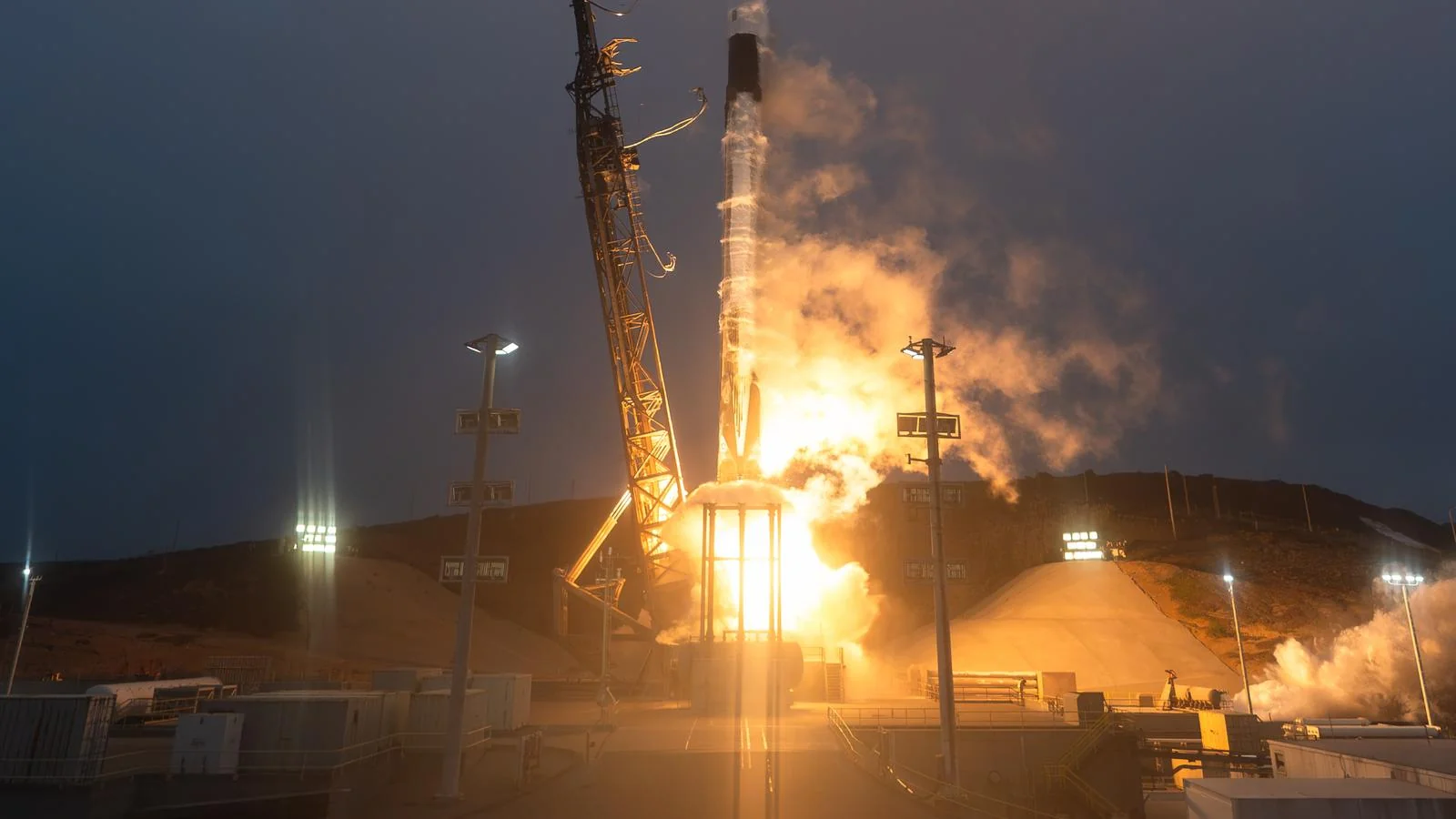
The global commercial space industry has begun preparing for the gradual phase-out of the Falcon 9 rocket. According to ixbt.com, although SpaceX has not made an official announcement, industry representatives note that booking new commercial missions for this legendary launch vehicle has become practically impossible. This is reported by Ixbt.com .
Over the years, Falcon 9 has become the primary workhorse of global astronautics. The rocket has completed nearly 700 flights, successfully delivering government and commercial satellites, scientific instruments, lunar missions, and clusters of small spacecraft into orbit. The company's own Starlink network was also built using this rocket, and now SpaceX is gradually shifting its priorities toward Starship.
SpaceX President Gwynne Shotwell previously emphasized that the company intentionally replaces its successful products with new technologies, otherwise competitors will do it. The first signs of the transition period were noticeable early in the year, when the company stopped accepting applications for joint flight programs beyond late 2028 or early 2029.
Challenges facing the commercial market and small operators
According to recent reports, purchasing an individual commercial mission has now become difficult, which significantly complicates the planning of future flights. Small satellite companies are expected to feel the most severe consequences, as the rideshare program, which allows multiple customers to share a single rocket, was their primary path to space.Giulio Ranzo, CEO of the Italian company Avio, stated that former customers are reaching out to them in search of alternatives. According to him, as the availability of Falcon 9 diminishes, the market is facing a situation where "the party is over." The period between 2029 and 2031 is expected to be particularly critical.
Alternative rockets and the future of the market
Industry experts hope that new launch vehicles will fill the void. Rocket Lab is preparing the Neutron rocket, Relativity Space is working on Terran R, and in Europe, Isar Aerospace and PLD Space are developing their own rockets. However, the main problem remains not the maiden flight, but quickly reaching a regular flight schedule.Experience from recent years shows that this stage takes longer than expected. Although Blue Origin's New Glenn and ULA's Vulcan rockets have completed their debut flights, they are not yet flying at a high frequency, and Europe's Ariane 6 rocket has not yet reached its planned commercial pace.
Therefore, it is possible that between 2029 and 2031, Falcon 9 will almost disappear from the commercial market, Starship will focus on internal tasks, and new rockets may not have enough time to build up sufficient flight frequency. Some companies have already started reserving capacity: D-Orbit has reached agreements with alternative operators, while Portal Space Systems has purchased a Falcon 9 for its Supernova mission and is reselling a portion of the spare payload capacity to other customers.


Comments 0
…