


Trump talks about victory: Iran's true power remains a mystery
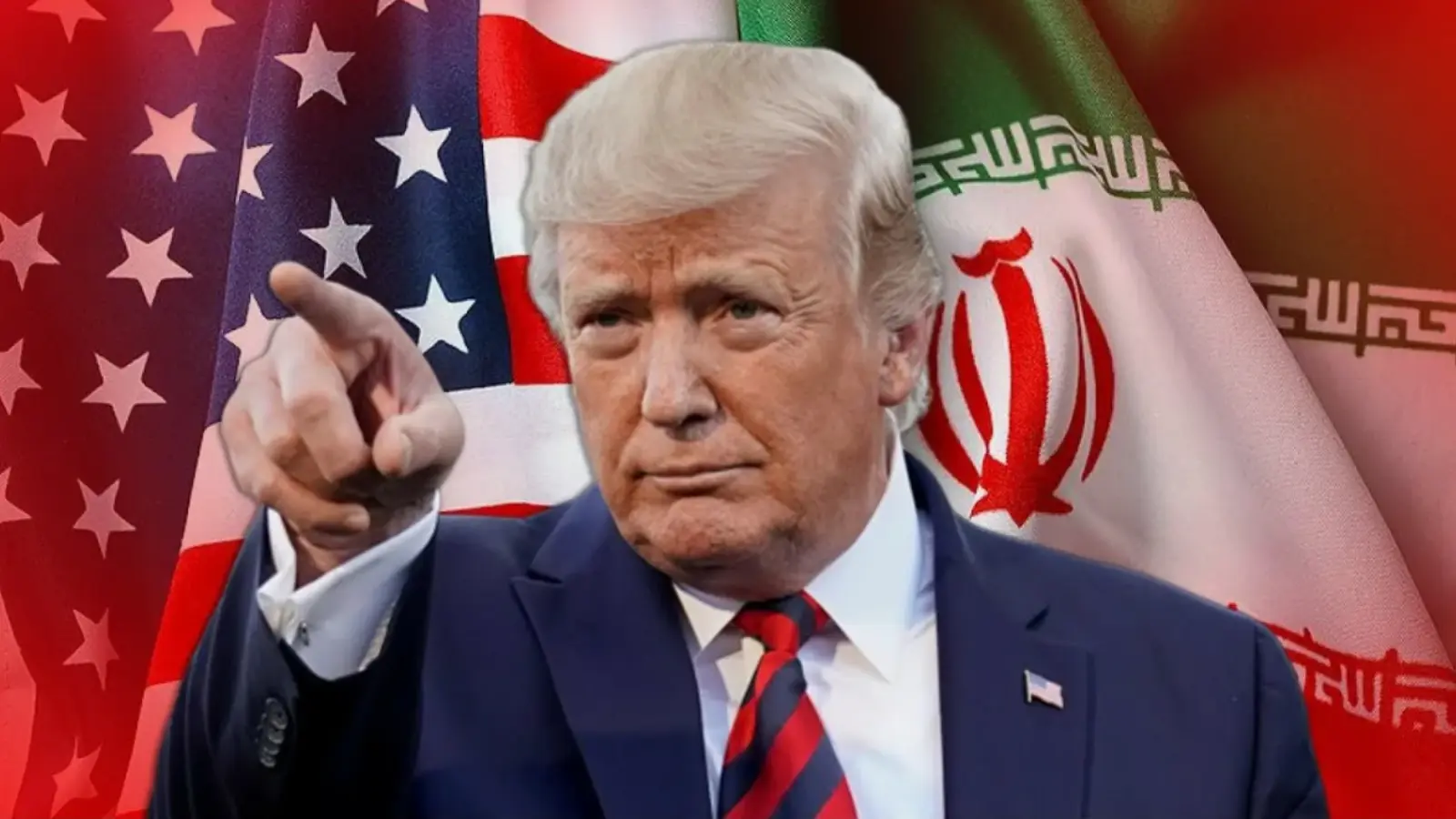
The geopolitical situation in the Middle East has become unimaginably tense. While the White House leader is declaring victory, the unfolding events show a completely different picture. Zamin.uz presents analytical data on the results of the second week of this complex conflict and the hidden capabilities of the parties.
This week, US President Donald Trump announced at a meeting with journalists that America has achieved complete dominance over Iran. According to him, "everything was resolved in the first hour." However, there is a significant discrepancy between the White House's firm belief and the actual situation.
Victory or strategic silence?
If Iran's air and naval forces have been defeated, why is the Strait of Hormuz, through which one-fifth of the world's energy resources pass, still closed?
- Air Carrier Distance: Great U.S. ships are at a safe distance, not daring to approach the shores of Iran.
- Base in Romania: Washington's request for additional space at the Konstansa airfield, 1,500 kilometers from Iran, is more like preparing for a long-term and dangerous defense than a victory.
Iran's "hidden fortresses" and new leader
Iran, which had lived under strong sanctions and isolation for decades, has become a "black horse." Behind the Western walls, Tehran has formed a military potential that Washington can't even imagine:
- Underground Missile Cities: The true size of the massive arsenals located in the mountains remains a mystery even for Israeli intelligence.
- Mosaic defense: Each province has the ability to fight independently even without central governance.
The new Supreme Leader: Mujtabo Khamenei, who lost his father, Ali Khamenei, and his entire family during the bombings, emerged as Iran's new leader. In his very first statement in office, he demanded that the US compensate for the damage caused and completely destroy American bases in the region. He has no intention of surrendering.
Infrastructure warfare and "fly fleet"
Although large Iranian ships, such as the Shahid Suleymani, have been sunk, Tehran's "fly fleet" - thousands of unmanned boats and drones - still poses a threat.
Pain points:
- Oil storage facilities: The largest storage facilities in Kerman province and fuel reservoirs in Bahrain are engulfed in flames.
- Port crisis: Tankers in Oman's Salalah and Iraq's Basra ports are burning like "torches."
- Strike on Dubai: The international financial center in the heart of Dubai was damaged by a drone attack.
Weakness of the "Iron Dome"
Iranian missiles and drones regularly "pierce" Israel's air defense systems, which are considered the best in the world. Iranian parliamentarian Mohammad Bager Galibaf stated that they have fully identified the weaknesses of the enemy's defense.
The biggest question now is whether the ground operation will begin or not. Israel has already deployed 20,000 troops to Lebanon, but entering Iran's interior territory promises enormous risks.
Do you think Trump's promises of "quick victory" will become reality, or will Iran's underground "missile cities" completely change the course of the war? How will such an escalation of the situation affect the global economy?



Comments 0
…