


Hungary Election Reshapes Europe’s Political Balance
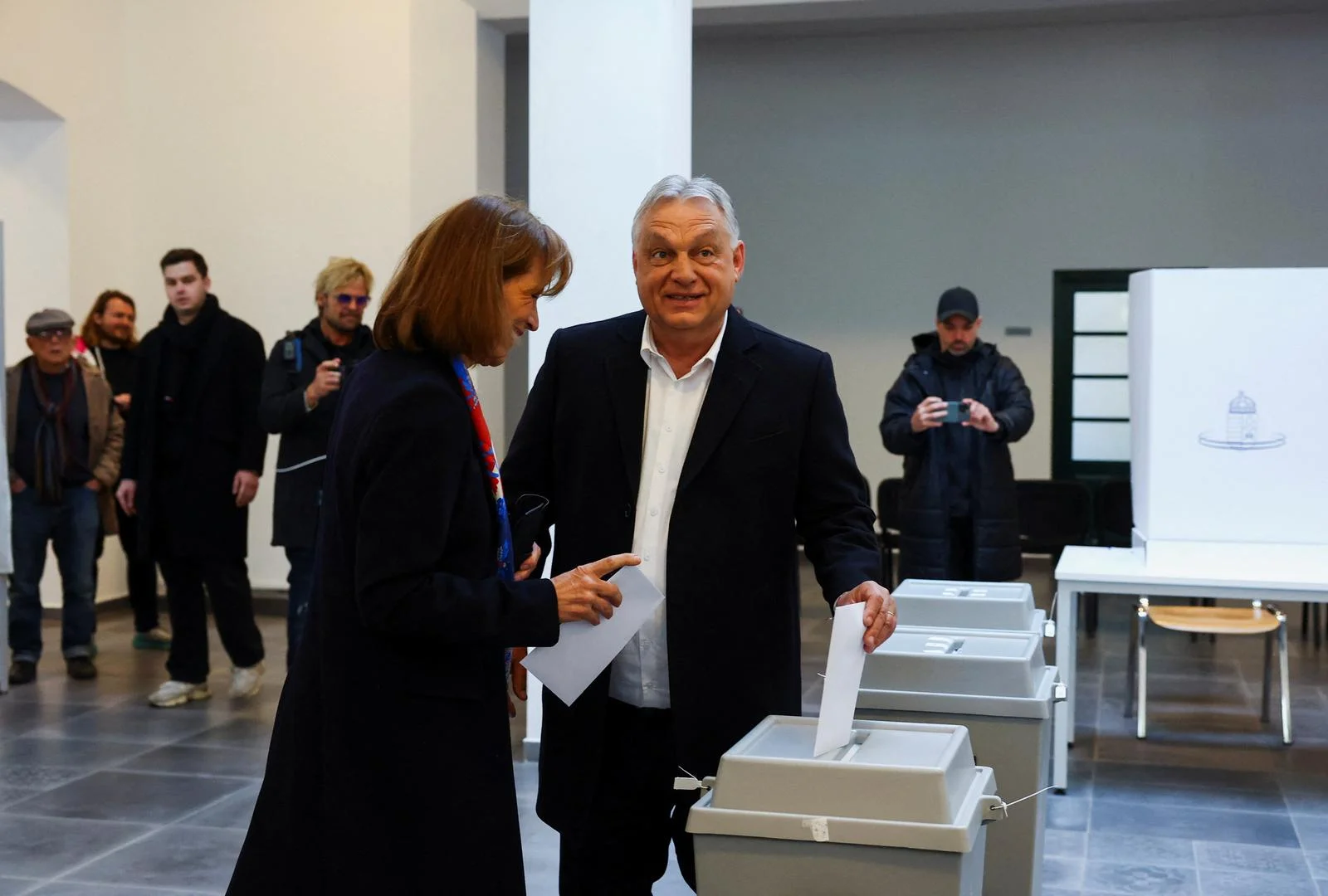
Yesterday, on April 12, the parliamentary election held in Hungary had a serious impact on the political landscape of the country and the entire European Union. According to the results, a 16-year period of rule has come to an end, and the balance of political forces has changed drastically.
The opposition led by 45-year-old Peter Magyar and his “Tisza” party gained dominance in parliament. The 62-year-old incumbent prime minister Viktor Orban suffered defeat in the election.
According to the results of nearly 99% of counted votes, out of 199 parliamentary seats, 138 went to the opposition, while the “Fidesz” party was limited to 55 seats.
Reaction of local channels and politicians
The Telegram channel “Fayzbog” provided a detailed commentary on the election, assessing the result as a defeat not only for Orban but also for global political centers. According to the channel’s analysis, the political line supported by Donald Trump, as well as the strategy of closer ties with Russia, did not affect the election outcome.
“Fayzbog” noted that Viktor Orban had long held a special position within the European Union, but voters have grown tired of this policy.
The Telegram channel “Davletov” evaluated the situation even more sharply, calling Orban’s defeat a “signal of Hungary’s return to Europe.” According to the channel, Hungarian voters chose to reject an authoritarian style of governance.
Opinions of the political scientist and analysts
Political scientist Otabek Akromov stated that Orban’s defeat was a serious blow to the international populist camp. In his view, Viktor Orban was perceived not only as a politician but also as a symbol of the “anti-liberal order.”
Akromov emphasized that Orban’s “illiberal democracy” model had previously served as an example for leaders such as Donald Trump and European right-wing movements, but now this model shows signs of weakening.
Analyst Muhammadqodir Sobirov called the result the “end of a 16-year political era.” According to him, Orban’s policies led to Hungary’s strong dependence on Russian energy resources, creating challenges for the new government.
International impact
According to several international analysts, Orban’s departure, known for his close relations with Vladimir Putin, may shift the political balance within the European Union.
Experts believe that the new political phase in Hungary may signal the beginning of a new direction in European politics.
Overall, the Hungarian parliamentary election is seen not only as an internal political shift but also as an important signal of potential changes for global populist movements.



Comments 0
…