


Byzantine City Hidden Under the Sands Discovered in Egypt
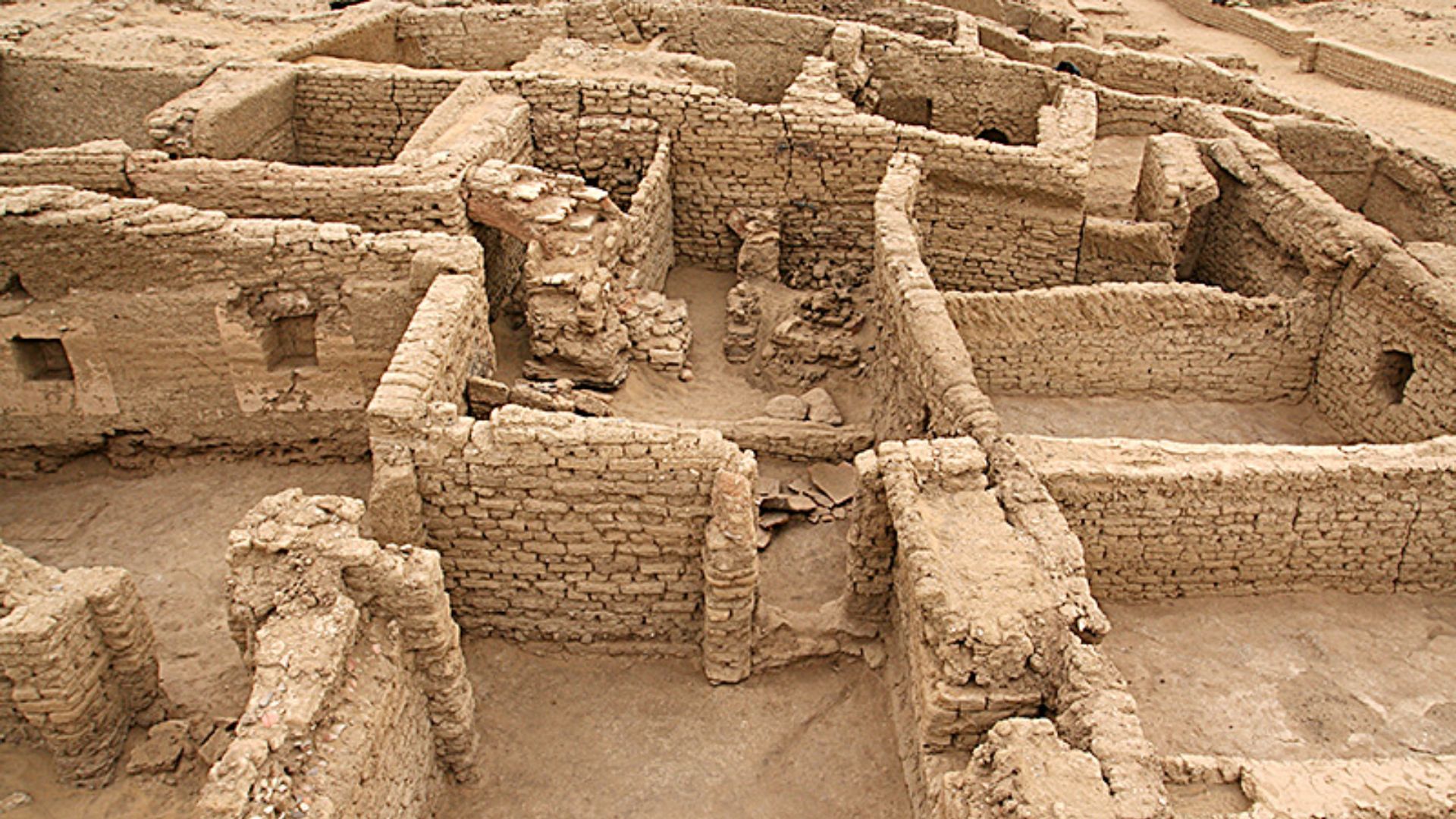
In Egypt, archaeologists have uncovered significant findings that shed further light on the country's history. In the Dakhla Oasis, located in the Libyan Desert in the west of the country, the remains of a 4th-century city dating to the Byzantine Empire period were discovered. Additionally, 18 ancient tombs were identified in the Marina el-Alamein area near Alexandria. This was reported by Associated Press citing data from the country's Ministry of Tourism and Antiquities.
According to reports, the layout of an ancient city with streets intersecting in north-south and east-west directions was identified in the Dakhla Oasis. Around the main streets, remains of a temple, two watchtowers, defensive structures with thick fortified walls, and domed residential buildings were found. One archaeologist noted that a structure identified as a deacon's (priest's assistant) house also served as a church before the temple was built.
During the excavations, bread-baking ovens, kitchen utensils, and stone tools used for grinding products were also found. Additionally, well-preserved bronze coins bearing images of Byzantine emperors, Latin inscriptions, and Christian symbols, as well as gold coins dating to the reign of Roman Emperor Constantius II (337–361), drew the archaeologists' attention.
In the Marina el-Alamein area, 18 ancient tombs were discovered — 11 carved into rock and 7 built above ground. Pottery vessels, amphorae, lamps, plates, altars, limestone bowls, four gold coins placed in the mouths of the deceased during burial rites, a 2.5-meter granite sarcophagus containing skeletal remains, and fragments of a plaster sphinx statue were also found there.
Experts emphasize that these findings provide an opportunity to better study life, urban planning, religious traditions, and burial practices in Egypt during the Byzantine and Roman periods. These discoveries are of great importance in illuminating the country's rich archaeological heritage.


Comments 0
…