


Split in the 'Islamic NATO': Pakistan refuses to defend Saudi Arabia
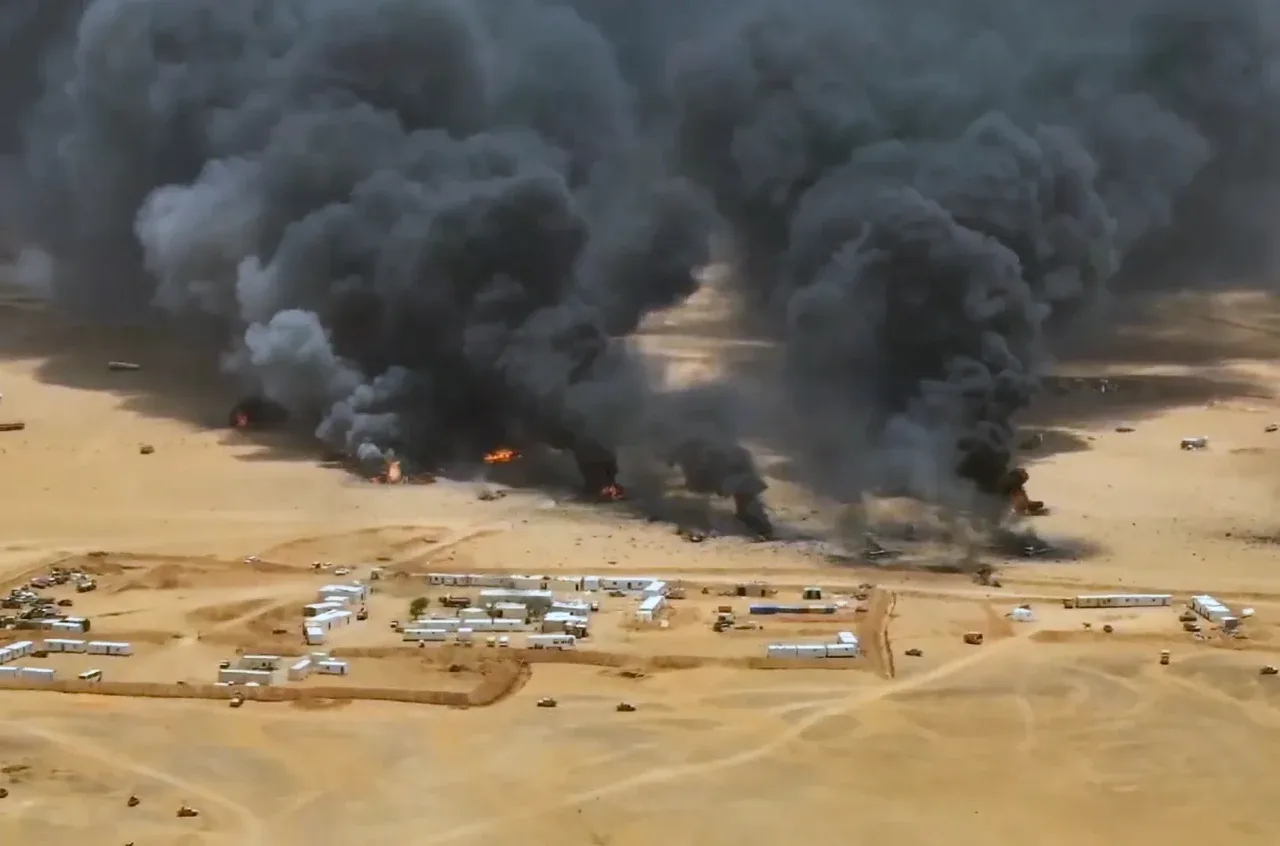
The powerful defense alliance in the Islamic world, established just a month ago with great fanfare and hailed in global politics as an 'Islamic NATO', has faced an irreconcilable conflict at its first serious test. At a time when Yemeni Houthis have broken a four-year truce and begun raining down missile and drone strikes on the southern cities of Saudi Arabia, one of the allies — Pakistan — has unexpectedly refused to provide military assistance to Riyadh. According to a report by the influential Reuters news agency, Islamabad officially announced that despite the trilateral defense treaty signed on August 7, such intervention is not currently being considered.
So, what excuse is Pakistani diplomacy using while cities in southern Saudi Arabia are engulfed in flames, why was the rule that 'an attack on one is an attack on all' pushed aside, and what lies behind this decision by Islamabad, which is considered the nuclear power of the Muslim world?
Flashpoint: Strikes on southern cities and the 'NATO-style' agreement
The relative peace that had been maintained along the Red Sea for 4 years shattered in an instant:
The collapse of the four-year truce: The 'Ansar Allah' (Houthi) movement has resumed large-scale military operations against Saudi Arabia;
Cities under missile fire: The Houthis are carrying out relentless attacks with ballistic missiles and strike drones on the Saudi cities of Abha, Khamis Mushait, Jizan, and Najran;
Riyadh's crushing response: The Saudi Air Force is launching powerful airstrikes on the provinces of Marib, Taiz, Hodeidah, and Al-Jawf, which are under Houthi control;
The historic alliance in Mecca: Just a month ago, on August 7, 2026, a historic collective defense treaty was signed in Mecca between Turkey, Saudi Arabia, and Pakistan, similar to NATO's Article 5, where an attack on one participant is considered an act of aggression against all.
First party strike: Saudi Arabia and the demand for collective defense
Riyadh officials, relying on the Mecca agreement, had expected practical military action from their allies as a strategic deterrent force:
Collective security duty: The Saudi side argues that the three-nation bloc should respond decisively to common threats in the region, and that the Pakistani army, with its nuclear potential, should actively participate in protecting the borders;
Cities and energy security: The kingdom, under missile fire, considers itself a victim of aggression and views the immediate activation of the treaty's defense clauses as a logical step.
Second party response: 'Not now, when the time comes...'
However, the statement from Islamabad stopped the sharp military mobilization expected by Riyadh like a cold shower:
Refusal to provide aid: Sajjad Haider Khan, an official spokesperson for the Pakistani Ministry of Foreign Affairs, stated that the issue of helping Saudi Arabia in the fight against the Houthis is not on the agenda at all at the moment;
Delaying the situation: The diplomat emphasized that Pakistan could only act 'when the time comes' and in accordance with the terms of the treaty, avoiding specific deadlines and plans;
The danger of regional neutrality: Given that Pakistan shares a border with neighboring Iran and that Tehran is behind the Houthis, Islamabad does not want to ruin relations with Tehran or be drawn into a foreign war.
'Nothing like this is being discussed for now... We will act in accordance with the agreement only when the time comes,' emphasized Sajjad Haider Khan, the official spokesperson for the Pakistani Foreign Ministry.
The scales: Who is winning, who is in a strategic trap?
This diplomatic disagreement has revealed the real capabilities and losses of the parties:
Evaluation criteria | Saudi Arabia's position | Pakistan's position |
Military need | Needs additional force to protect southern borders and cities from missiles | Does not want to throw its army into the vortex of the Yemen war |
Treaty obligation | Demands full and immediate implementation of the Mecca agreement | Interprets the agreement as applicable only to major geopolitical conflicts |
Geopolitical pressure | Attempting to demonstrate a powerful Muslim alliance against Iran | Prefers to remain neutral to maintain peace on the border with Iran |
Loss or gain | Faced with the risk of being left alone against the backdrop of an ally's silence | Preserving its military while at risk of losing Saudi financial support |
On one side of the scale stands Saudi Arabia, whose territory is being bombed and which relied on the commitment of its allies, and on the other side stands Pakistan, which is calculating economic and political risks and delaying the implementation of the paper agreement. This confrontation casts a serious shadow over the future of the Turkey-Saudi-Pakistan alliance.
Do you think Pakistan's avoidance of helping Saudi Arabia is a correct strategy to protect national interests or a betrayal of the signed defense treaty? Could this decision lead to the collapse of the recently established trilateral 'Islamic NATO' bloc? Leave your thoughts in the comments and share this analysis of the unexpected geopolitical intrigue in the Muslim world with your loved ones and politics enthusiasts!



Comments 0
…