


Oil Surpasses $106: Are Houthis Blocking the Red Sea and Striking the US?
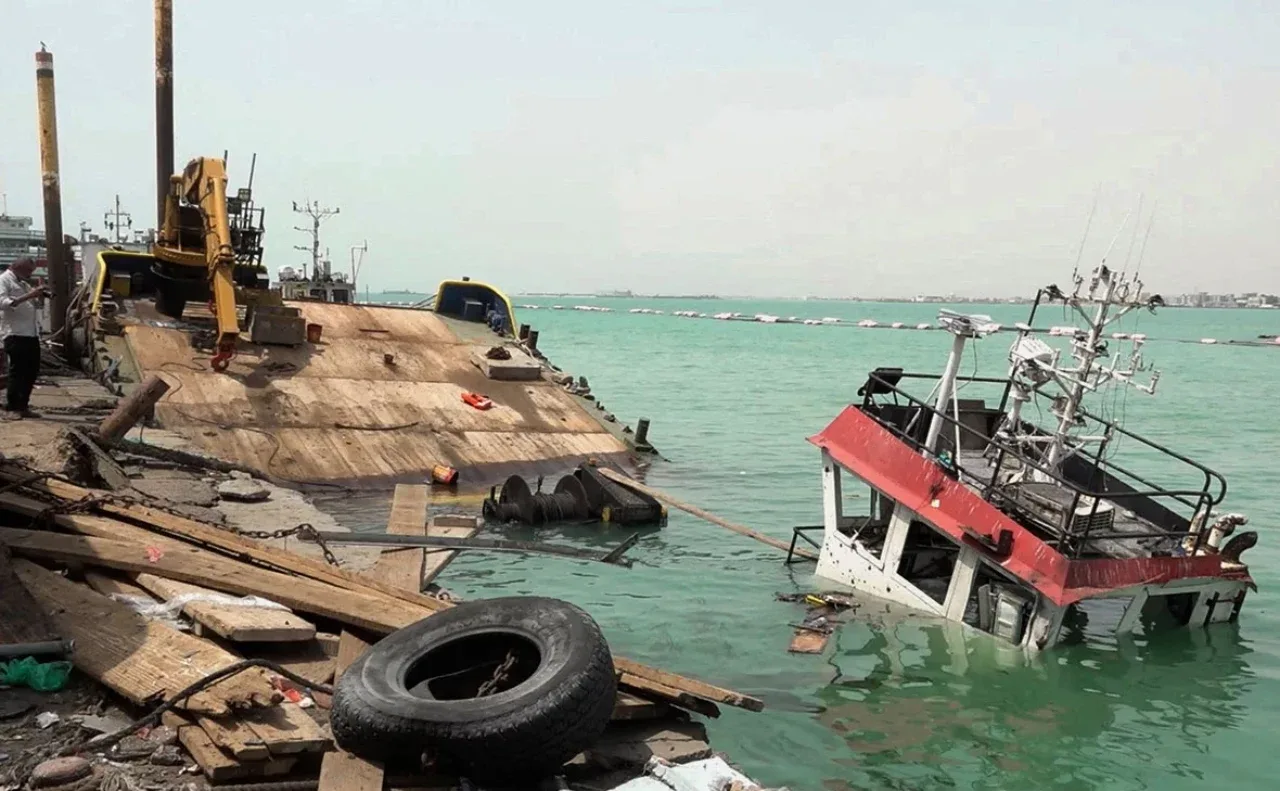
The global energy market has entered another catastrophic shock: the price of Brent crude oil jumped sharply in one day, rising to $106.9 per barrel. On one side are the Yemeni Houthis, who are attempting to take control of strategic sea routes to blockade Saudi Arabia and ensure Iran's victory in its conflict with the US. On the other side stands Washington, launching strikes to ensure tanker safety, and Beijing, which will determine the future of the oil market. After the Houthis captured the port of Mocha at the entrance to the Bab el-Mandeb Strait and launched attacks on the Hanish Islands, the tanker war worldwide has reached a new level.
First side: The Houthis and Iran's geopolitical siege
The 'Ansar Allah' movement in Yemen is trying to take full initiative on the battlefield:
Strategic port captured: The Houthis have taken full control of the strategic port of Mocha, located on the Red Sea and considered the gateway to the Bab el-Mandeb Strait;
Maritime siege of Saudi Arabia: The capture of this port has created a new bridgehead for the Houthis to directly attack Saudi tankers heading toward the Suez Canal;
Hanish Islands targeted: According to Reuters, the group has simultaneously launched active attacks on the Hanish Islands, which are considered important at sea;
Closing of the second corridor: If the Houthis establish full control, their sponsor, Iran, will gain a decisive advantage in the confrontation with the US by choking off the second-largest oil transit route.
'If the Houthis take full control of this waterway, it will give their sponsor, Iran, a major advantage in the war with the US, drastically reduce supply, and cause oil prices to rise to unprecedented levels,' reports Reuters.
Second side: US retaliatory strikes and market balance
Washington and international analysts are trying to stop the situation with military force and economic levers:
Sharp strikes in the Strait of Hormuz: The US Central Command (CENTCOM) launched devastating strikes on five tankers carrying Iranian oil, one of which sank completely;
Alternative routes at risk: At a time when military clashes are escalating in the Strait of Hormuz, the main export network for Saudi Arabia, its alternative Red Sea route has also become a dangerous trap;
China's decisive role: ING bank analysts note that further price increases depend not only on the Houthis but also on the future decisions of China, the world's largest oil buyer.
'China has ramped up oil purchases in recent weeks. If purchases continue to grow from Beijing, it will double the impact of any supply disruption and drive prices even higher,' warn ING experts.
The balance scale: Who is winning and who is losing?
Driving factor | Houthi and Iranian position | US and consumer markets |
Geographic control | Captured Mocha port and the mouth of Bab el-Mandeb, increasing pressure | Despite naval patrols, they cannot guarantee the safety of the straits |
Economic blow | Hit the global market by pushing oil prices to $106.9 in one day | Facing the risk of inflation and rising fuel prices |
Tanker war | Fully targeted Saudi Arabia's alternative export routes | Struck 5 Iranian tankers but could not contain the risk |
Next step | Hanish Islands and closing the entire strait | Hoping for Beijing to reduce oil imports and cool the market |
On one side of the scale stands the Houthi-Iranian coalition, which is turning oil into a geopolitical weapon by choking off important straits, and on the other side are the US military forces, which are failing to repel attacks at sea, and China's unexpected demand. This confrontation could lead to oil prices breaking new historical records in the coming days.
Do you think the Houthis will succeed in completely closing the Red Sea, or will the US Navy launch a large-scale operation to break this siege? How will oil at over $106 a barrel affect the global economy? Leave your thoughts in the comments and share this analysis of the hot energy intrigue with your friends and experts!



Comments 0
…