


UK plans to distribute internet from the stratosphere as an alternative to Starlink
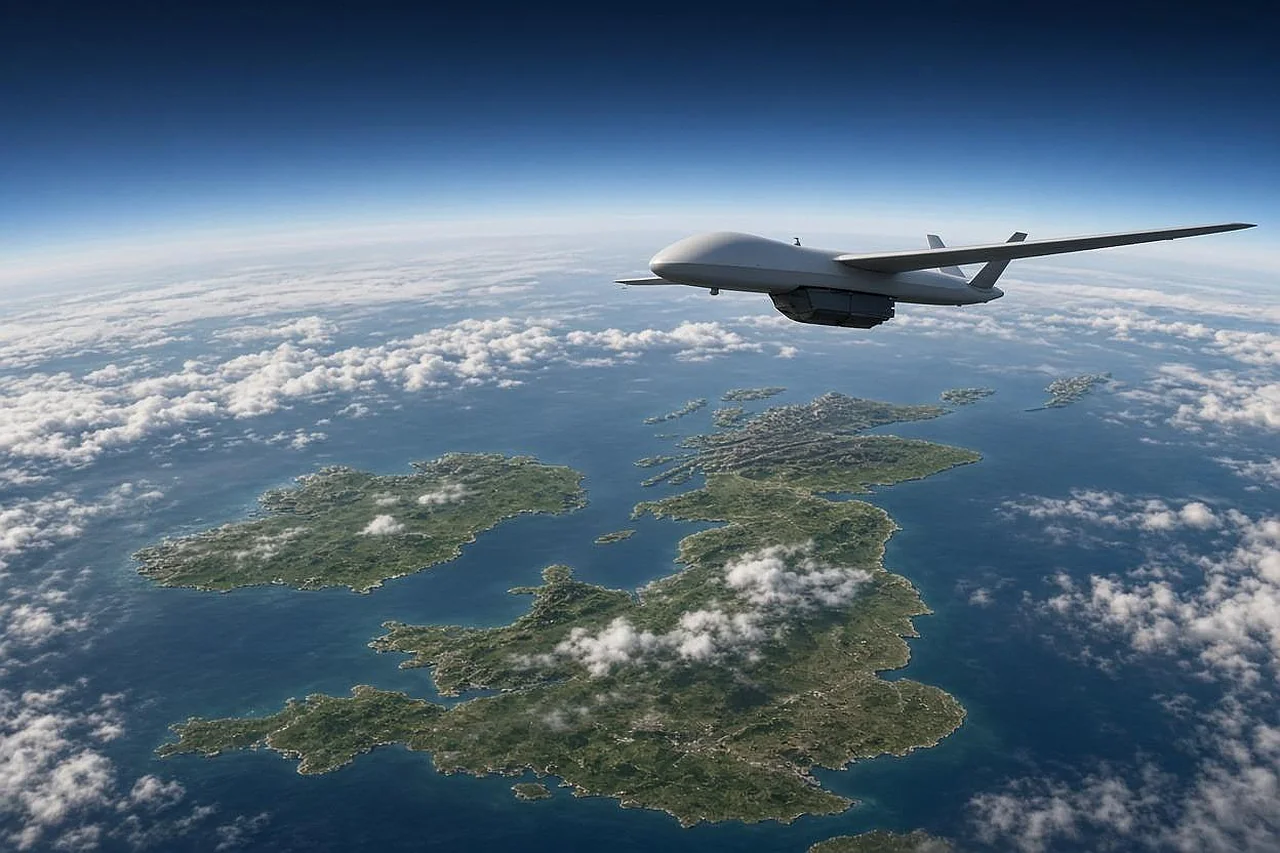
The UK has begun work on creating a unique alternative to global satellite communication systems like Starlink. According to ixbt.com, the primary focus this time is on high-altitude unmanned aerial vehicles capable of flying in the stratosphere for weeks. This initiative is expected to be a significant step in ensuring stable communication and internet access within the country and in other regions lacking ground infrastructure. This is reported by Ixbt.com .
The UK's Advanced Research and Invention Agency (ARIA) has allocated $94 million for the Enduring Atmospheric Platforms program in this field. Currently, 18 different projects are being funded under this initiative. The program is designed for three and a half years and consists of three stages: first, core technologies are created; subsequently, finished systems are integrated and tested; and finally, the practical implementation phase begins.
Capabilities of stratospheric pseudo-satellites
The core essence of the project involves using high-altitude pseudo-satellites known as HAPS. These aircraft, operating at an altitude of approximately 19 km, are intended to perform tasks such as providing internet and mobile coverage to large areas without the need to launch thousands of satellites into orbit. One of the program's main goals is to create a platform capable of carrying 300 W of telecommunications equipment and remaining continuously in a designated area for at least one week.Experts and startups are proposing various engineering solutions. For example, the startup Menapia is promoting the Carousel project, which envisions a network of drones operating at an altitude of approximately 19 km capable of covering the entire UK. VFP Aerospace is developing a different concept, proposing a continuous replacement system where one unit automatically takes the place of another when it returns for recharging, rather than relying on the extreme autonomy of a single craft. The estimated cost of such drones is $67,000.
Unconventional solutions and future prospects
The technical part of the project is not limited to device design but also includes issues of wireless energy transmission. Scalable Laser is developing a power supply system using high-power lasers and photovoltaic receivers. Space Solar Engineering is researching ways to transmit energy via radio frequency and microwave radiation. Researchers at the University of Bath, who presented one of the most unusual ideas, aim to utilize atmospheric gravity waves caused by weather patterns and terrain to increase the flight duration of high-altitude vehicles.ARIA is considering various designs, ranging from solar-powered aircraft to experimental devices with rotating wings instead of traditional propellers. In the future, such systems are expected to become true communication towers in the sky, capable of providing high-speed connectivity to vast areas without complex satellite constellations.


Comments 0
…