


Permanent Military Control on the Island: Trump, Denmark, and Greenland Sign Historic Agreement
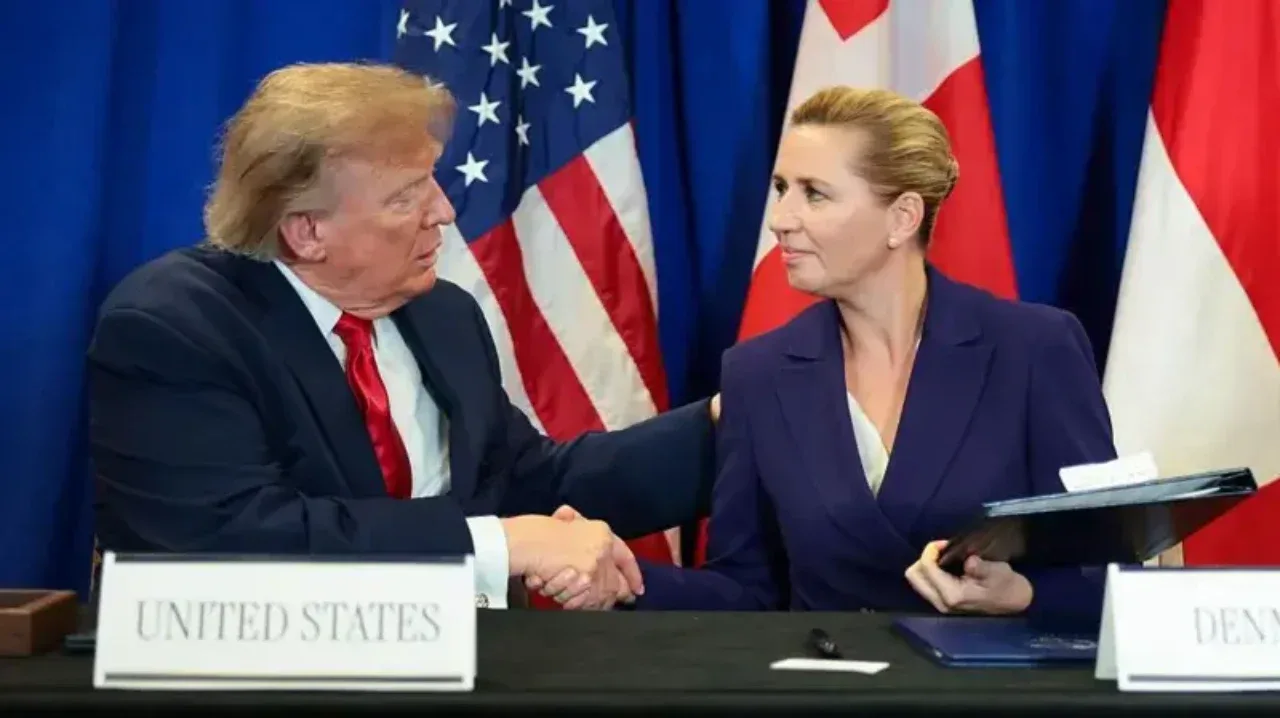
An unprecedented historical event has taken place that will fundamentally change the global security architecture of the Arctic and North Atlantic regions. US President Donald Trump, Danish Prime Minister Mette Frederiksen, and Greenlandic Prime Minister Jens-Frederik Nielsen have officially signed a crucial trilateral agreement redistributing military and strategic control over the world's largest island — Greenland. According to details released by the influential BBC, this document replaces the Cold War-era treaty of 1951, and the Danish leader described it as «a comprehensive and better deal that could last forever».
The Prime Minister of Greenland called the agreement mutually beneficial for all three parties, officially commenting: «Your security is our security, our security is your security». Speaking from the podium of the UN General Assembly in New York, Trump announced that the US would immediately build two major military bases on the island. The agreement guarantees the reopening of the bases in Narsarsuaq and Mesters Vig, the establishment of additional bases if necessary, as well as the unrestricted movement of American military aircraft, ships, and drones within the island's territory.
Most importantly, the agreement completely prohibits non-NATO countries, particularly Russia and China, from entering, maintaining a military presence, or even investing in strategic infrastructure in Greenland. Trump's belligerent threats from 2019 about «buying Greenland» or seizing it by force have finally culminated in an absolute diplomatic military control treaty.
So, how did Washington lock down the gateway to the Arctic Ocean, what economic benefits will the local population reap from this, and how will the new agreement alter the balance of power in the Arctic?
«Two new bases, a "red line" for Russia and China, and permanent status": 5 key points of the agreement
The most important clauses of the historic document signed regarding Greenland:
Two strategic military bases: The US will restore two important bases in Narsarsuaq and Mesters Vig and will have the right to open additional bases if necessary;
Freedom of movement and intelligence: American military aircraft, drones, and the fleet will move freely across the island; the US and Denmark will jointly combat espionage;
Absolute ban on non-NATO countries: No country outside the European Union and NATO will be allowed to have a military presence, control over strategic assets, or access to classified data on the island;
Indefinite and irrevocable document: The validity period of the agreement is unlimited; even if Greenland achieves independence in the future, it is obliged to remain a NATO member and Denmark's legal successor regarding security;
Privileges for the local population: Local companies will have priority in supplying services and products to the US military, and the traditional lifestyle will be protected.
Military status of Greenland: Comparison of the old 1951 treaty and Trump's new agreement
Key differences and strategic expansions of the historical documents:
Criteria and parameters | 1951 Agreement (with 2004 amendment) | New agreement under Donald Trump |
Signatories | Denmark and the US (Greenland joined from 2004) | USA (Trump), Denmark (Frederiksen), and Greenland (Nielsen) |
Number of US military bases | Only 1 base operated (Pituffik / former Thule) | At least 3: Pituffik, Narsarsuaq, and Mesters Vig (+ right to open additional ones) |
Movement of military equipment | Restricted to the base area and designated corridors | Absolute freedom of movement for aircraft, drones, and ships |
Status of third countries | No specific economic and investment restrictions | Complete military and investment ban on non-NATO countries |
Prospect of independence | Future status was left open | Requirement to join NATO and retain US bases even in the event of independence |
Local economic benefit | Only general cultural and traditional ties | Priority given to local companies in supplying US bases |
Geopolitics and military security expertise: Why did this deal completely lock down the Arctic?
Conclusions of international military experts and security analysts:
From the idea of "buying" to a strategic contract: In 2019, Trump provoked a diplomatic conflict with a proposal to buy the island, later even talking about conquering it; the new agreement granted Washington full military control over the land without a purchase and ended disputes with Copenhagen;
A strong shield against China and Russia: China had been trying to finance Greenland's airports and rare metal deposits within the framework of the «Polar Silk Road», while Russia was militarizing the Arctic; strict investment restrictions in the new agreement completely cut off Beijing's and Moscow's path to the island;
Air and drone control over the Arctic: The restoration of the Mesters Vig and Narsarsuaq bases provides the US Air Force with a perfect bridgehead to control missiles, submarines, and strategic bombers across the North Atlantic and Arctic Ocean;
Greenland's independence reined in: Local politicians intended to completely break away from Denmark; the new agreement legally forces an independent Greenland to automatically remain under NATO and Washington's military umbrella.
This agreement between Denmark, Greenland, and the US officially consolidates American hegemony in the Arctic, the most important geopolitical conflict zone of the 21st century.
Do you think Donald Trump's expansion of military control over Greenland will ease confrontation with Russia and China in the Arctic or create a new Cold War hotspot? How compatible do you think such permanent military bases are with the interests of the local population? Leave your personal thoughts in the comments and share this strategic analysis changing world politics with all your friends!



Comments 0
…