


Lunar economy could reach $566 billion by 2050
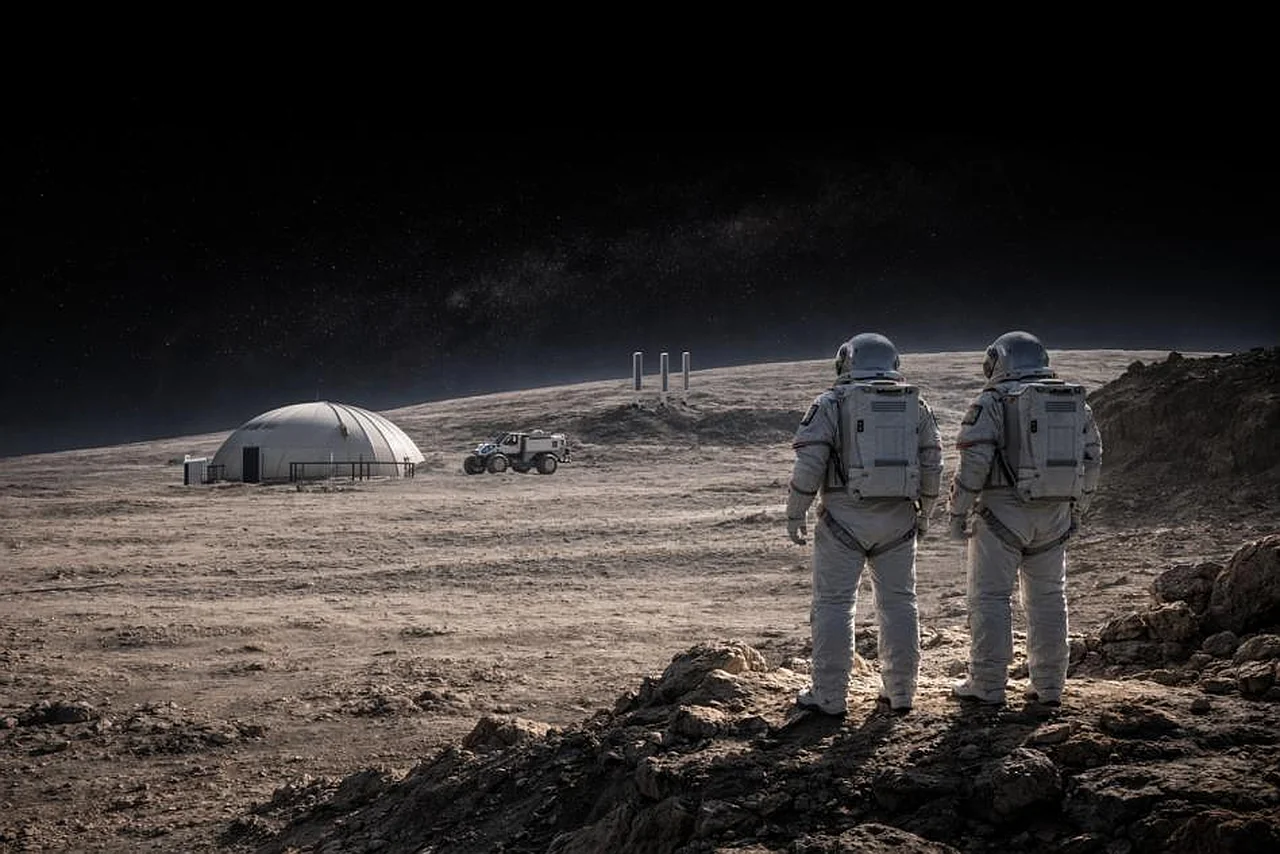
According to ixbt.com, a new report titled "Building the Lunar Economy" published by the world-renowned firm Deloitte has estimated the future global economic value of lunar activities. According to the report, the total size of the lunar economy by 2050 could reach $343 billion under a conservative scenario, and $566 billion in an accelerated growth scenario. This was reported by Ixbt.com reports.
This massive figure consists of two main phases, including the value of infrastructure required to operate on the Moon and the new markets that will open once this foundation is established. Deloitte Consulting representative and co-author of the report, Rachel Buscaino, described this process primarily as a history of infrastructure.
The key role of infrastructure and transport
According to the study, the initial phase covers six primary infrastructure markets. These are transport, energy, communications and navigation, surface mobility, construction, and life support systems. In an accelerated growth scenario, their total value is expected to reach $282 billion.Notably, 73 percent of this amount is attributed specifically to transport costs and capabilities. Major construction work is planned to take place near the Moon's south pole. The water ice reserves and sunlight-rich ridges in this region are considered the most favorable locations to support long-term operations.
New markets and future opportunities
NASA and other space agencies are actively launching commercial markets through service contracts instead of traditional government procurement. The second phase of markets, which will form on top of the established foundation, includes data, national security applications, resources such as Helium-3, rocket fuel produced on the Moon, and manufacturing for space computing.These second-phase markets could collectively generate an additional $284 billion in revenue. Furthermore, the report values broader societal benefits—such as innovation, scientific discovery, and inspirational impact—at another $541 billion.
At the same time, experts emphasize that a thriving lunar economy is not guaranteed. Engineering barriers, long development cycles, regulatory uncertainties, and unproven commercial demand remain the primary challenges. In the near term, revenues remain dependent on government funding, while the investments and technical standards adopted today will determine who remains in the market in the future.


Comments 0
…