


Rare coins from the Karakhanid period discovered at the bottom of Lake Issyk-Kul
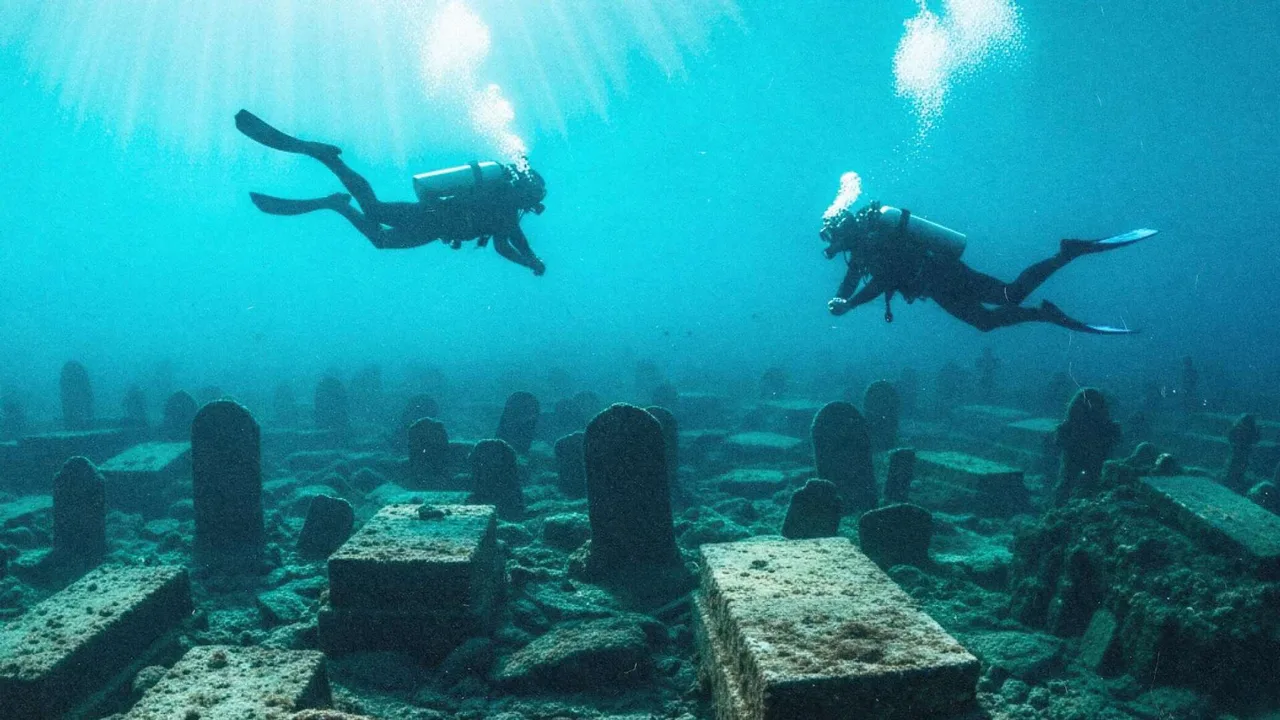
Kyrgyzstan's Lake Issyk-Kul has yielded 10th-to-11th-century Karakhanid-era coins from its depths. This was announced by Maxim Menshikov, co-leader of the archaeological research and a researcher at the Institute of Archaeology of the Russian Academy of Sciences.
The finds were discovered during regular underwater research conducted at the medieval Toru-Aygyr archaeological complex located at the bottom of the lake. Archaeologists have been studying this area for several years.
According to Menshikov, the discovered coins may have a very high lead content. Initial estimates suggest that the share of lead in the metal reached up to 90 percent. The scientist explains this by a shortage of copper during that period.
Coins with such a composition are noteworthy for their extreme rarity. Due to the brittle nature of the material, the finds have not been well preserved, and reading the inscriptions on the coins is difficult.
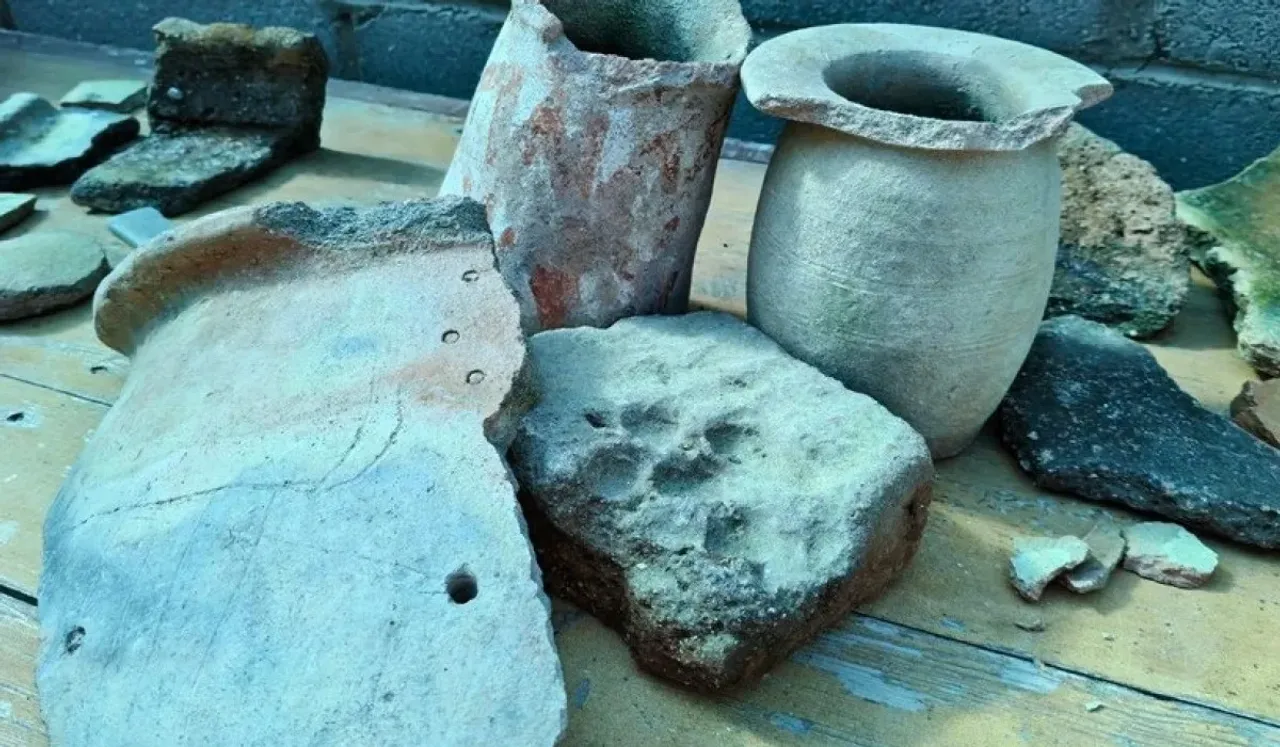
During the expedition, a part of a cast-iron cauldron and fragments of large ceramic vessels were also found. In addition, archaeologists discovered seven medieval structures built of fired brick in the Toru-Aygyr complex area. Six structures of this type were previously known in the territory of Kyrgyzstan.
The research is being carried out as part of an international underwater archaeology expedition supported by the Russian Geographical Society.
Since the expedition participants were unable to take the original finds out of Kyrgyzstan, potters in Moscow are making replicas of them. According to the plan, these replicas will be exhibited in the autumn along with photographs of the original items.


Comments 0
…