


Iron Instead of Platinum: New Catalyst Created for Future Batteries
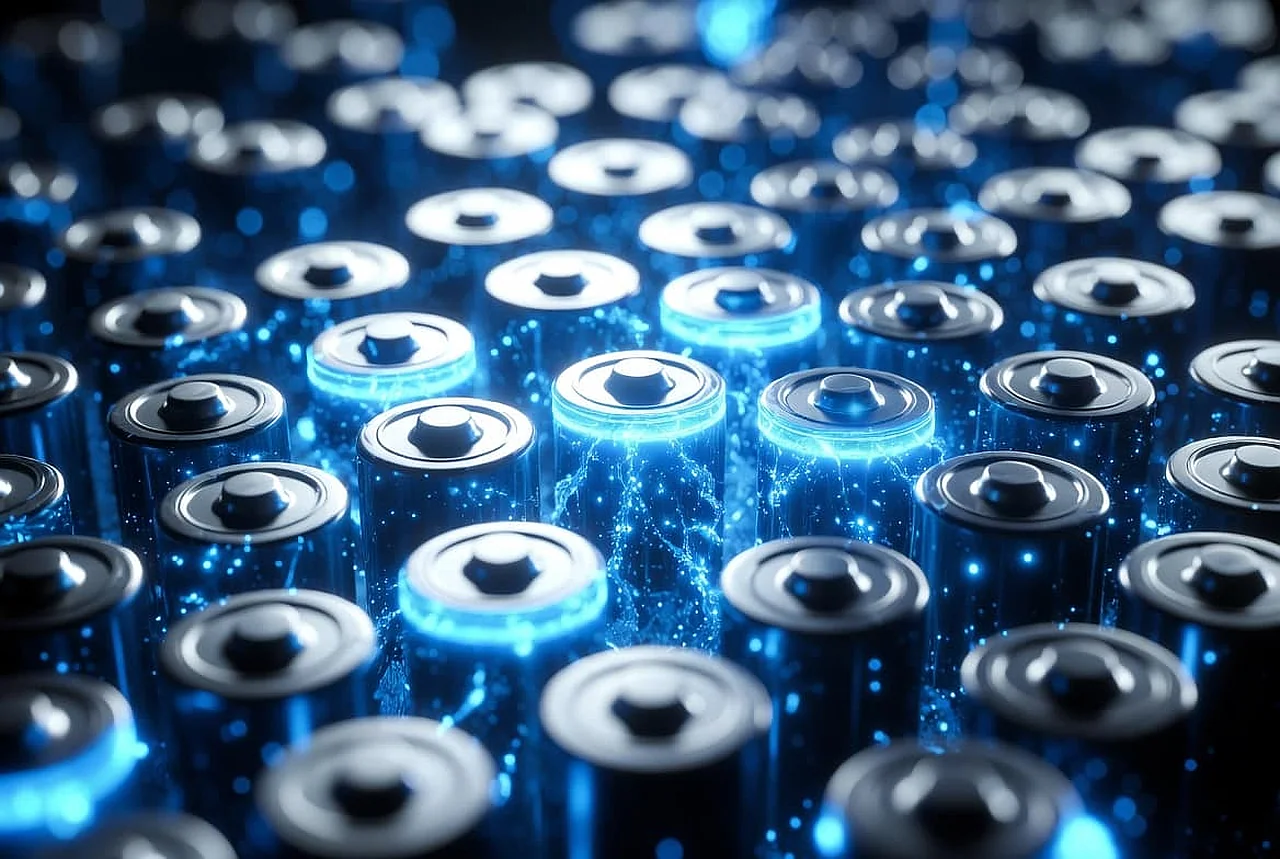
Scientists at Tohoku University in Japan have developed a new iron-based catalyst that could make zinc-air batteries significantly more efficient and durable. Such batteries are considered one of the most promising alternatives to lithium-ion batteries due to their low cost, high safety, and use of abundant materials. Unlike conventional power sources, zinc-air batteries use oxygen from the surrounding air to generate electricity. This is reported by Ixbt.com reports .
The main problem with this technology was the need to use rare metals like expensive platinum for the oxygen reduction reaction. To bypass this limitation, Japanese researchers decided to use iron oxide (Fe2O3). Although iron oxide is a stable and very cheap material in an alkaline environment, it slowed down the catalyst process because it bound hydroxyl groups too strongly.
To solve the problem, the scientists combined iron oxide with samarium oxide (Sm2O3) to create an artificial heterostructural interface. This method allowed for weakening the excessive bonding between iron atoms and hydroxyl groups. As a result, the reaction proceeded without obstacles, and the catalyst demonstrated high stability even after long-term charge and discharge cycles.
The new development was tested not only in laboratory calculations but also in real devices. Experimental zinc-air cells managed to power an LED lamp and even fully charge a smartphone. According to Professor Hao Li of Tohoku University, this technology will increase the efficiency of both traditional liquid and modern flexible solid-state batteries.
If the technology is successfully implemented on an industrial scale, such batteries could be used in fields ranging from wearable electronics and mobile devices to large energy storage systems for solar and wind power plants. Researchers plan to apply this approach to other types of energy systems in the future.


Comments 0
…