


NASA Fuels Nancy Grace Roman Space Telescope and Prepares for Launch
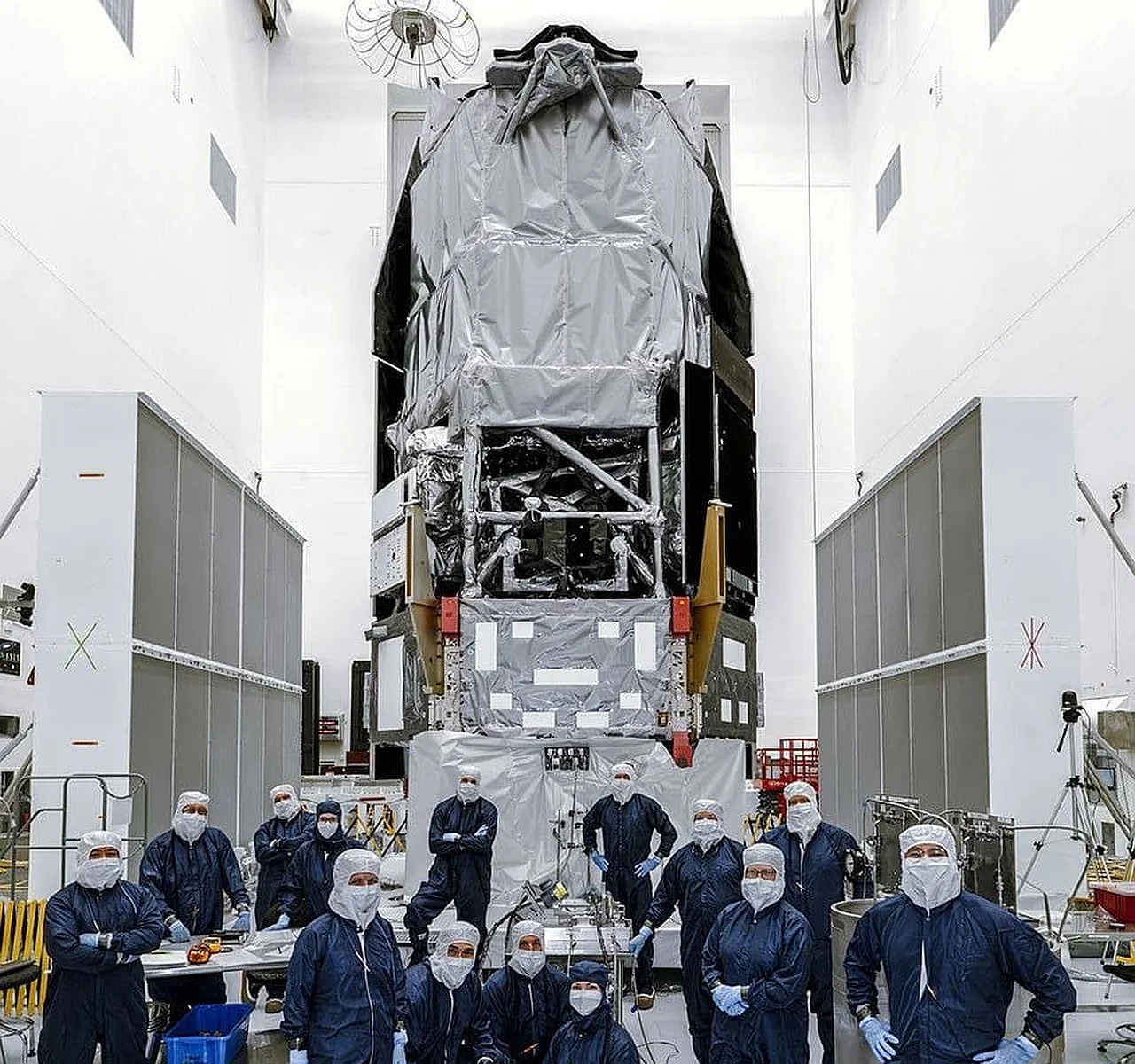
NASA has completed a major milestone in the history of space exploration by fueling the next-generation Nancy Grace Roman Space Telescope. According to Ixbt.com, this process is one of the final preparation stages for the major space mission scheduled for next month. This was reported by Ixbt.com reports .
Specialists loaded approximately 290 gallons, or about 1098 liters, of hydrazine propellant into the observatory at the Payload Hazardous Servicing Facility located at the Kennedy Space Center in Florida. This reserve is critical for the telescope's long-term and efficient operation in space.
Distant Destination in Space and Its Objectives
Rocket Nancy Grace Roman After launching the telescope into space, the hardware will use this exact hydrazine reserve to adjust its trajectory and reach the required point. The telescope will head toward the Sun-Earth Lagrange point L2.This operational point is located exactly 1.5 million kilometers away from our Earth — nearly 4 times the distance to the Moon. In this orbit, the telescope will be able to perform continuous astronomical observations while maintaining a stable position relative to the Sun and Earth.
Capabilities of Fuel and Energy System
According to the provided data, the fuel is necessary for the operation of two types of thrusters, which perform the tasks of correcting the telescope's orbit and ensuring the correct orientation of the solar arrays. The spacecraft is equipped with a total of 6 solar panels that will provide electrical power throughout the entire mission.The telescope's primary scientific program is designed for 5 years. However, according to experts' calculations, the loaded fuel reserve may be sufficient to perform additional work for another 5 years beyond the established deadline.
Launch Preparation and Future Plans
Before fueling, engineers successfully completed the cleaning and technical inspection of the solar panels. In the next phase, specialists will mount the telescope to the rocket's upper stage adapter and then cover it with a special fairing.This important space mission in cooperation between NASA and SpaceX is scheduled to launch on August 30 of this year at 7:26 AM Eastern Time. Heading into space from Launch Complex 39A in Florida using a Falcon Heavy rocket, this observatory will serve to study thousands of exoplanets, the nature of dark energy, and the distribution of dark matter.


Comments 0
…