


Space Revolution: Satellite Learns to Independently Search for Objects for the First Time
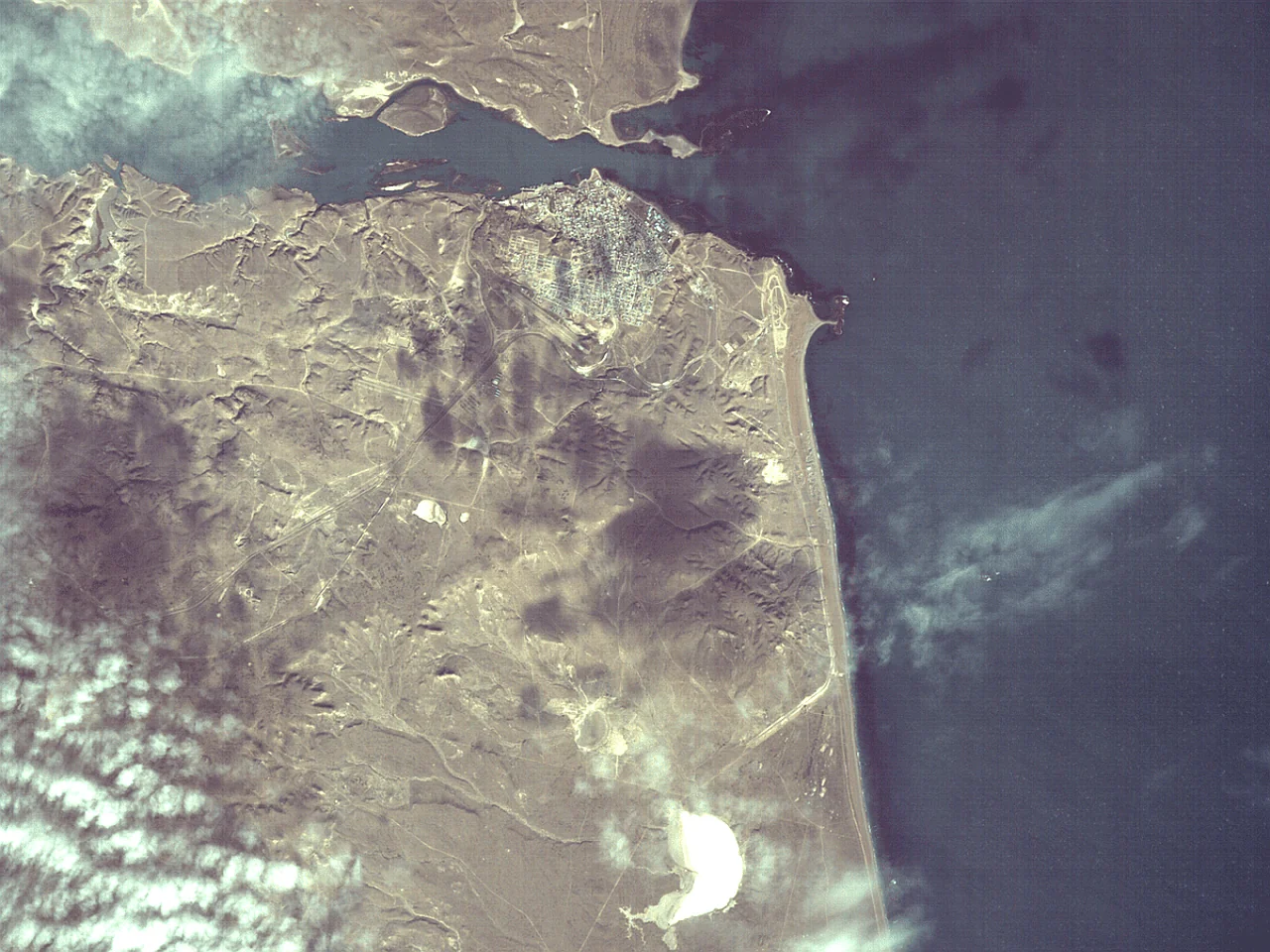
A historic turning point has occurred in space technology: an Earth observation satellite has successfully identified objects it was searching for independently, without human intervention. This experiment, conducted in April, marks the first instance of a Vision-Language Model (VLM) being utilized in orbit. This breakthrough is expected to fundamentally transform the capabilities of space sensors and elevate their efficiency to a new level. This is reported by Techcrunch.com reports .
Typically, satellites transmit large volumes of raw data to Earth, where analysts examine images using specialized algorithms or direct human observation. However, the Yam-9 device, built by Loft Orbital, ran software created by experts at the NASA Jet Propulsion Laboratory (JPL). This system was able to independently highlight areas of interest based on natural language queries.
Google DeepMind technology in the service of space
At the heart of this success lies the Gemma 3 model, developed by Google DeepMind. This Vision-Language Model is specifically adapted to operate on devices with limited technical capabilities, i.e., far from data centers. VLM models combine textual logic with the ability to analyze images. For example, when researchers asked the model to find areas where nature and human infrastructure intersect, or facilities around railway junctions, the AI successfully completed the task.This demonstration is significant in two respects. In the short term, it makes space sensors more useful because the satellite filters data in orbit, sending only the most important information to Earth. This significantly reduces the massive data flow burden on analysts. In the long term, it proves that a large-scale AI infrastructure can be created in space.
Possibility of constant monitoring and communication
As Paul Lasserre, a representative of Loft Orbital, told TechCrunch, this technology paves the way for creating a "constant duty" system in space. Now, it is possible to give the satellite a simple instruction like: "Monitor this border for me and notify me if any suspicious activity is detected," and communicate with it. This represents an entirely new level in security and monitoring.The Yam-9 satellite was launched into orbit in the fall of 2025 and serves as a unique testing ground for the company's AI projects. The device is equipped with one of the leading chips for space computing — the NVIDIA Jetson Orin AGX GPU. NASA JPL engineers managed to significantly simplify the Gemma 3 model to operate within these limited memory and resource conditions.
Currently, other major companies are also actively working in this direction. For example, Planet Labs is using NVIDIA chips on its satellites to identify simple objects and plans to implement more complex VLM models in the future. Kepler Communications is also working on increasing computing power in space. The goal is to create a constellation of 50 to 100 smart satellites covering the entire Earth in real time.



Comments 0
…