


Revolution in Lunar Construction: Scientists Find Way to Extract Glass and Ceramics from Regolith
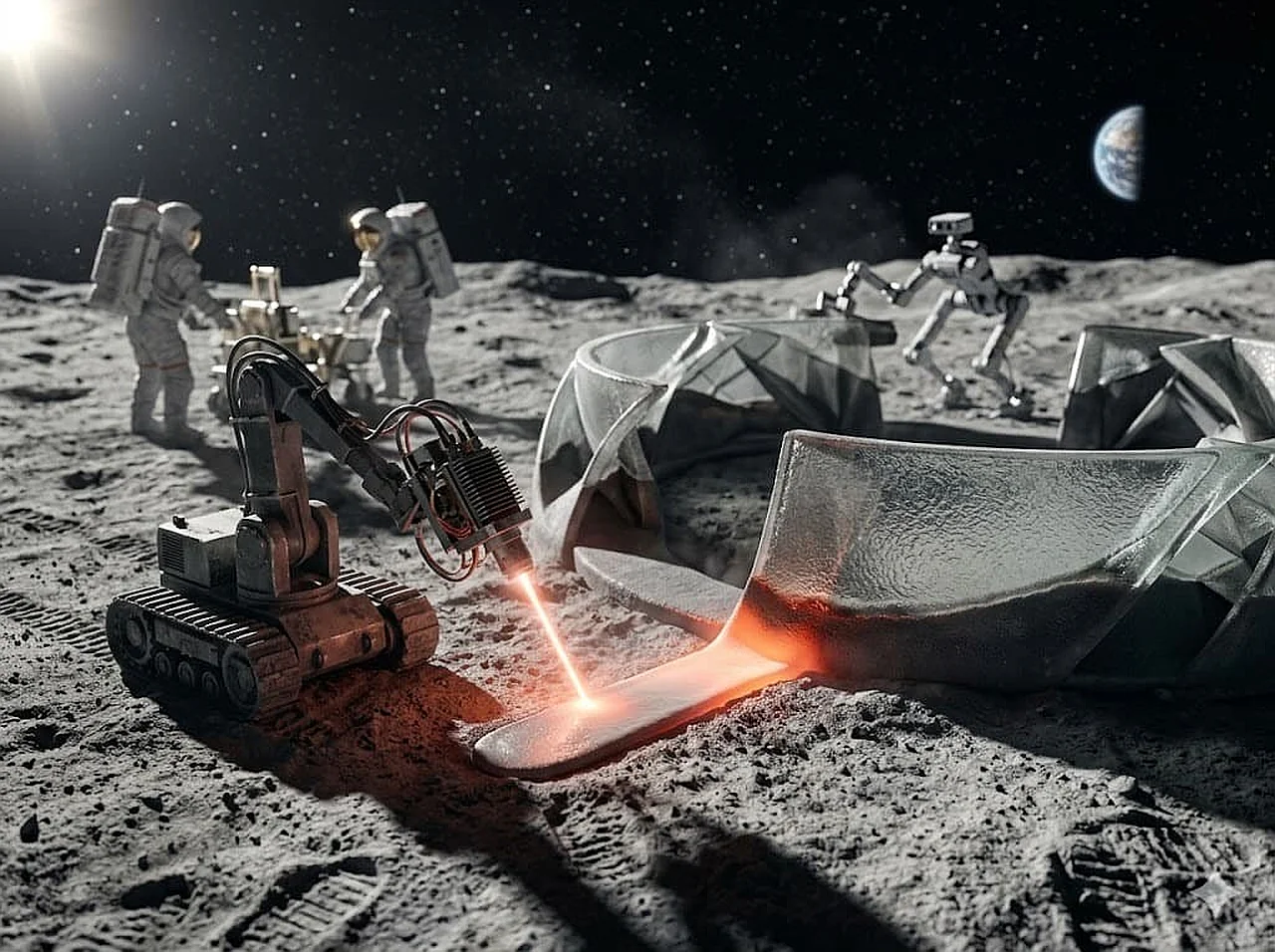
Humanity's plans for space colonization, specifically global projects like Artemis and Moon Village, envision the construction of long-term bases on the Moon. However, since transporting construction materials from Earth is extremely expensive, scientists are seeking new ways to utilize local resources. Researchers from the University of Florida have scientifically substantiated the possibility of creating glass and ceramic objects directly from lunar soil — regolith — using laser technology. This is reported by Ixbt.com news reports.
Developed by a team of engineers led by Victoria M. Miller, this technology is based on concentrated infrared radiation. The material is heated and deformed using a laser without contact, allowing for the creation of complex shapes without heavy presses or special molds. Research results published in the journal Springer Nature show that this method works effectively even in vacuum conditions.
In-Situ Resource Utilization strategy
This approach is part of the In-Situ Resource Utilization (ISRU) strategy. According to ixbt.com, laser shaping technology drastically reduces the weight of equipment that must be transported into space. Using a compact laser source instead of heavy construction machinery is crucial for missions where the cost of every ton of cargo is valued in millions of dollars.As part of the research, experiments were conducted on simulator materials similar to lunar soil. Under the influence of the laser beam, the regolith melted and turned into strong glass and ceramic elements. These elements could be used in the future as raw materials for the walls of lunar bases, protective layers, and even optical instruments.
Laser shaping is expected to be useful not only in construction but also in fixing unexpected failures. Preparing necessary spare parts and tools using lasers on the lunar surface or in orbit reduces dependence on Earth. This is considered one of the most important steps in ensuring the autonomy of long-term missions.
Terrestrial Prospects of the Technology
Although the project was initially developed for space needs, there is a high probability of its application in the construction sector on Earth. Scientists believe that laser manufacturing methods could be more economical and flexible than traditional industrial methods. This could open a new era, especially in creating complex geometric shapes and developing infrastructure in resource-limited areas.Currently supported by agencies such as DARPA, this project is moving from laboratory conditions to practical tests. If the technology proves itself, the first laser "factories" could start operating on the Moon by the 2030s, making permanent human settlement on other planets a reality.


Comments 0
…