


NASA is Creating a Space Refueling Station: Initial Tests Successful
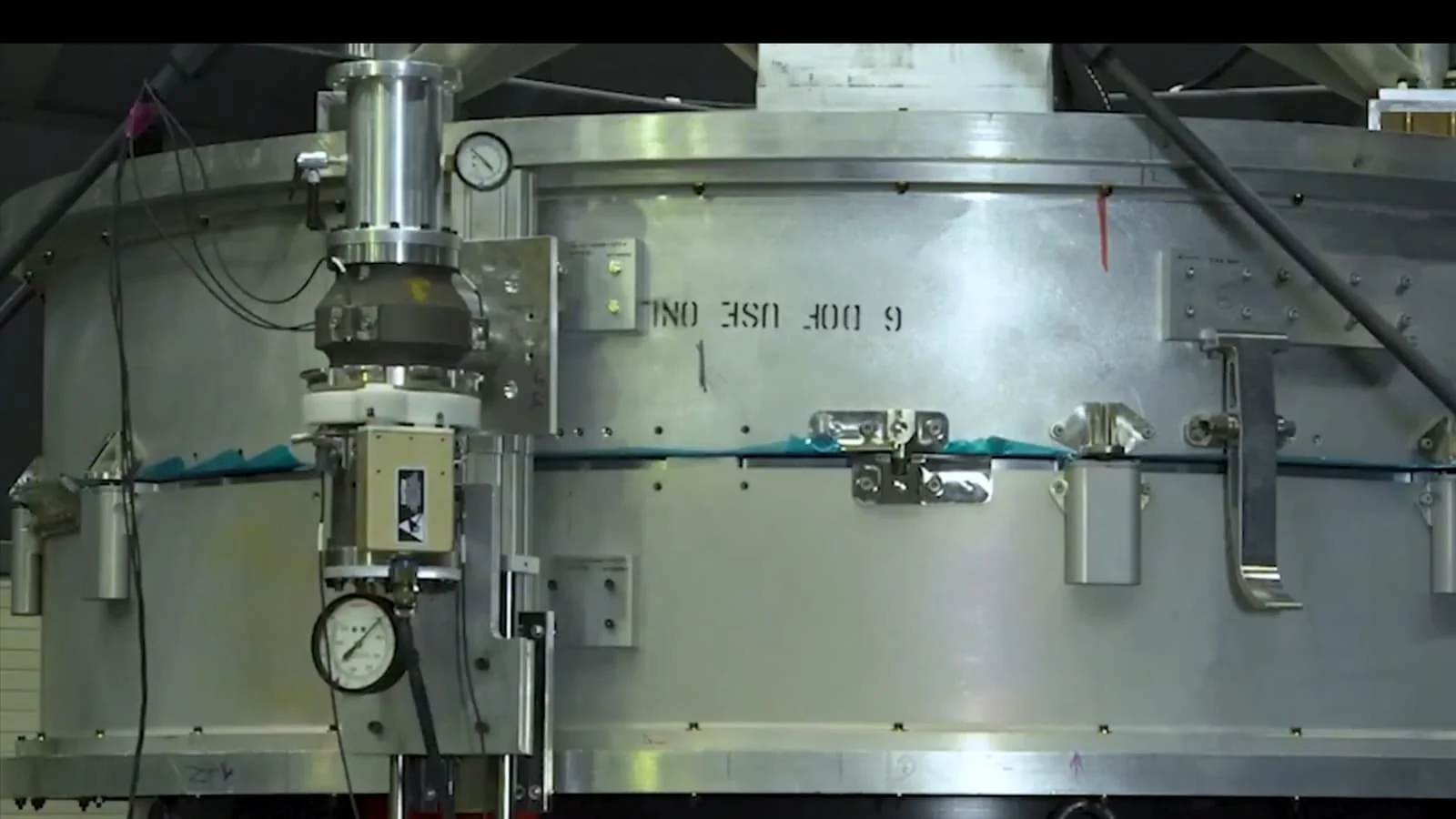
The National Aeronautics and Space Administration (NASA) has begun testing a system for the automatic refueling of spacecraft in space. This technology is expected to be of decisive importance for future missions to the Moon, Mars, and other distant points of the Solar System. According to ixbt.com, the new system will reduce spacecraft dependence on Earth. This is reported by Ixbt.com news reports.
A cryogenic coupling node developed by L3Harris forms the basis of the project. This device acts as a unique automatic "fueling nozzle." It connects the spacecraft with an orbital refueling station, ensuring the safe transfer of ultra-low temperature substances such as liquid hydrogen and liquid oxygen.
A complex stage in space technology
Travis Belcher, project manager at the Marshall Space Flight Center, noted that until now, a fully automated cryogenic refueling process between two vehicles has not been carried out in space. This is considered one of the most complex technical tasks of modern astronautics. The main advantage of the new system is that it allows for multiple connections and disconnections without the involvement of astronauts.Engineers paid special attention to the system's flexibility. The mechanism remains operational even if slight inaccuracies or shifts of the vehicles occur during the docking process. This is a critical factor ensuring safety and reliability in the complex conditions of open space.
In the first stage of testing, specialists used liquid nitrogen with a temperature of -196 °C. The device was repeatedly connected at extreme cold temperatures to check its airtightness and durability. Additionally, imperfect docking scenarios were intentionally created to simulate real conditions, but the system passed all tests successfully.
A new era in long-distance flights
Currently, this technology is in the early stages of development. In the future, NASA plans to adapt it for the return-to-the-Moon program and future expeditions to Mars. Orbital refueling stations could completely change the strategy of space flights.If spacecraft can refill their fuel reserves in orbit, they will not be required to carry all the fuel from the Earth's surface. This provides the following opportunities:
- Increasing the payload capacity of spacecraft;
- Significantly reducing the cost of long-distance missions;
- Launching larger and more complex scientific instruments into space;
- Extending the duration of interplanetary flights.


Comments 0
…