


Gulfstream G700 completes flight on sustainable fuel: A new chapter in aviation history
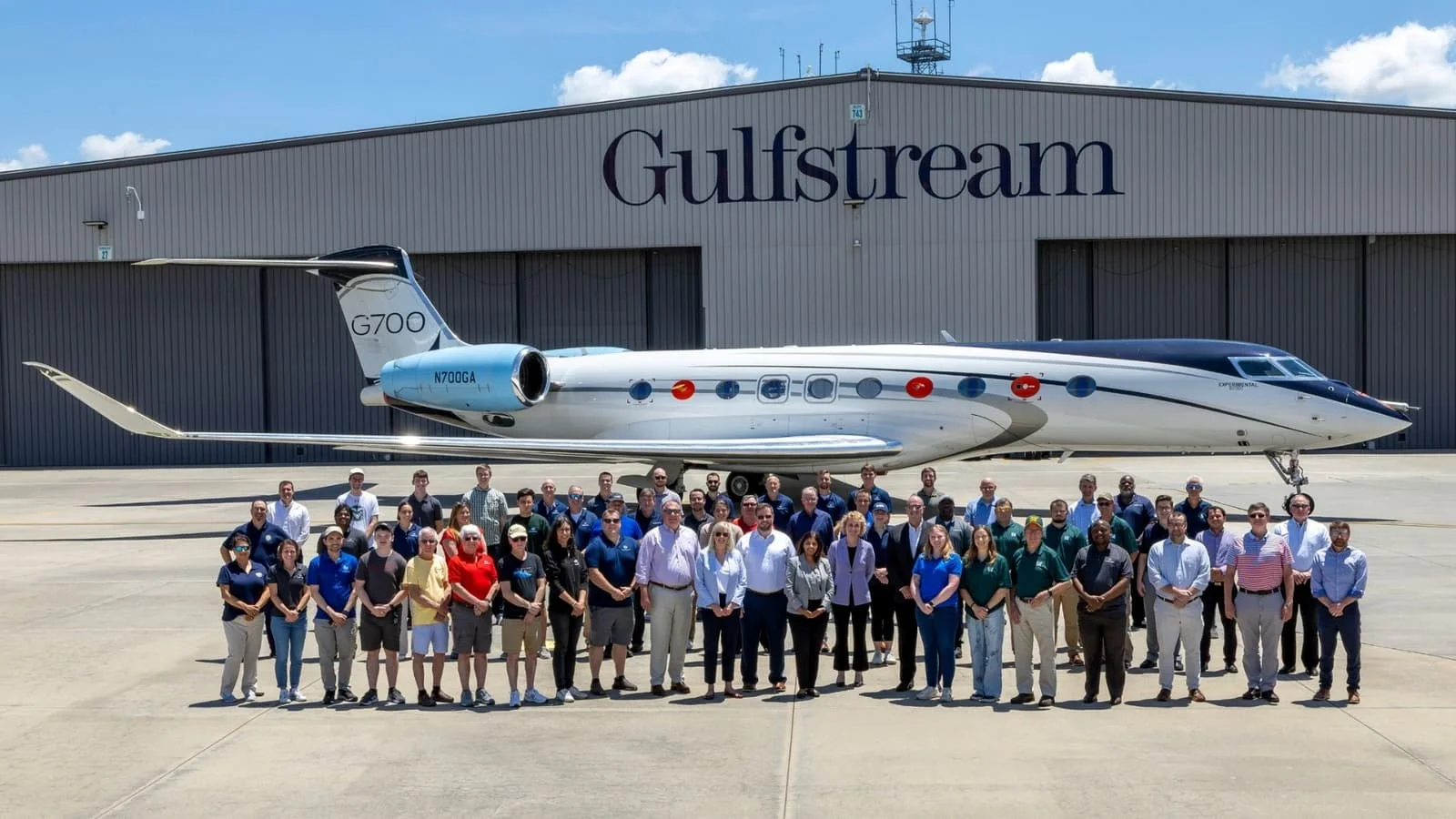
The aviation industry has taken a giant step toward reducing its environmental impact. Gulfstream Aerospace has successfully completed extensive test flights of its state-of-the-art business jet, the Gulfstream G700, using 100 percent sustainable aviation fuel (SAF). This research practically proves the possibility of completely abandoning traditional aviation kerosene. This is reported by Ixbt.com reports .
Equipped with Rolls-Royce Pearl 700 engines, the Gulfstream G700 flew at an altitude of 15.2 kilometers. This altitude is standard for modern business aviation, but for the first time, a flight was carried out at such a distance without using a single drop of kerosene. During the tests, the specially equipped G700 served as a flying laboratory.
Scientific cooperation and scope of research
According to ixbt.com, experts from leading global scientific organizations participated in this project, including NASA, the U.S. Federal Aviation Administration (FAA), the German Aerospace Center (DLR), and Rolls-Royce. Researchers compared the environmental impact of three types of fuel in the air: traditional kerosene, an SAF blend, and 100 percent pure SAF.During the experiment, the laboratory aircraft flew behind a G800 model to analyze the composition of exhaust gases and condensation trails (inversion trails). For this purpose, the G700 cabin was filled with special measuring equipment, and the pilots underwent special training to maintain the minimum distance between the aircraft.
Environmental efficiency and future plans
The main advantage of SAF is that it is almost free of the sulfur and aromatic compounds found in regular kerosene. This helps to drastically reduce the amount of particulate matter emitted by the engine. According to Gulfstream's initial findings, the use of 100 percent SAF has significantly reduced air pollution levels.All data obtained will now be provided to international aviation regulators and climate scientists. This information will serve as a primary source for developing new environmental standards for aviation and setting requirements for sustainable fuels in the future.
Such technologies are also important for regions where aviation transit is actively developing. In the future, a global transition to SAF will not only ensure cleaner air but also reduce the aviation industry's impact on climate change. The Gulfstream G700 tests have been one of the boldest steps toward this goal.


Comments 0
…