


The Era of Electric Vehicles: Is Charging Infrastructure No Longer a Problem?
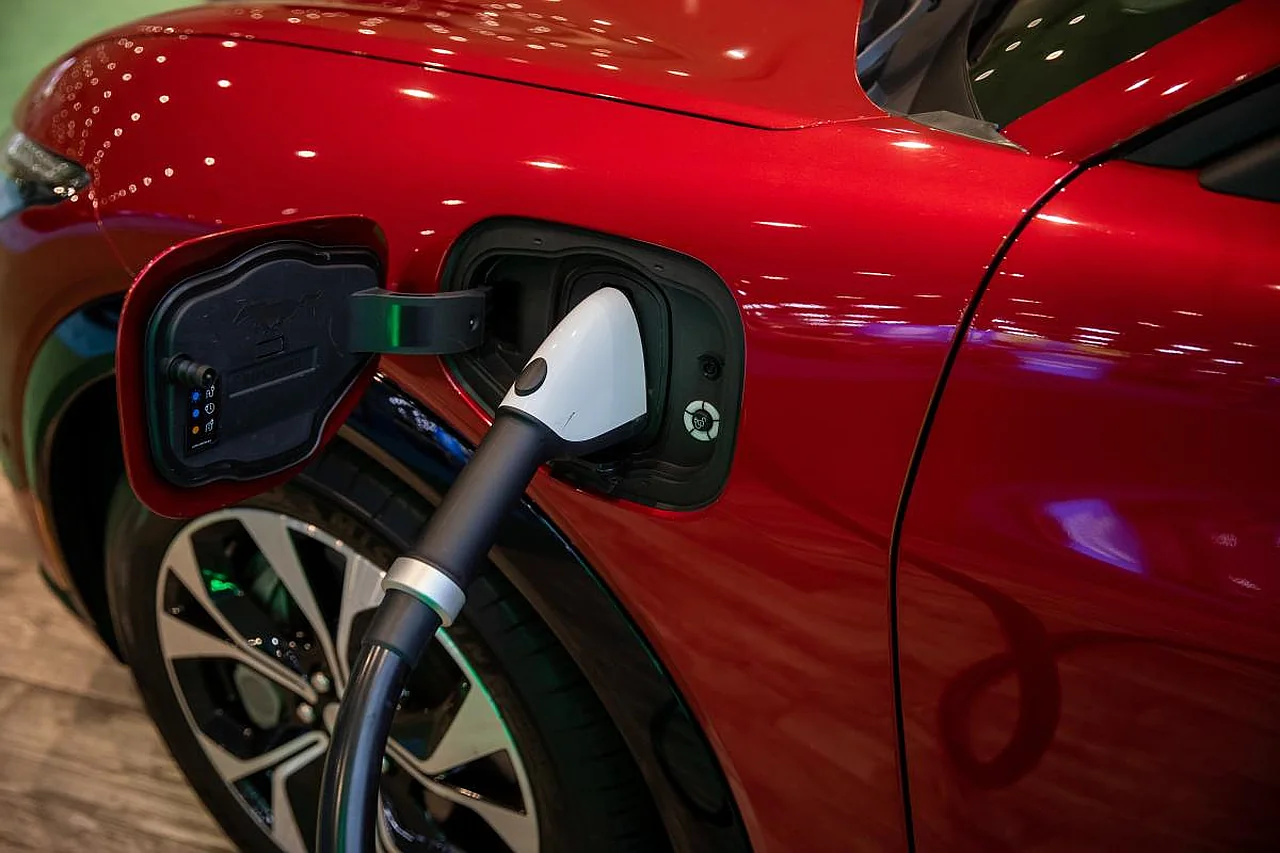
For consumers planning to buy an electric vehicle, the biggest barrier is the anxiety related to running out of power on the road and the lack of charging stations. However, recent studies and real-world experiences show that the situation in this field has changed fundamentally. Although more than half of the participants in a survey conducted by AAA expressed concern about public charging infrastructure, the system is becoming much more stable in practice. This is reported by Techcrunch.com .
In particular, the experience of drivers who have traveled more than 600 miles (approximately 1000 km) shows that modern electric vehicles and improved charging networks make long trips as convenient as traditional cars. For example, models like the Audi e-tron, which can cover about 350 kilometers on a single charge, are proving themselves on long journeys. This indicates that "range anxiety" is gradually becoming a thing of the past.
Technological solutions and route planning
Today, smart apps like A Better Route Planner (ABRP) are helping drivers. These services not only map the route but also select charging stations by taking into account weather conditions, wind speed, the technical condition of the car, and even the battery degradation level. Such precision reduces the probability of a driver being stranded on the road to zero.Experiments show that 300 kW fast-charging stations from companies like Rivian are currently providing the highest efficiency. Most importantly, many stations now accept payments via simple bank cards without the need for special apps. This removes unnecessary bureaucratic barriers for users.
Infrastructure development and convenience
The modern charging process is no longer just about waiting. Usually, charging stations are located near grocery stores, cafes, and rest areas. An average 20-minute charging session coincides with having lunch or taking a short break. This means the driver does not wait for the car, but the car adapts to the driver's needs.As the number of electric vehicles is increasing in Uzbekistan, these changes in international experience are of great importance. Such rapid development of infrastructure creates a solid foundation for completely abandoning internal combustion engine vehicles in the future. The malfunctions and queues observed a few years ago are now being replaced by stable systems.
In conclusion, traveling long distances with electric vehicles is no longer an extreme experience, but a routine daily process. The integration of technology and infrastructure is removing the final barriers to popularizing this type of transport.


Comments 0
…