


Pangram Secures $9 Million in Funding to Combat AI-Generated Content
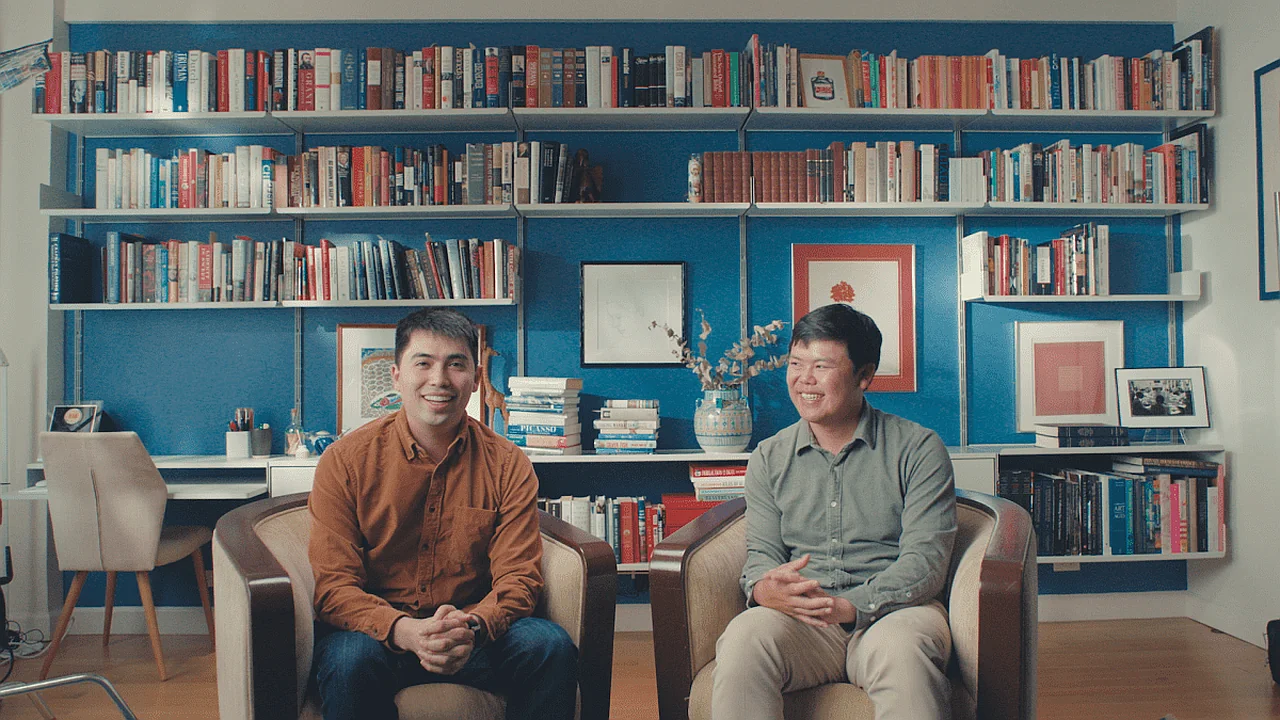
As the internet becomes flooded with low-quality data generated by AI, New York-based startup Pangram has raised $9 million in funding to develop new tools designed to distinguish between human and AI-written text. According to ixbt.com and TechCrunch, this funding round was led by Menlo Ventures, with participation from Haystack, ScOp, Script Capital, and Cadenza. Techcrunch.com reports this.
This financial milestone coincides with the startup launching its next-generation Pangram 4 text detector and Pangram Image, an AI image detection model. The company states that the new text detection model can identify AI-written or hybrid human-AI materials with over 99 percent accuracy. It can also easily expose specialized software designed to make AI text sound human-like.
AI threats and the backstory of the new startup
Pangram was founded two years ago by Stanford University graduates Max Spero and Bradley Amy. Following the launch of ChatGPT, the internet was overwhelmed by bots, AI-generated SEO content aimed at tricking search engines, and various disinformation campaigns. These very problems inspired the young specialists to create this service.According to Max Spero, it is extremely important for readers to know whether the text presented to them was written by AI or not. Especially, understanding the source of the text changes people's approach to it. If the text is written by AI, one must keep in mind the high probability of errors or fabricated information.
Technology's working mechanism and future plans
By its nature, the Pangram system is a large machine learning model trained on tens of millions of authentic human documents. For each document, the startup generated synthetic reflections that replicate the topic, length, and tone of voice, but were written by advanced language models. As a result, the model learns the stylistic differences and decisions made by AI, successfully determining with high accuracy whether text is an AI product.The startup's activity is not limited to finding purely AI-generated texts. It can also distinguish cases where text was partially assisted—meaning the author wrote it themselves and then used AI for corrections. According to experts, using AI assistance is acceptable, provided the author is transparent about it with readers.
Today, against the backdrop of widespread AI tool usage, its negative consequences are also emerging. While some politicians are mocked for AI-induced errors in speeches, some lawyers face fines and sanctions due to fake quotes generated by ChatGPT. Such cases force not only individuals but also various institutions to introduce stricter rules and restrictions against AI content.


Comments 0
…