


Engineer Who Stole Samsung Technologies Sentenced to 7 Years
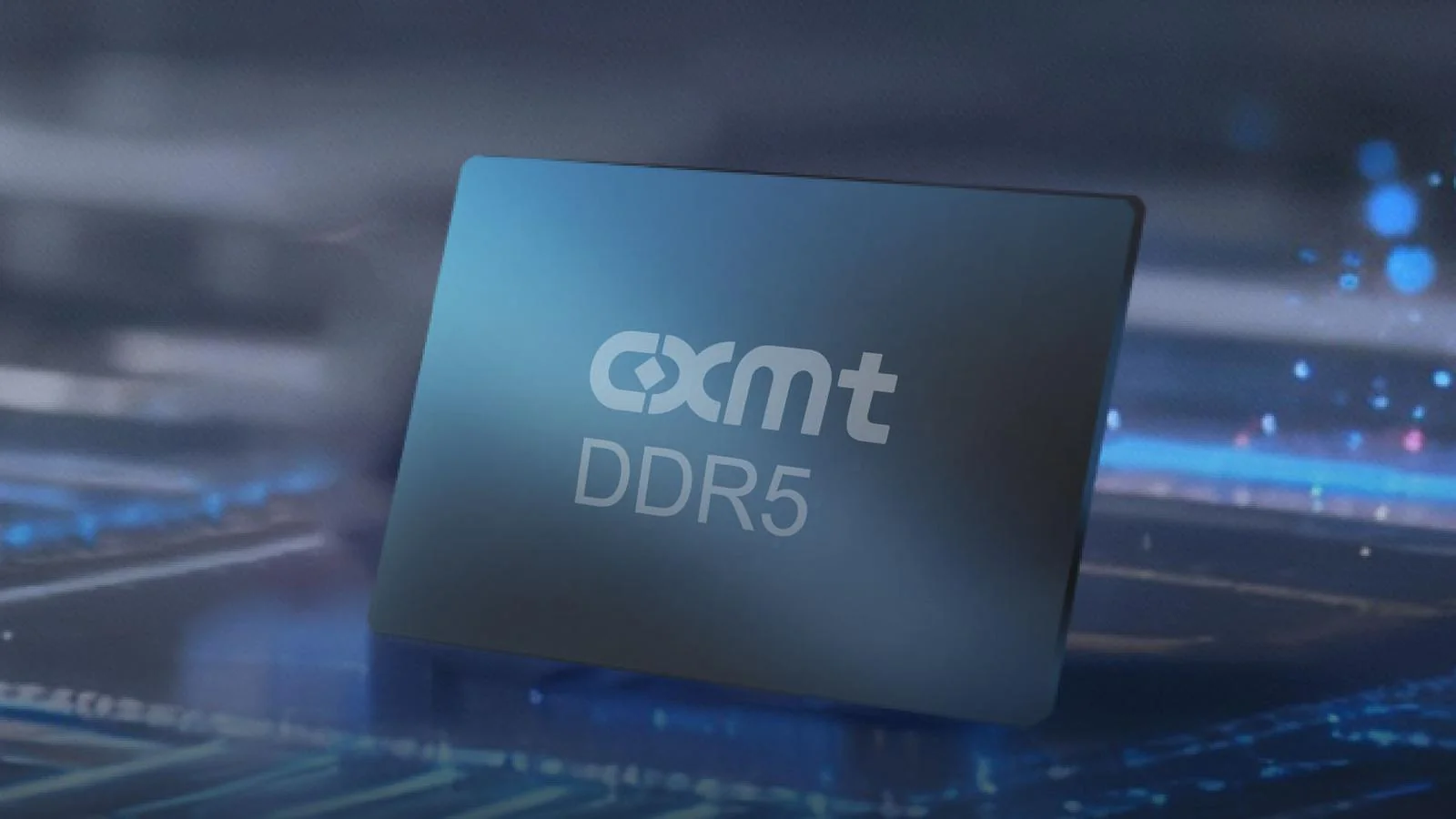
A court verdict has been delivered in South Korea in a major espionage scandal involving the semiconductor industry, sentencing a former Samsung employee to seven years in prison. According to Maeil Business, the case clearly demonstrates how fierce competition in the modern microchip market has become and how pressing intellectual property security is. This is reported by Ixbt.com.
The engineer, who worked at Samsung for 28 years before joining China’s ChangXin Memory Technologies (CXMT), was found guilty of illegally transferring confidential documents. Investigative materials indicate that the documents concerned the Process Recipe Plan (PRP), a technological document covering nearly 600 steps in DRAM memory production.
Details of the Technology Theft
According to the former engineer, who testified as a defendant during the trial, obtaining this information had been part of CXMT’s strategy from the outset. He stated that, in the early stages of its operations, the Chinese company lacked the scientific and production infrastructure needed to develop the technology from scratch and therefore relied on Samsung’s documents.Experts say that although a semiconductor manufacturing process recipe does not enable direct duplication through a single document, its value is extremely high. Such documents detail the sequence of hundreds of operations, material-layering parameters, and temperature and pressure levels.
China’s Semiconductor Industry and Its Consequences
Access to this confidential information can sharply reduce the number of costly experiments and significantly shorten the time required to develop an in-house manufacturing process. While creating a new DRAM process typically takes experienced manufacturers three to five years, the period may be even longer for newcomers.It is also worth noting that the PRP document provided is insufficient to fully replicate the technology; additional information is required, including transistor architecture, photomasks, and design rules. Nevertheless, CXMT launched mass production of DDR4 memory using its 22-nanometer technology in 2019, and began producing 18-nanometer DRAM in 2023.
Today, CXMT is China’s largest DRAM manufacturer and is actively competing with global giants such as Samsung, SK hynix, and Micron. The emergence of this scandal has once again brought technological security and personnel policy issues in Asia to the center of global discussion.


Comments 0
…