


Aggressive Driving Degrades an EV Battery 2.5 Times Faster
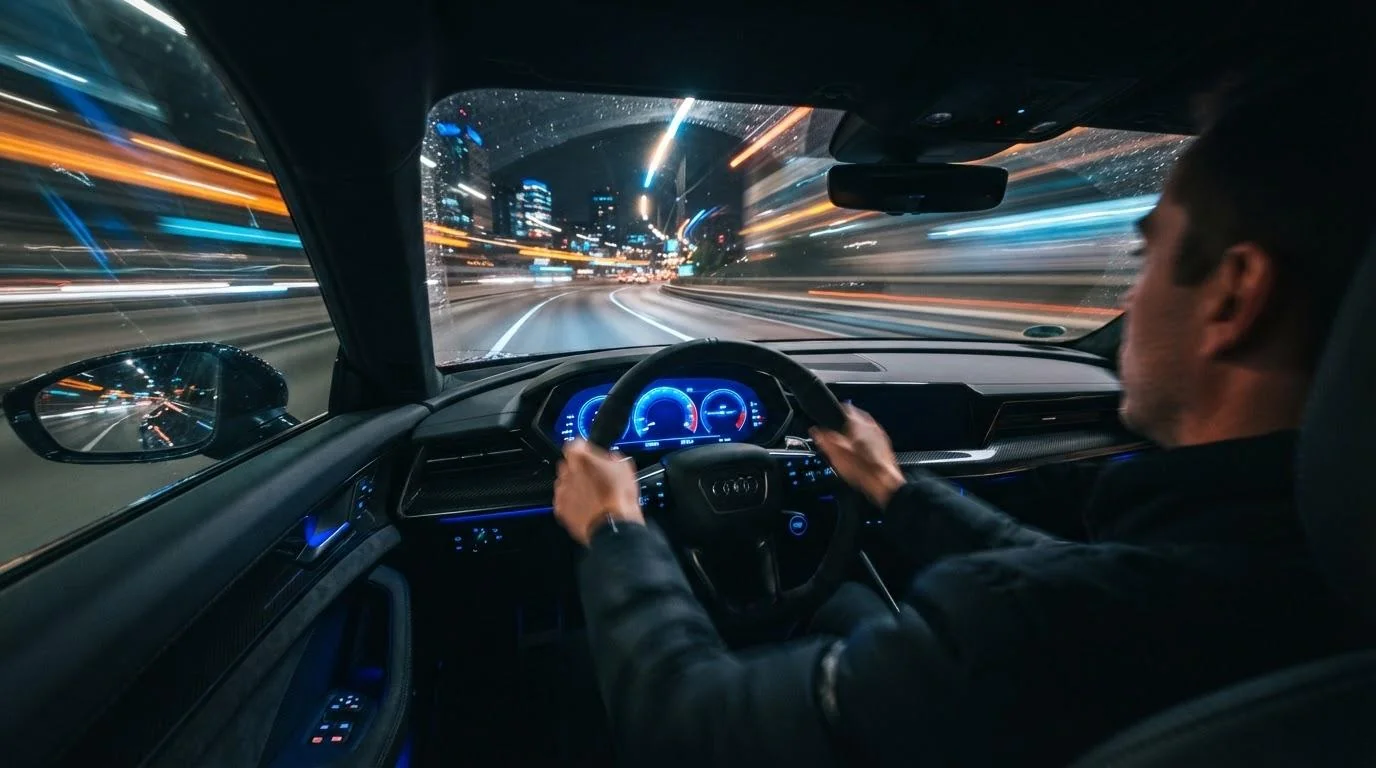
One of the main causes of faster wear in the traction batteries that are the most valuable and essential components of modern electric vehicles has been identified. According to a scientific analysis by researchers at Shanghai University of Electric Power, aggressive driving was found to reduce battery life 2.5 times faster than usual. The finding is expected to introduce new approaches to the culture of using environmentally friendly vehicles in the future. As reported by Ixbt.com .
Experts used real-world operating data from 15 electric vehicles used in Guangzhou throughout 2022. Vehicle speed, battery current, power level, voltage, and temperature readings were recorded every 10 seconds. Using AI and machine learning technologies, the drivers were divided into five groups, ranging from the calmest and most economical to the most aggressive driving styles.
The Dangerous Factor: Power Demand, Not Speed
The analysis showed that the main danger to the battery is not high speed itself, but demanding a large amount of power from the battery at once. In particular, sudden maneuvers, intense acceleration with high torque, and rapidly repeated accelerator and braking cycles place the heaviest load on the battery. As a result, it was found that constant sharp acceleration in urban conditions damages the battery more than smooth, fast driving on highways.The differences between drivers’ driving styles were found to be substantial. Among the most aggressive drivers, the torque load responsible for battery degradation was 18.4 times higher than among the calmest drivers. In addition, the battery’s average current reached 66.02 A during aggressive driving, compared with just 20.56 A during calm driving.
Long-Term Consequences and Simulation Results
The researchers also modeled the results of changing the driving style from aggressive to economical. With all other conditions unchanged, changing only driving behavior reduced short-term battery degradation stress by 91.3 percent. However, the scientists emphasized that their long-term forecasts were calculated using mathematical models.According to the model, after 1000 charging and discharge cycles, the battery loses approximately 21.15 percent of its initial capacity with the most careful driving style. Under the most aggressive scenario, the figure reaches 53.22 percent. It should be remembered that in real-world conditions, battery life is also affected by chemical composition, ambient temperature, the cooling system, and many other factors.
According to IXBT.com, the study clearly showed that driving style is an independent and significant factor in battery degradation. EV owners do not need to drive slowly, but they can extend the life of the vehicle’s most expensive component by using smooth acceleration and reducing abrupt starts.


Comments 0
…