


The most important test in SpaceX history: Starship reaches orbit
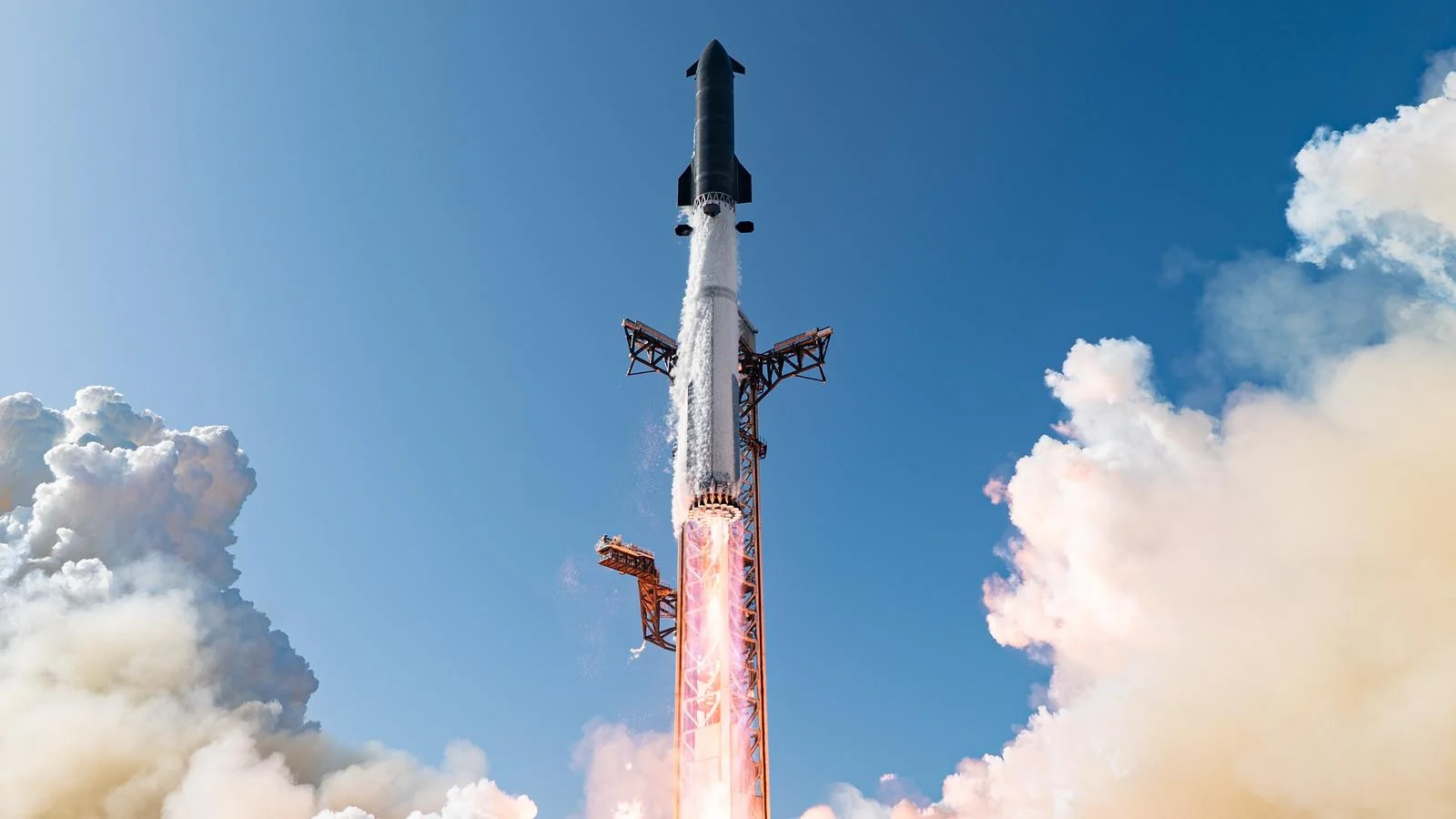
SpaceX is making serious preparations for the 14th test flight of its massive Starship spacecraft, which is expected to be a turning point in its history. Pending approval from the relevant regulatory authorities, the historic Flight 14 mission is scheduled for September 22, 2026. This flight is expected to open a new chapter not only for the company but for the entire global astronautics industry, as it will be the first time the ship reaches a full orbital trajectory. This was reported by Ixbt.com news outlet.
It is reported that all tests conducted so far have been performed along suborbital trajectories to test new technologies step-by-step and minimize risks. The upcoming flight will take place in a completely different format. Starship will reach an orbit of approximately 275 kilometers, perform six full revolutions around the Earth, and spend nearly 10 hours in open space.
Orbital program and Starlink V3 satellite launch
Once the orbital program is successfully completed, the ship will perform a deorbit burn and enter the Earth's atmosphere. After that, a controlled splashdown in the Pacific Ocean west of Chile is planned. Before this risky maneuver, specialists must strictly verify the functionality of all critical systems and ensure there is sufficient fuel reserve for the ship's safe return.Another main task of the mission is to launch the new generation Starlink V3 satellites into orbit for the first time. Starship is expected to deliver 26 such large units into space at once. According to the company, each new generation satellite has the capacity to increase network throughput by up to 1 Tbit/s. The total capacity of this single flight will be 26 Tbit/s — about ten times more than the Starlink V2 Mini units launched via the Falcon 9 rocket.
After being deployed into space, the devices will independently unfold their solar panels and antennas to establish radio and laser links with ground infrastructure and other apparatuses. Subsequently, they will use their built-in thrusters to climb to their required operational orbits. If the systems pass the tests successfully, they could begin serving users within a few weeks.
Technical changes to the ship and Super Heavy booster
Engineers have also significantly improved the ship itself for the Flight 14 mission. In particular, the mounting of the thermal protection tiles has been reinforced, and the weakest points where plasma could penetrate the coating have been redesigned. Notably, for the first time, two tiles removed from the previously flown Ship 40 were installed on this unit. This serves as the first practical test of reusing Starship thermal protection elements.However, the Super Heavy booster will not be caught by the Mechazilla tower's mechanical arms this time. After stage separation, it will perform a flip and burn to land under control in the water. This cautious decision is explained by issues encountered in the previous flight, including the premature shutdown of three central engines due to signs of icing and the fact that only eight out of thirteen engines worked during the landing maneuver. To ensure safety, SpaceX has modified the fuel filtration system and updated the software that restarts the engines.
If the Flight 14 tests yield the desired results, the next step for SpaceX will be an even greater historic attempt — the company aims to catch the returning Starship ship in mid-air using the mechanical mechanisms of the Mechazilla tower for the first time during its 15th flight.


Comments 0
…