


Political upheaval in Nepal: former prime minister arrested
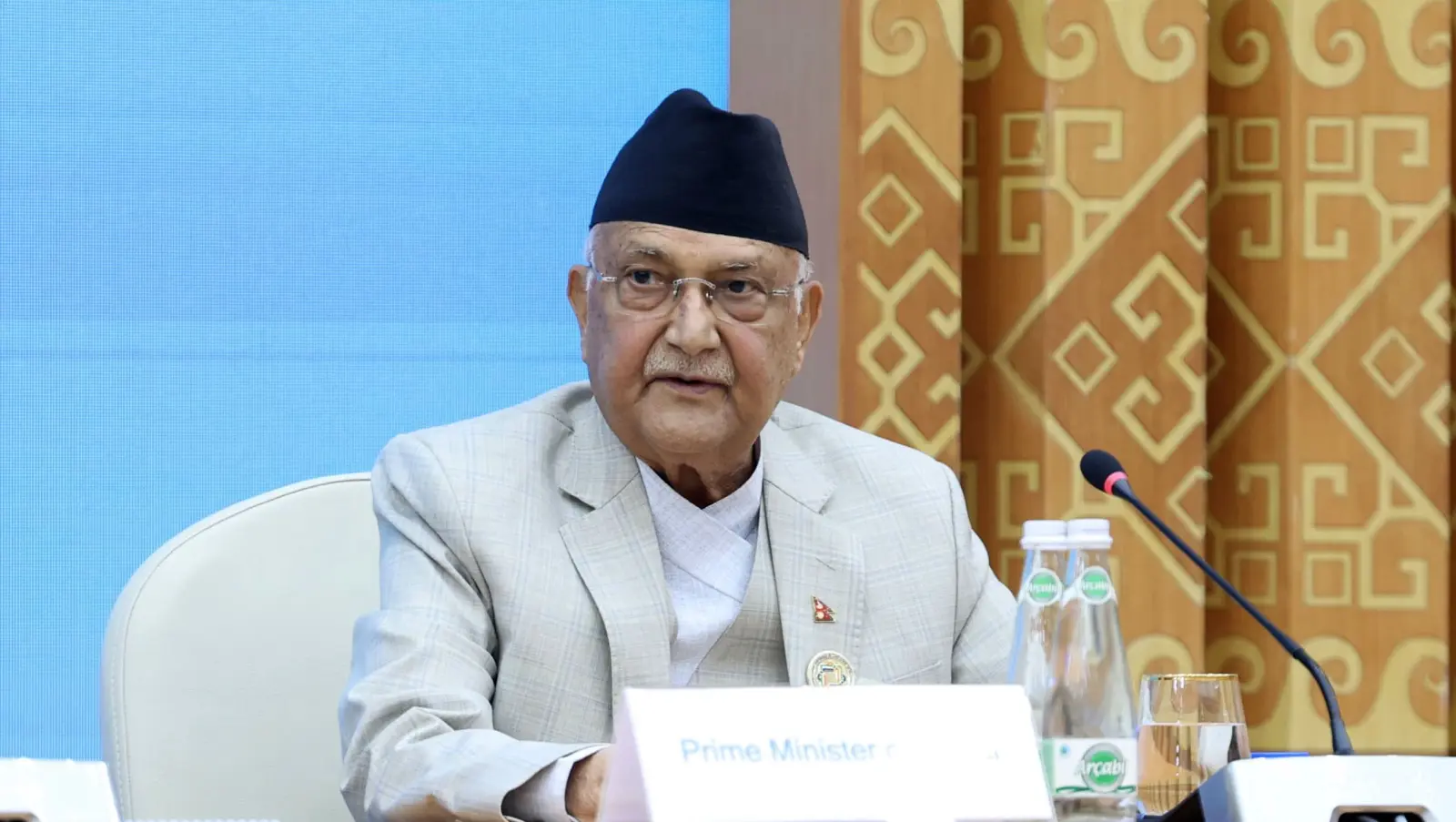
Amid global political developments, a tense situation has emerged in Nepal. The country’s former prime minister, Sharma Oli, has been arrested by law enforcement authorities on suspicion of involvement in the brutal suppression of mass protests. This event is drawing attention not only from the Nepali public but also from the international community.
It has been reported that the mass demonstrations held in 2025, known as the “Gen Z protests,” became one of the most intense protest movements in the country’s history. Restrictions imposed on social media, anti-corruption sentiments, and difficult economic conditions further intensified these protests.
During the unrest that escalated in September, more than 70 people were killed. Most tragically, a significant portion of the victims were reportedly shot by police. This situation sparked sharp criticism and public outrage.
Along with the former prime minister, the country’s former interior minister Ramesh Lekhak was also detained. Law enforcement agencies emphasize that investigative actions in this case will continue in accordance with the law.
Notably, one day before these events, Nepal’s new prime minister — 35-year-old rapper Balen Shah — officially took the oath of office. This signals the beginning of a new phase in the country’s political life.
According to a police representative, as cited by Agence France-Presse, “they were arrested this morning, and all procedures will continue in accordance with current legislation.”
At the same time, Sharma Oli completely denies the accusations against him. His lawyers stated to Reuters that the arrest of their client at this stage of the investigation is unfounded.
Nepal’s new interior minister Sudan Gurung, for his part, supported the arrests, calling them an important step toward justice. On his Instagram page, he wrote: “No one is above the law… This is not revenge against anyone, but the beginning of justice.”
Overall, the events unfolding in Nepal indicate that the political climate in the country may become even more tense. The subsequent developments could affect not only domestic politics but also regional stability.



Comments 0
…