


Record-breaking long-term internet shutdown ends in Iran
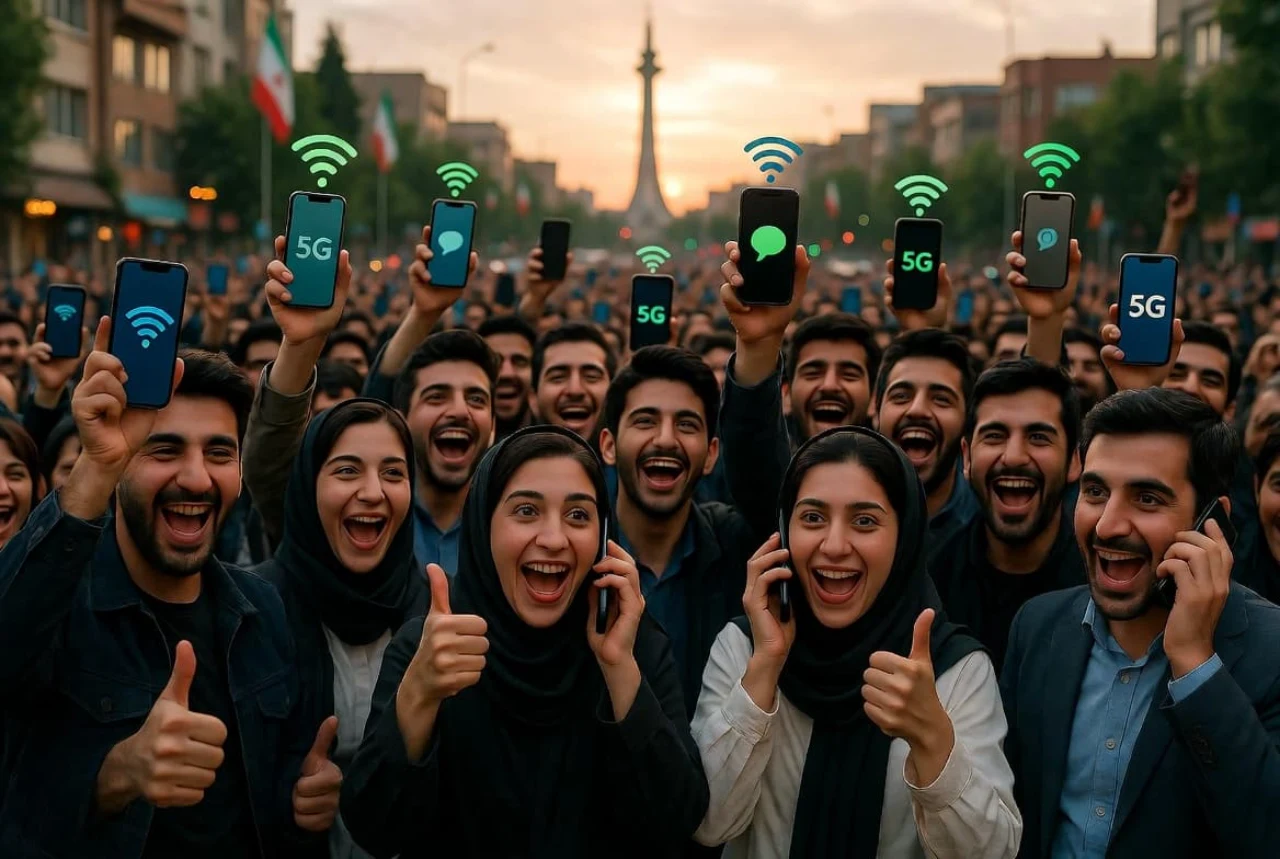
An unprecedented and truly ominous event in human history and the modern digital world has come to an end. According to an official statement by NetBlocks, an influential international monitoring organization tracking global network issues, social media and internet systems were partially restored across Iran on May 26.
The people of Iran remained completely cut off from the outside world, trapped in digital darkness for exactly 88 days—2,093 hours. Analysts consider this the longest and largest national 'shutdown' in modern history. In this article, we analyze the underlying political factors, the devastating economic costs amidst the shadow of war, and the painful testimonies of Iranians who were left in shock after the network returned.
Political complexity and economic collapse
The digital blackout in Iran began on January 8, against the backdrop of large-scale mass protests against government policy. After a few weeks, connectivity seemed to improve slightly, but after the US and Israel launched direct military strikes on Iranian territory on February 28, the official Tehran government locked down the internet entirely under the guise of security.
The factor that forced the government to retreat from this decision and restore connectivity, even partially, is the economic crisis caused by the war:
Daily loss: According to an April report by Afshin Kolahi, a representative of the Iran Chamber of Commerce, the country's economy lost $70-80 million per day due to the lack of internet.
Unemployment risk: Minister of Communications Sattar Hashemi noted that out of the country's 90 million population, nearly 10 million relied on the internet for their daily income and profession.
During the blackout, online commerce on social media completely collapsed. It was impossible to find Starlink satellite devices for network access, and the price of simple VPN programs skyrocketed to unimaginable levels. Worst of all, using them carried the threat of imprisonment.
Diverse reactions of Iranians: Freedom or new pain?
The population greeted the partial return of the network (some popular messengers and sites remain blocked) with mixed emotions. Some see it as an escape from long-term captivity.
Voices reflected in the international press:
A sense of freedom (Tehran artist, The Guardian): “I lit a cigarette, turned on my favorite music. My husband Ali and I couldn't hold back our tears and started crying. We convinced ourselves that this was the feeling of true freedom that comes after a regime falls...”
Pain and anger (Tehran photographer): “It's ridiculous that Western media is portraying this as some kind of government achievement. The internet is our basic right! Because of the shutdown, I didn't work for 6 weeks, I fell into debt. Even now, mobile connectivity isn't working properly.”.
The tragedy of bloggers (Isfahan gamer, AP): “I completely lost my audience on YouTube and Instagram. Many of my colleagues had to sell their equipment and computers to make a living and moved to other fields.”.
“It wasn't our freedom that returned to the network, but our sorrows”
The greatest mental blow and shock occurred when, as soon as the internet was turned on, people saw videos and photos of the horrific destruction during the war, cities left in ruins, and the funerals of hundreds of their fellow citizens for the first time.
A bitter confession from a Tehran teacher to The Guardian: “My social media is overflowing with mourning videos: mothers screaming, children lying on their parents' graves. My heart is broken. Neither the US, nor Israel, nor the government won this war—we are the main losers. We lost our youth, our livelihood, and our faith in the world. It wasn't our freedom that returned to the network, but our sorrows.”
What is expected in the future?
Unfortunately, the Iranian leadership, which has become more radicalized following military clashes with the US and Israel, does not intend to abandon virtual restrictions in the future. International political observers believe that Tehran officials are considering abandoning national shutdowns in favor of implementing a system of total digital control and strict filtering based on the Chinese model.
Continue to follow the situation in the world's most complex and troubled regions with us, dear readers. Stay tuned!



Comments 0
…