


End of the 3.5-Month War in the Near East: Who Achieved Their Goals and Who Was Defeated?
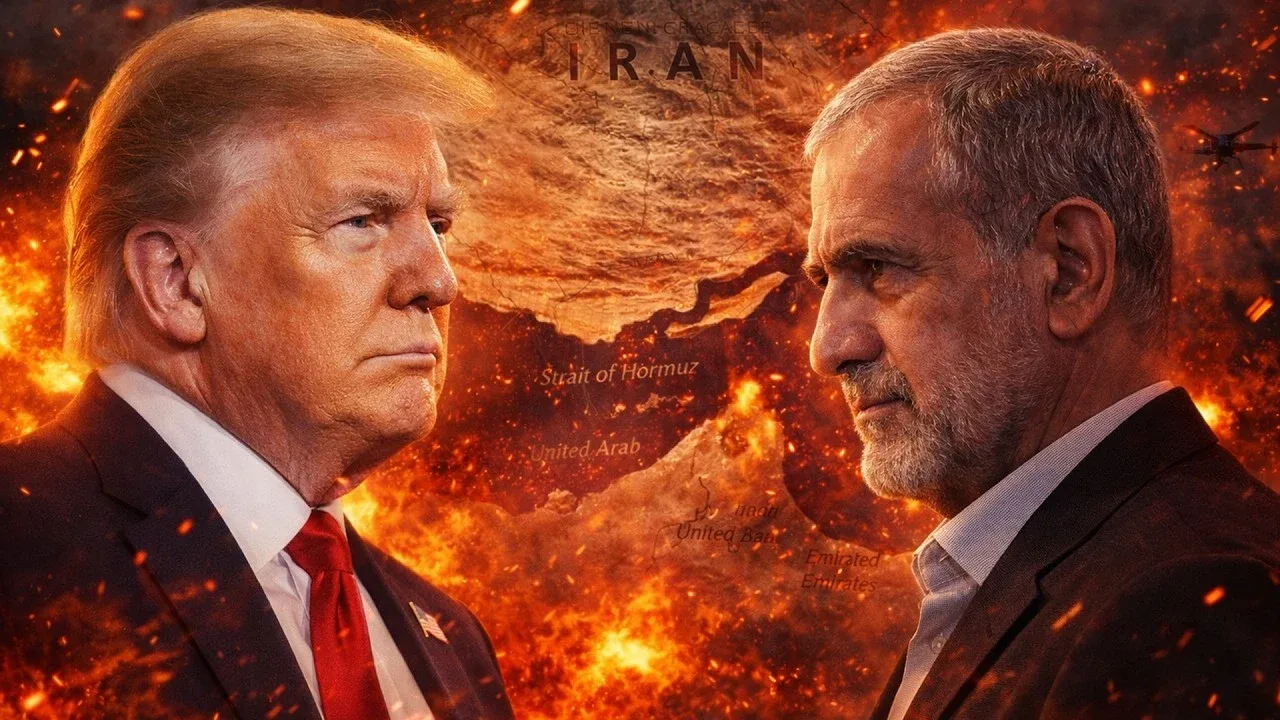
Intense military actions that lasted three and a half months in the Near East have finally ceased with the signing of a special memorandum. Today, most international analysts and observers are heatedly discussing the outcomes of the war. According to the main conclusions, the US and Israel were unable to fully achieve their strategic goals, while Iran, despite suffering serious losses, maintained its position on many fronts.
Why did the plans of the US and Israel fail?
Washington and Tel Aviv aimed for several major goals through this war. The first and most primary task was to weaken the existing political system in Iran, achieve a change of power by strengthening internal discontent, and establish a government aligned with Western interests. Some experts compare this plan to the Venezuela scenario, but this model did not work in Iran. The country preserved its sovereignty.
The second important goal was related to gaining control over the global oil market and global fuel prices. In this direction as well, the allies did not achieve the expected result. The next pressing issue is the situation around the Strait of Hormuz, where the issue of control over strategic transport corridors is prompting other states to protect their interests more actively.
Donald Trump's "victory" and the issue of the nuclear program
Nevertheless, it would be wrong to say that the US emerged from the war completely empty-handed. Before the war began, Washington had set the limitation of Iran's nuclear program as a primary demand during negotiations in Muscat. Clause 10 of the signed memorandum strictly stipulates that Iran's nuclear activities will be under the supervision of the IAEA (International Atomic Energy Agency).
At the same time, US President Donald Trump has issued a statement saying "Iran will never have nuclear weapons again," presenting this as his great success. It is clear that Trump will use this result as his strongest argument in domestic politics ahead of the midterm elections in November.
In reality, Tehran has maintained that it has not sought to create nuclear weapons. Even the country's supreme leader, Ali Khamenei, issued a fatwa stating that possessing nuclear weapons is contrary to Islamic Sharia and forbidden. Although Iran's enrichment of uranium up to 60 percent caused debate in the international community, Tehran explains this by the needs of medicine, scientific research, and atomic energy.
Iran's losses and its pragmatic decision
The war was very hard and painful for Iran. More than 20,000 military strikes were carried out on the country's territory, causing terrible damage to infrastructure, the economy, and the social sector. The consequences of this destruction will be felt for years to come.
Most tragically, the Iranian leadership lost high-ranking military and political officials, as well as their family members. Despite this, Tehran chose the path of compromise—signing the memorandum—rather than further escalating the war. This was a pragmatic and wise decision aimed at preserving the interests of the people and the economy of a country that has lived under sanctions for many years.
The 300 billion dollar question
One of the most interesting aspects of the signed document is the clause stating that the US and its allies will allocate 300 billion dollars in aid funds to restore the Iranian economy. However, it remains unknown who will provide this huge amount, through what mechanisms, and in what form. Therefore, only time will tell if this clause moves from paper to practice.



Comments 0
…